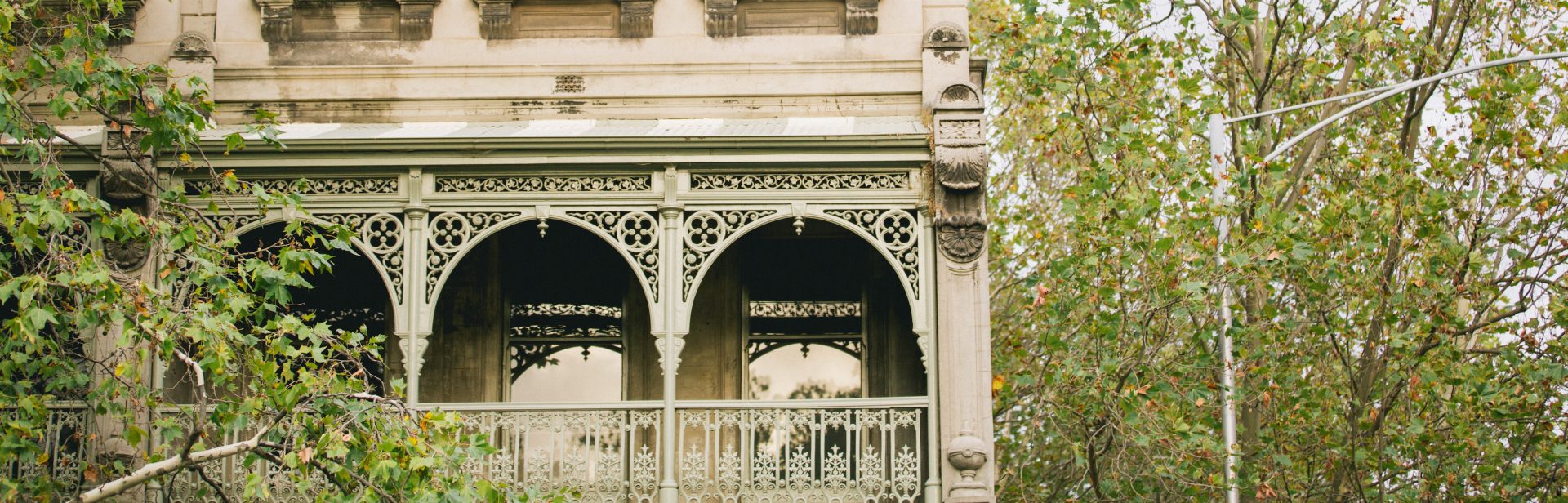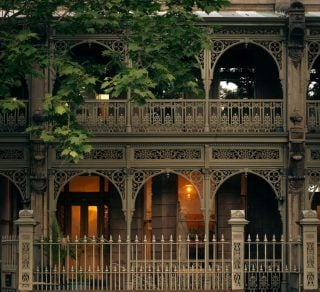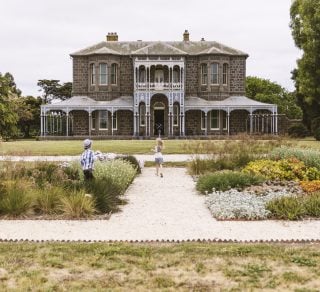
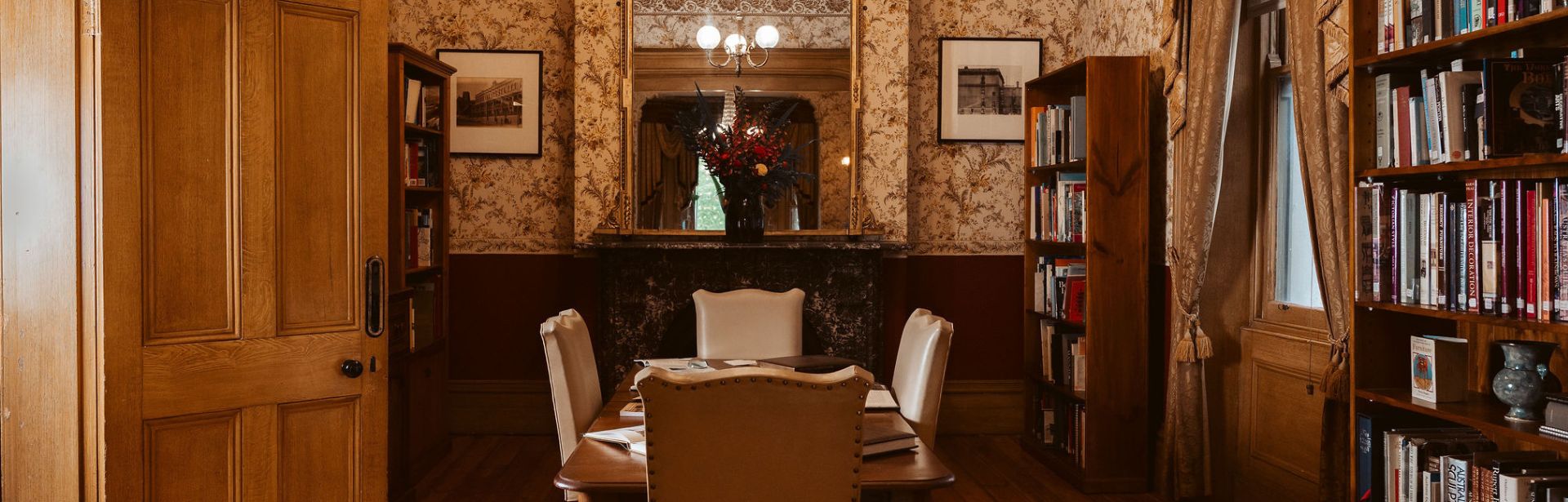
Once a series of lodging houses, Tasma Terrace stands today as a powerful symbol of grass-roots heritage advocacy. Saved from demolition in 1970, it has been reimagined as a creative and dynamic space for installations, shopping, and learning.
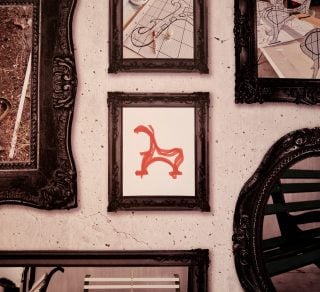
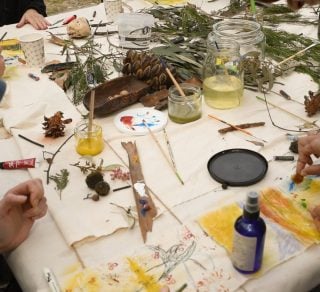
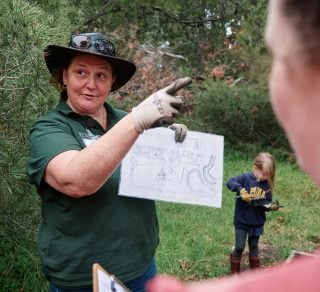
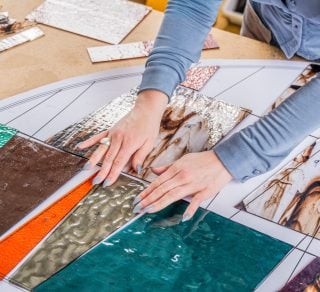
Today, Tasma Terrace has entered its new chapter as a space for exhibitions, retail, and cultural experiences. With a heritage resource library, curated retail offering, rolling exhibitions, and a program of talks and workshops, Tasma Terrace invites the community to engage with heritage through diverse forms of expression — blending conservation, collaboration, curiosity, and celebration.
What’s on
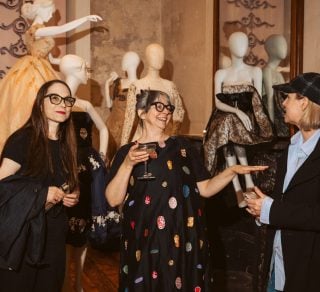
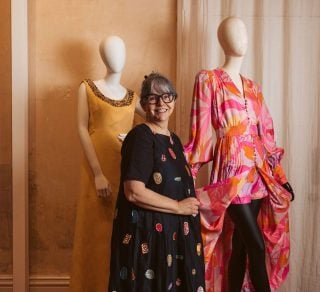
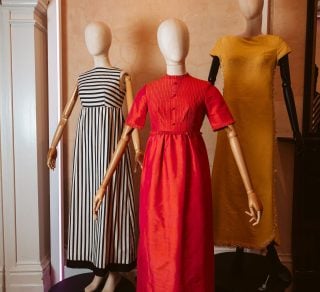
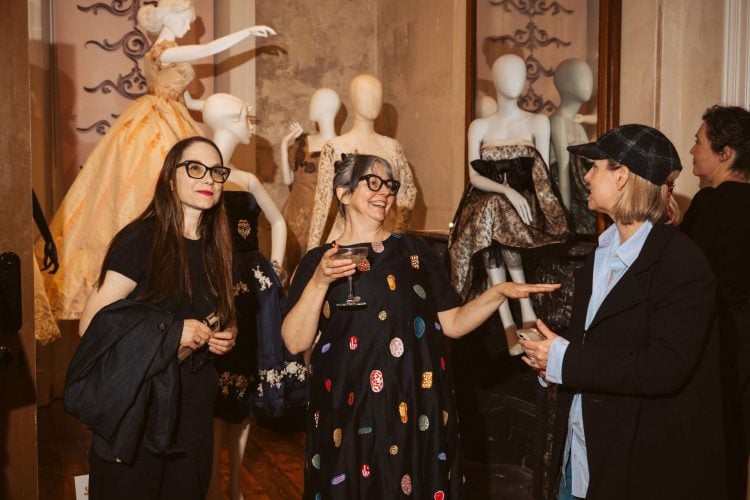
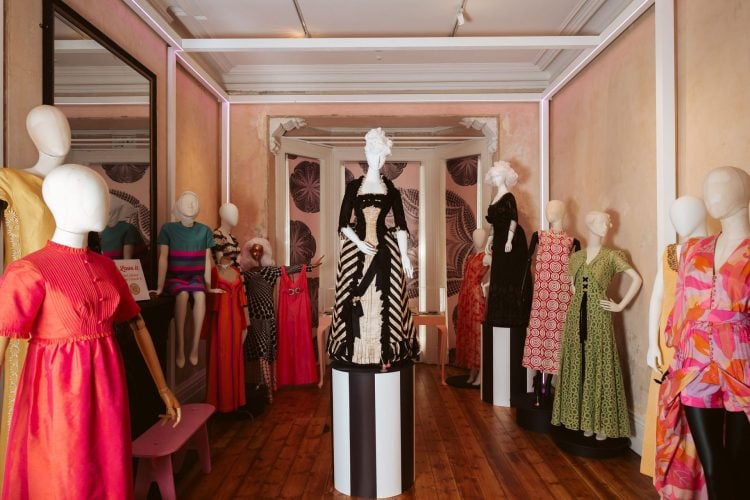
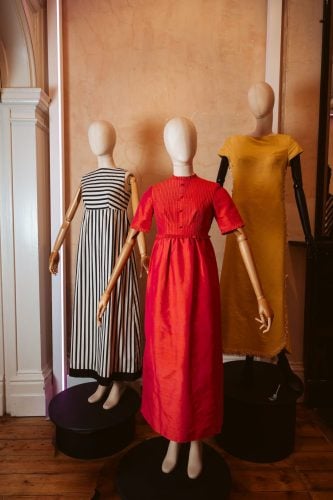
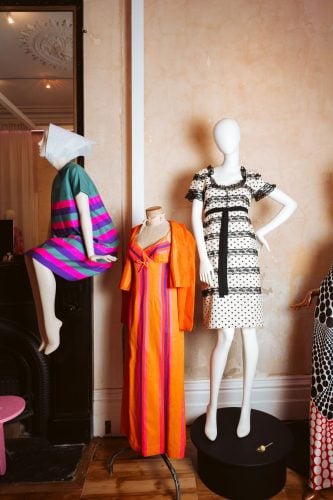
Exhibition: reFashion/transForm | 8 May – 25 July 2026 | Thursday to Saturday, 10am – 4pm
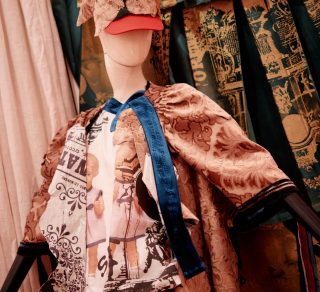
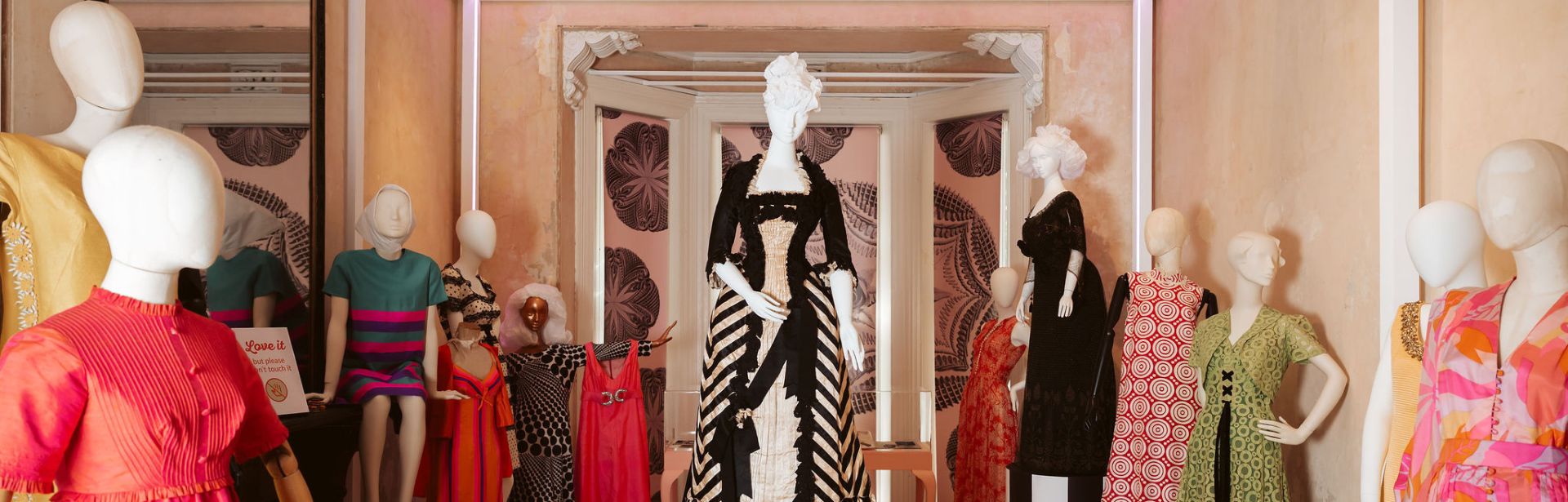
reFashion/transForm investigates the possibilities that emerge when waste is reimagined as resource, casting discarded materials into new forms and meanings.
Against the backdrop of pervasive garment waste, the free exhibition foregrounds practices of transformation, adaptation, and reuse within both historical and contemporary contexts.
A Rich Seam – Exploring Historical Refashioning from the NTAV Collection | Thursday 9 July 2026, 6.30pm – 8pm
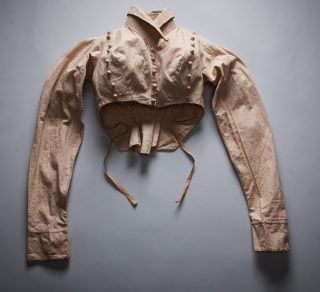
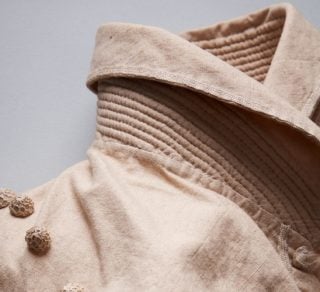
Join Dr Lorinda Cramer for an up-close look at selected pieces from the NTAV collection.
Presented together with the Trust’s Curator, these fashion experts will show you the hidden richness and knowledge found within refashioned garments. This slow approach to seeing will explore sustainability, circularity and strategies of reuse. How were clothes updated, reconstructed, refreshed and updated?
Meet the Makers Refashioners | Saturday, 27 June 2026, 10.30am – 12pm
Join Dr Lorinda Cramer, Design Studio S!X – Denise Sprynskyj and Peter Boyd and fashion sustainability advocate Leeyong Soo with Curator Elizabeth Anya-Petrivna as they discuss how garments once deemed waste are redesigned and reconfigured.
Meet the Makers – Transformers | Saturday, 27 June 2026, 1pm – 2.30pm
Meet mending artist Erin Lewis-Fitzgerald, Designer Valerie Miller and Designer Jake Nakashima-Edwards with Curator Elizabeth Anya-Petrivna as they discuss how garments once deemed waste are redesigned and reconfigured.
Sign up to be the first to hear about upcoming announcements and events.
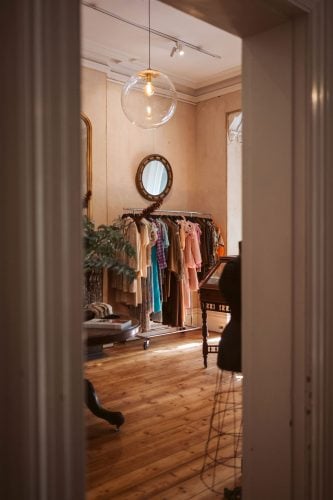
National Trust Shop
Open Thursday to Saturday, 10am – 4pm
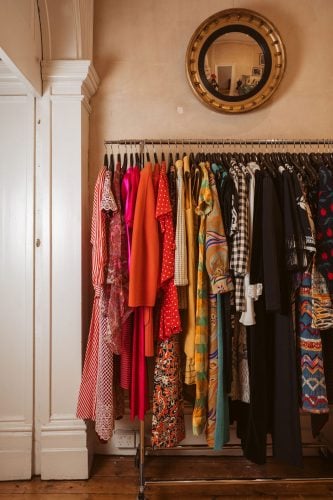
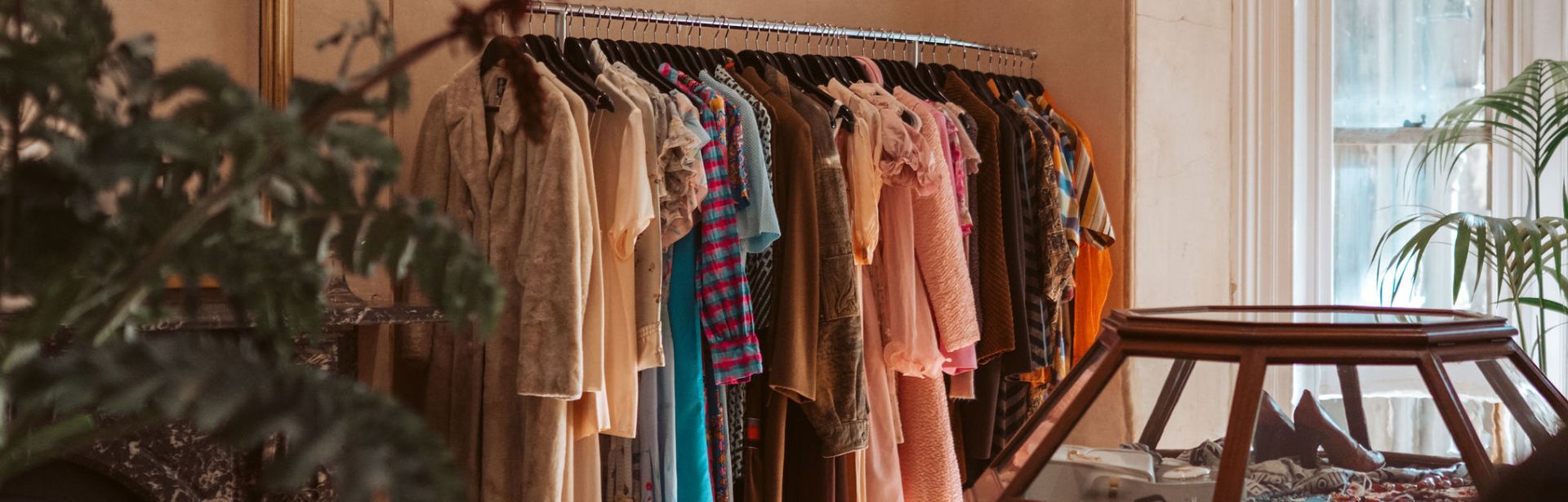
A curated vintage retail boutique featuring high-quality vintage clothing, accessories, collectables, giftware, books on heritage places, and National Trust merchandise.
History of Tasma Terrace
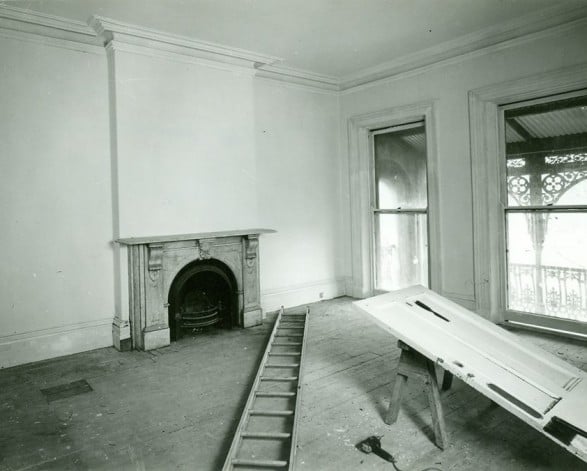
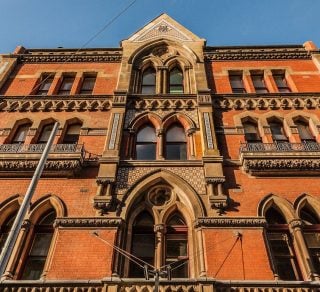
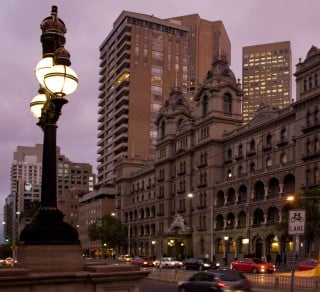
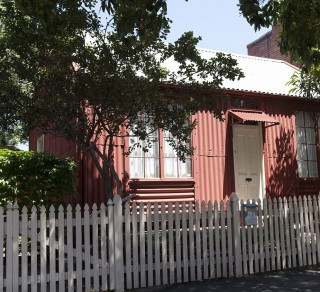
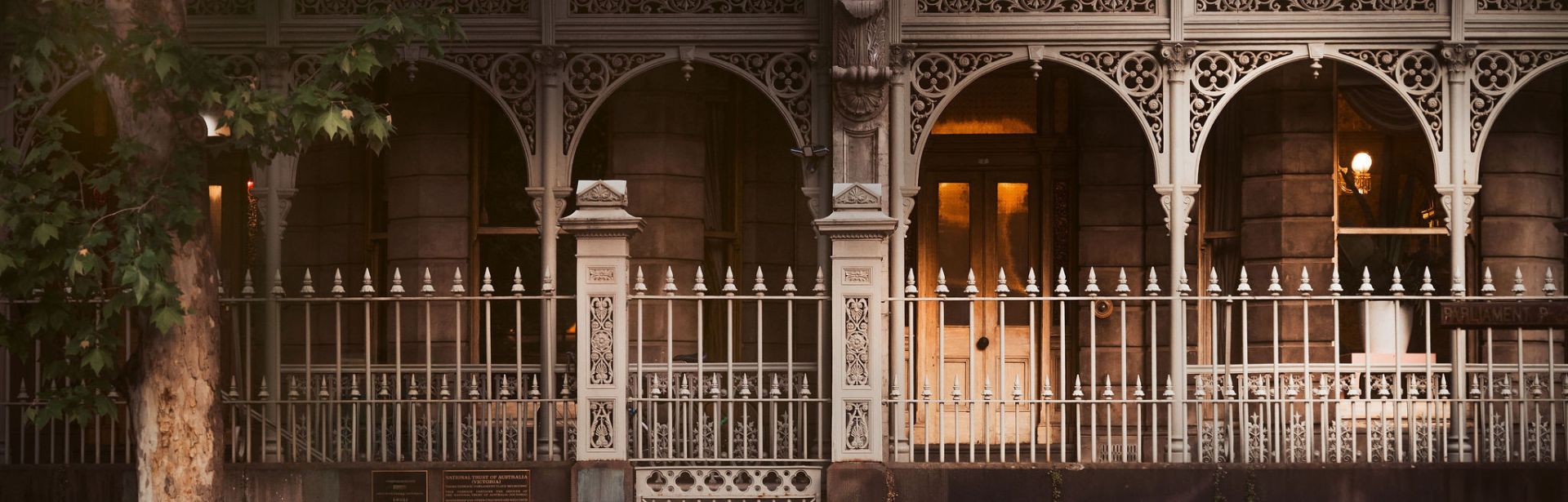
Tasma Terrace began life as a row of elegant lodging houses, each operating as an independent business. Built in two stages between 1879 and 1887, the first three terraces were financed by wealthy grain merchant and shipowner George Nipper as both a business venture and a home for his family. Designed by renowned architect Charles Webb—whose work also includes the Alfred Hospital and the Grand Hotel (now the Windsor)—the seven terraces offered stylish accommodation for visitors to the city.
More than temporary lodgings, the terraces also became home to long-term residents, including many unmarried women in professional occupations such as nursing and teaching, who valued the opportunity to live independently in respectable comfort.
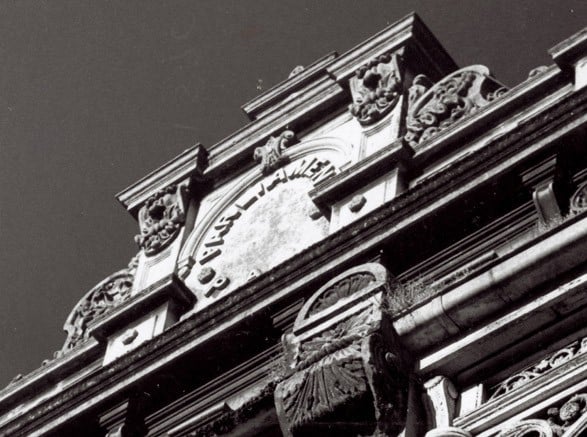
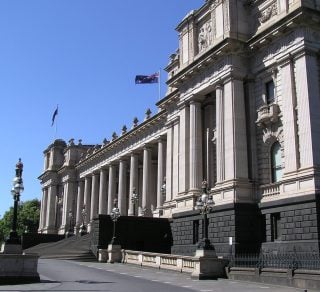
By the 1970s, the terraces were under threat of demolition to make way for high-rise towers. Their survival is owed to the determined advocacy of the National Trust and community supporters, who fought successfully to preserve them.