This election, the National Trust is asking every political party to commit to practical policies that protect the places people love while helping deliver housing, climate action and thriving communities.

For too long, the conversation has framed heritage protection and growth as competing priorities. This is a false choice. When considered early in the planning process, heritage contributes to well-designed growth, stronger communities and better place-making.

Heritage is not an obstacle to development or economic growth—it is an important contributor to both. A strong heritage sector creates skilled jobs, stimulates investment, attracts tourism, encourages adaptive reuse and delivers more sustainable outcomes than demolition and replacement. Investing in heritage protection and recognising cultural heritage as a strategic asset will strengthen Victoria’s economy while enhancing the liveability, character and resilience of our towns and cities.

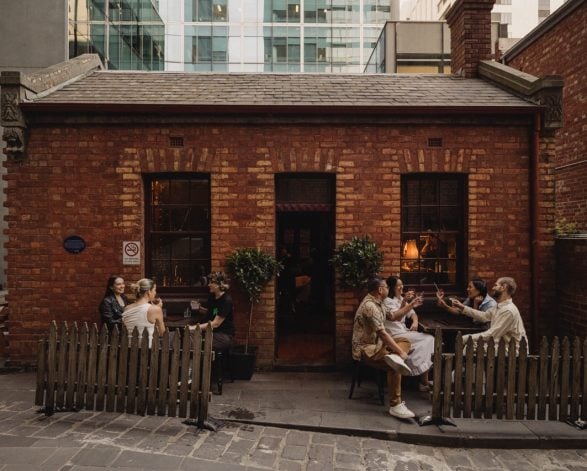
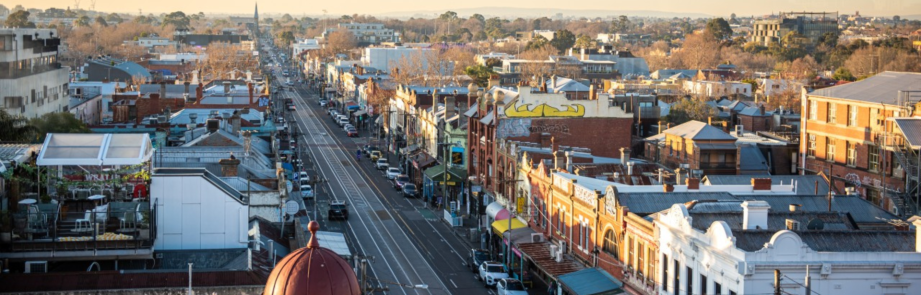
Retrofitting and adaptive reuse of the buildings we already have is one of the smartest tools for tackling both the housing and climate crisis. Thoughtful development also means keeping the things that make neighbourhoods  vibrant places to live. The corner pub that’s been the meeting place for generations. The shopping strip that is bustling and serves local communities what they need. The tree that offers shade at the bus stop. Buildings, streets and landscapes that shape a place’s identity and foster a sense of belonging for the people who live there, anchor themselves to Victoria. When we retain these elements alongside new development, we create communities that are more sustainable, more distinctive, and more connected to their past while meeting the needs of the future.

What makes Victoria such a remarkable place to live is the richness and diversity of our communities, landscapes and culture, underpinned by our heritage. By embracing Country, First Nations culture and heritage, we bring greater richness, identity and vibrancy to the places we live. Good housing and development should respond to this context, reflecting the character, values, and stories of the communities they serve.

The challenge is not whether we build, but how we build with the goal of creating new homes while preserving the heritage, identity, landscapes and character that make our towns and cities distinctive places to live.
Call to action section

Victoria Votes in 2026.

Help us make heritage matter this election. Contact your local candidates and ask them to support National Trust Victoria's two election priorities.

Read our full election platform

The Opportunity

Investing in heritage is not simply about preserving the past. It is an opportunity to address some of Victoria’s most pressing challenges – from housing affordability and climate resilience to economic productivity and community wellbeing. A stronger heritage system can help deliver the outcomes all Victorians are seeking.

Related content section

MORE SUSTAINABLE HOUSING

Heritage-led retrofit and adaptive reuse should be a central component of Victoria's housing and climate strategy. The built environment is the world's single largest contributor to greenhouse gas emissions, consuming around 33% of our water and generating 40% of our waste. There is a clear solution though, and it does not cost jobs, threaten the construction economy, or reduce Victoria's housing supply.

The greenest building is the one that already exists.

Refurbishing an existing building produces around 36% less carbon than demolition and rebuild, and well-retrofitted heritage buildings can outperform energy efficiency in new buildings over their lifecycle. Research also shows that retrofitting heritage buildings reduces operating costs, improves returns on investment, and increases asset values.

STRONGER LOCAL ECONOMIES

Heritage is also a major contributor to the Victorian economy. In 2021–22, works undertaken through heritage permits and exemptions totalled approximately $1.248 billion. While heritage refurbishment projects are known to direct a greater share of investment into local wages and specialist trades than new construction. Research indicates every $1 million invested in building retrofits creates an average of 18 jobs.

Additionally, as evidenced by projects such as the Victorian Goldfields World Heritage Bid, heritage places are among Victoria's most significant tourism assets, drawing visitors into metropolitan and regional areas where they support accommodation providers, cafés, retailers and other local attractions.

COMMUNITY WELLBEING

Investment in publicly accessible heritage places delivers preventative health and wellbeing benefits while strengthening community pride, social connection, and liveability. International research identifies more than 180 wellbeing indicators associated with heritage engagement, including improved mental wellbeing, volunteering, social inclusion, and stronger place attachment.

While poorly maintained buildings, precincts, and neighbourhoods negatively affect wellbeing and economic activity, heritage-led regeneration is a recognised tool for renewing community industries, neighbourhoods and delivering long-term economic, social and environmental benefits.

What we're asking for this election

The National Trust is calling on all political parties and candidates to commit to two practical actions that will unlock the full economic, environmental and community value of Victoria's heritage.

We are seeking commitments to: 

  • establish a dedicated Heritage Department to provide strategic leadership for heritage policy, planning and investment;
  • invest in the conservation, activation and ongoing operation of publicly accessible heritage places as essential community infrastructure; and 
  • invest in the National Trust Victoria, with a multi-year partnership to ensure excellence in heritage conservation, community engagement, and advocacy across metropolitan and regional Victoria, ensuring that significant places drive visitation, education and community participation.

1. A Dedicated Heritage Department

Victoria needs a government department responsible for coordinating heritage policy, investment and planning. A dedicated Heritage Department would provide expert advice on state and local planning policy, and reinstate the heritage funding programs that have lapsed in recent years.

There is currently no state government entity providing dedicated policy and investment coordination across Victoria’s local and state heritage sector. Decades of funding cuts have restricted the capacity and remit of Heritage Victoria to administering statutory protections for places of State significance, where even funding for conservation of places on the Victorian Heritage Register through the Living Heritage Program has now been discontinued. There’s no coordinated policy voice or investment strategy for the broader heritage sector, and no one being consulted to ensure heritage is properly considered as planning reforms roll out.

A dedicated Heritage Department would provide the strategic leadership needed to maximise the economic, social and environmental value of Victoria’s heritage by:

  • integrating heritage expertise into state and local planning policy; 
  • supporting innovative adaptive reuse of existing buildings to deliver more sustainable housing outcomes; 
  • reinstating heritage grants that encourage conservation, retrofit and investment in heritage places; and 
  • strengthening programs that protect and expand green space and tree canopy across both public and private land. 

2. Invest in Victoria's heritage custodians

Research consistently links heritage engagement and historic environments with improved wellbeing, sense of place, civic participation and social cohesion. Across Victoria, community organisations, volunteers, local governments and not-for-profit heritage custodians care for the places that tell our state’s story. They maintain historic buildings, conserve cultural landscapes, deliver education programs, coordinate festivals and events, and create opportunities for people to connect with the places that shape their communities. 

The National Trust supports good custodianship through leading by example in the management of our own places and helping others to do the same through initiatives like the Australian Heritage Festival and our external restoration appeals program. Together with many other organisations and volunteers, these efforts ensure heritage remains accessible, relevant and celebrated for all Victorians. 

Like libraries, parks and sporting facilities, heritage places require ongoing investment to remain open, well maintained and accessible. Supporting the custodians and volunteers who care for these places is an investment in Victoria’s identity, liveability and future prosperity.

Heritage is about creating places people want to live in for generations to come. The decisions made after this election will shape Victoria for decades. Heritage should be part of that future. 

Call to action section

Help put heritage on the election agenda.

1. Contact your local candidates – Ask them to support National Trust Victoria’s two election priorities.
2. Tell them heritage matters to your vote – Candidates need to hear directly from the people they hope to represent.
3. Share the campaign – Encourage your friends, family and community to speak up for Victoria’s heritage too.

It only takes a few minutes to make your voice heard.

Download our email template