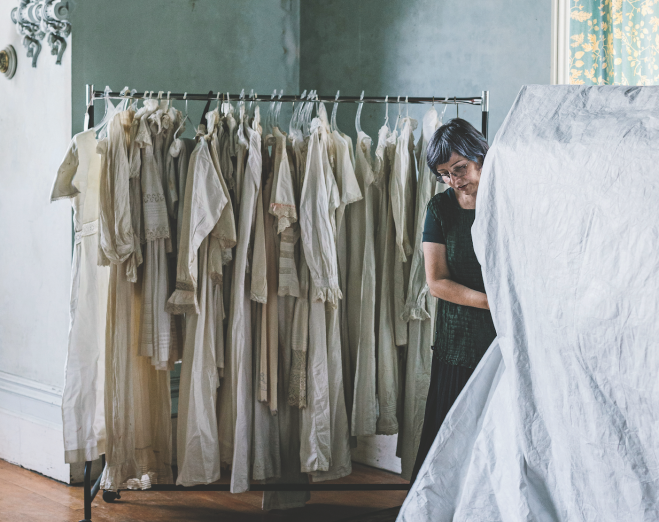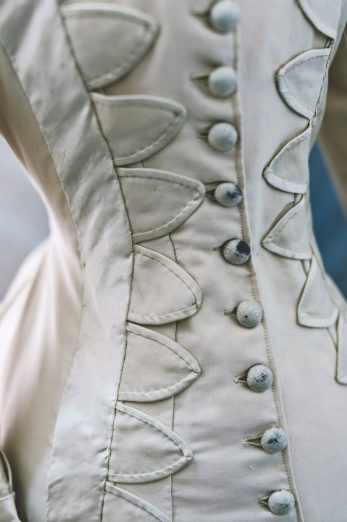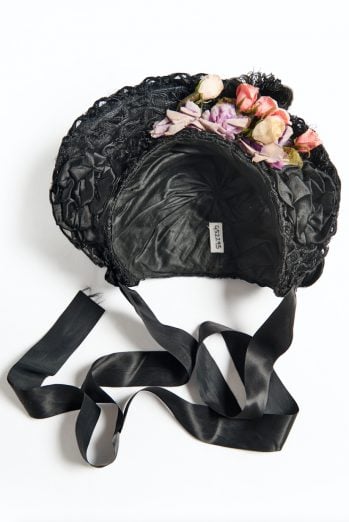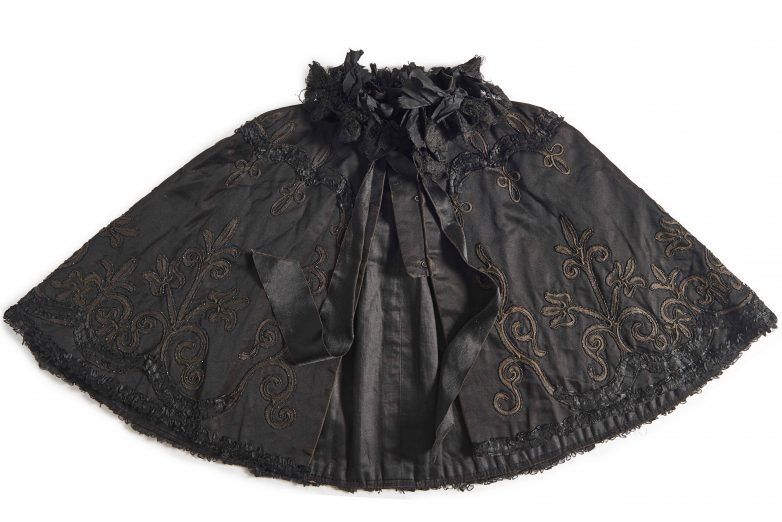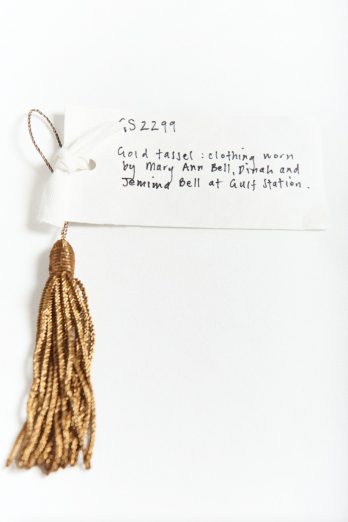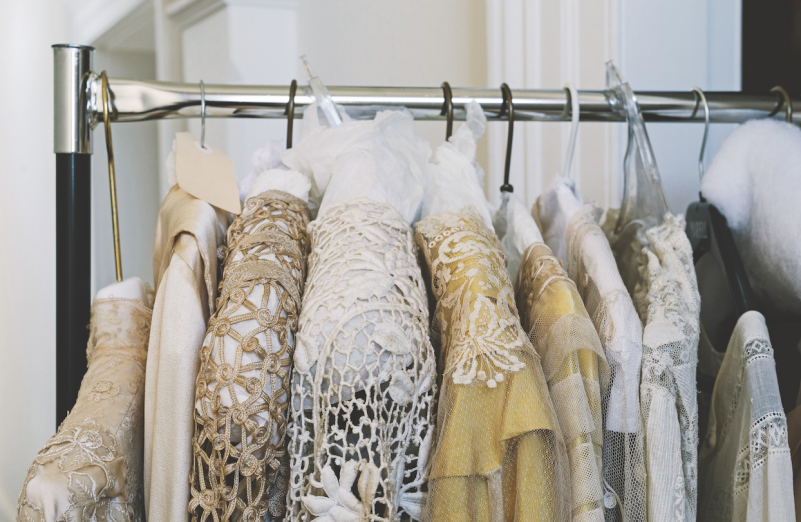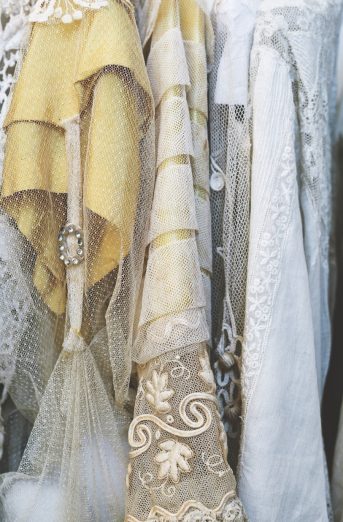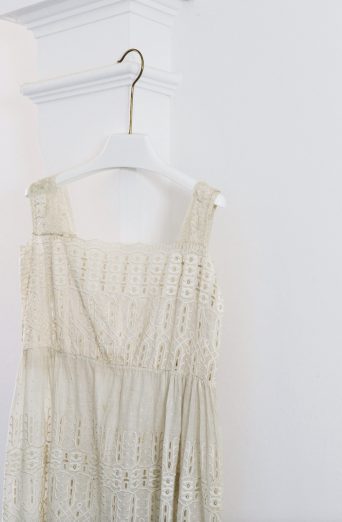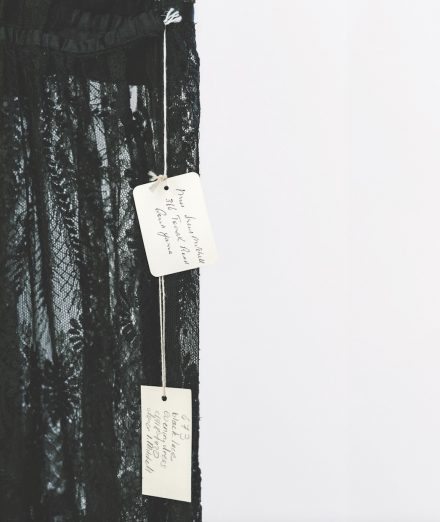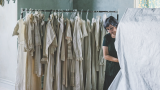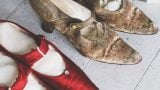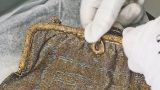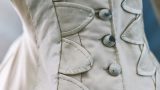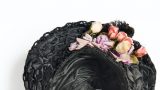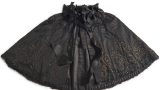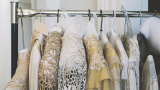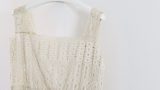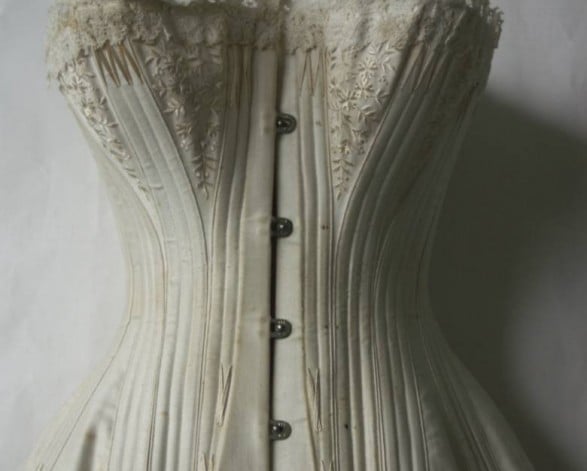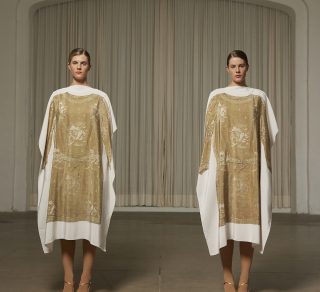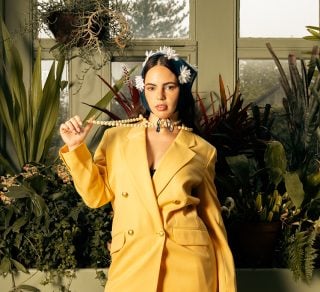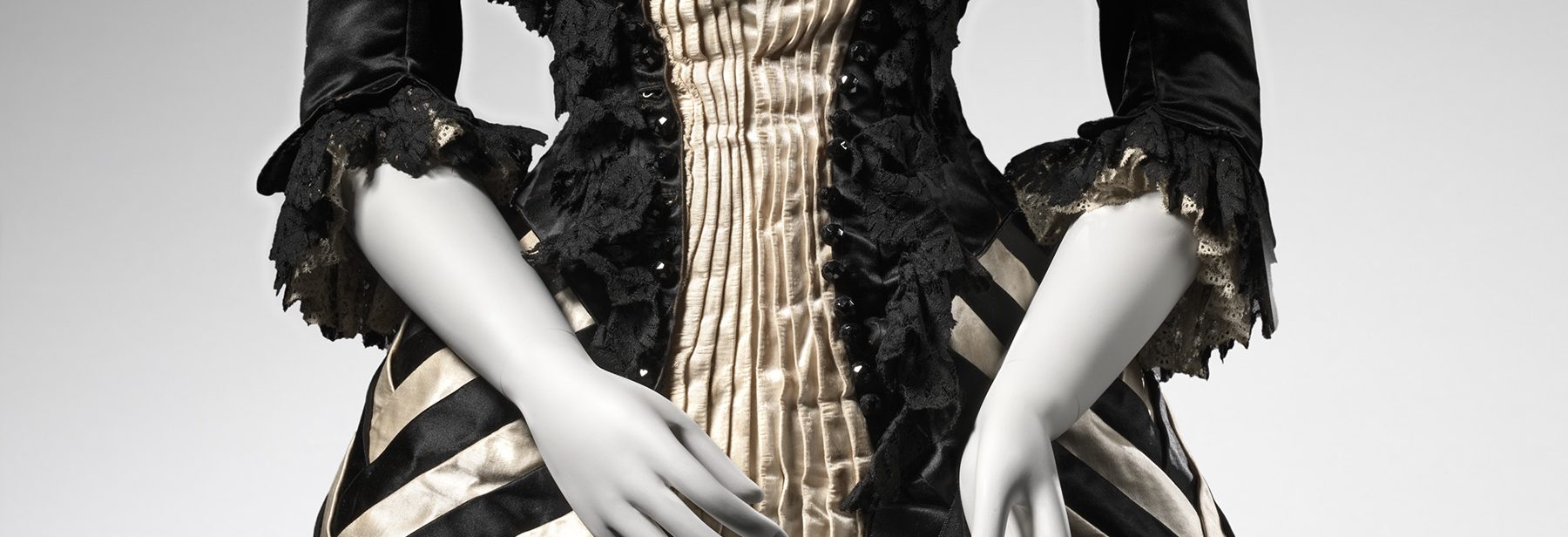
More than a record of high fashion, the collection is valued for its breadth, intimacy and strong local provenance. It captures both the everyday and the extraordinary, revealing how clothing shaped identity, status and self-expression across generations.
Spanning primarily from 1850 to 1970, the collection traces how Victorians lived, worked, celebrated and mourned. Through dress, it connects personal stories with broader histories of migration, trade, industry, gender, class and taste, and continues to inform contemporary design practice in Victoria today.
History of the Collection
The National Trust (Victoria) began collecting costume in the early 1960s, at a time when fashion was rarely recognised as heritage. In 1961, the Trust’s very first Moveable Acquisition was a group of 1850s day dresses, establishing fashion and dress as a foundational collecting area for the organisation.
Every item in the collection has been acquired through donation or bequest. While no formal collecting policy existed in the early years, this community-led approach resulted in a rich and cohesive body of material reflecting what Melbourne families owned, wore and valued. Today, this organic growth is recognised as one of the collection’s greatest strengths.
By valuing everyday garments alongside grand ball gowns, the National Trust took a pioneering role nationally in preserving fashion as cultural heritage.
What the Collection Contains
The Fashion and Dress Collection is distinguished by its strong Victorian provenance and focus on locally made and worn clothing. It includes:
- Women’s, men’s and children’s clothing
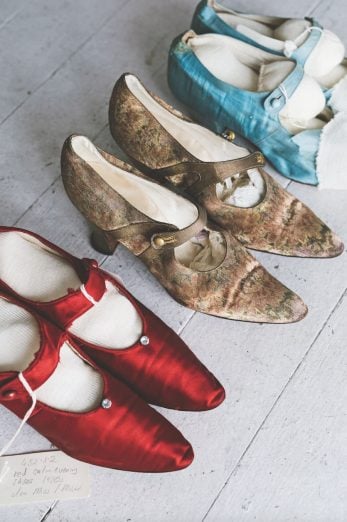
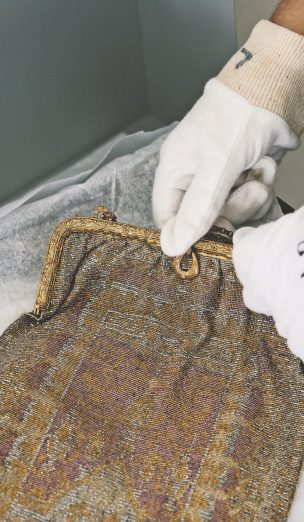
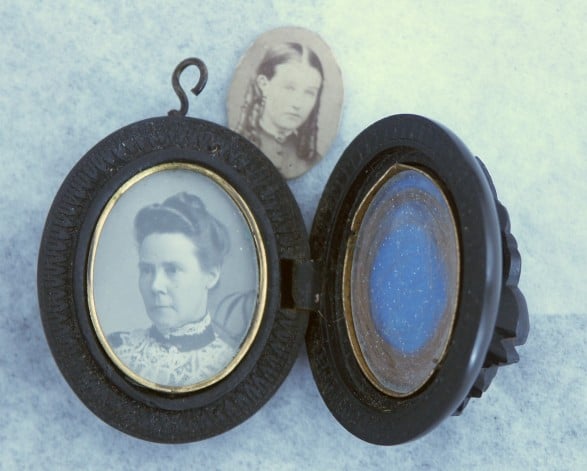
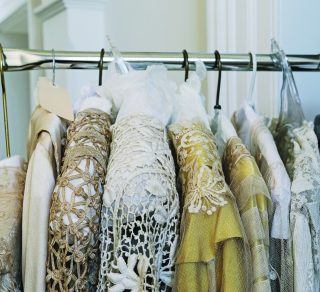
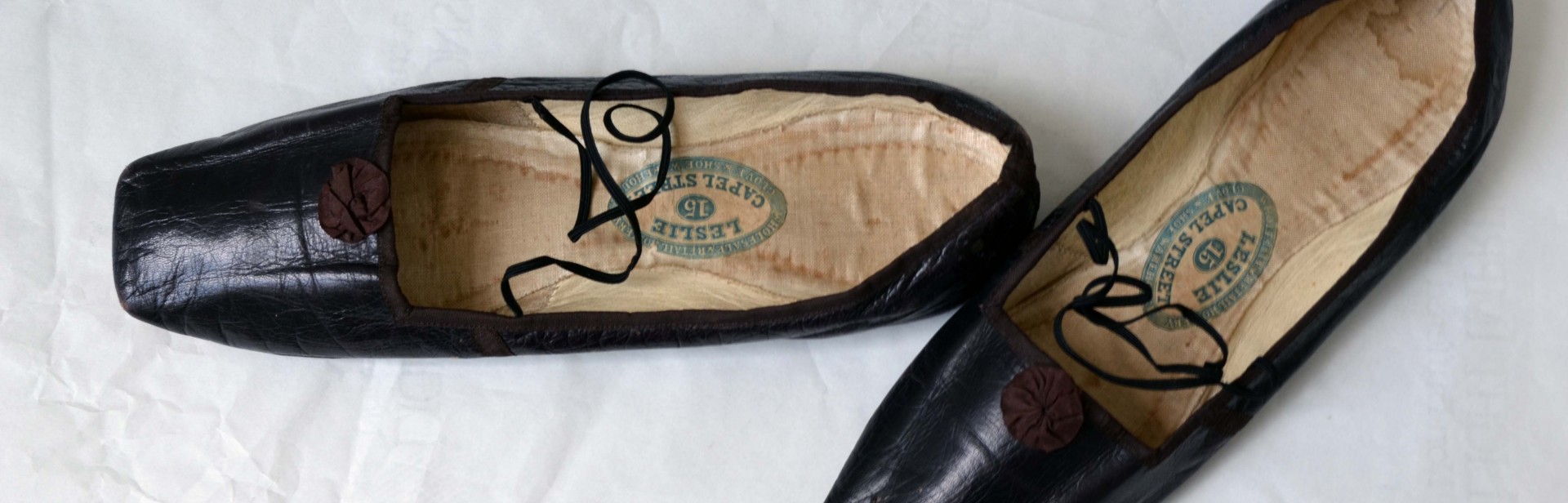
- Shoes, hats, parasols, gloves and jewellery
- Millinery, dance shoes and cosmetics
- Dressmaking tools and lace-making equipment
- Paper patterns, manuals, packaging and advertising ephemera
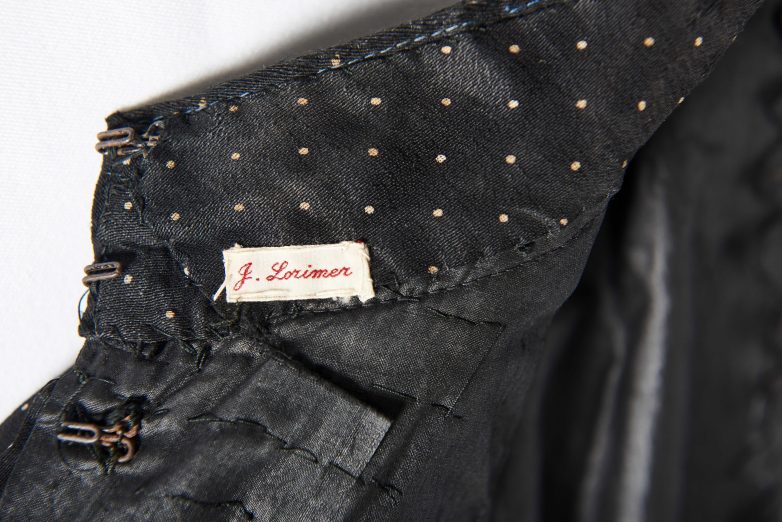
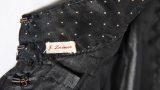
The collection spans the gold-rush era, the boom of the 1880s and the design innovations of the early twentieth century, with a growing representation of mid-twentieth-century dress. Many garments retain maker’s labels, documenting the rise of Melbourne’s fashion industry, department stores and local dressmakers.
Together, these objects offer rare insight into how clothing was designed, made, sold and worn in Victoria.
Preserving and Sharing the Collection
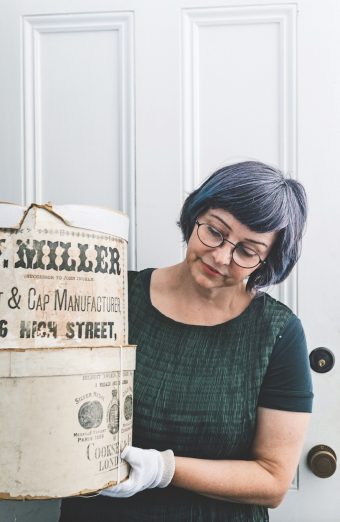
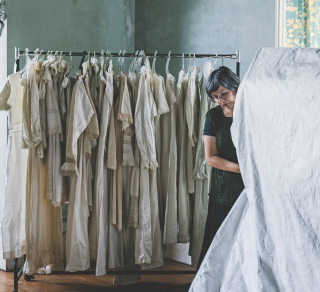
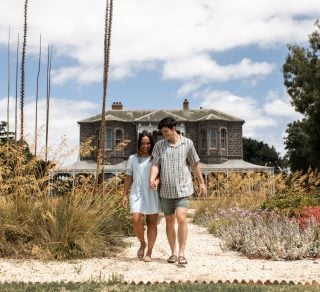
The collection is housed at Labassa and Glenfern House and is available to researchers by appointment. Skilled volunteers play a vital role in its care, supporting long-term preservation through archival storage, conservation and garment supports.
Items from the collection regularly feature in displays across National Trust properties. Tasma Terrace will host ongoing exhibitions drawn from the collection, with plans for these exhibitions to tour to other National Trust places across Victoria.
Supporting the Collection
Caring for the Fashion and Dress Collection is an ongoing commitment. Financial donations help conserve fragile garments, support research and enable public exhibitions that share these stories with new audiences.
Make a tax-deductible donation today to help conserve fragile garments, support research, and bring the stories of Victoria’s fashion and dress to life through exhibitions and programs.