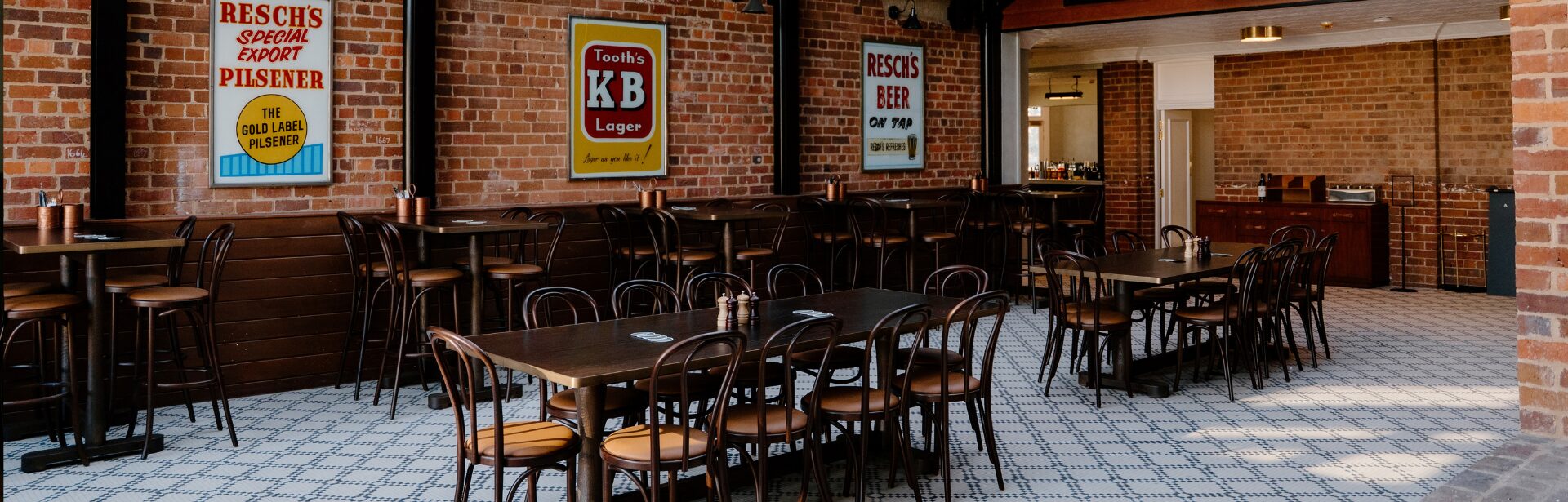
Winner of the President's Prize at the 2026 National Trust (NSW) Heritage Awards, the Coolamon Hotel redevelopment was a five-year project which not only restored a prominent building but also benefited a local community. We talk to architect Gioia Portolan Gianniotis about bringing the much-loved country pub back to life.
You relocated from Sydney to Wagga Wagga to establish GPG Architecture. What drew you to life in regional NSW?
Moving to Wagga Wagga was not originally my idea! My husband wanted to leave Sydney, while I was very much a city girl and incredibly close to my family. Leaving them behind and starting again in regional NSW was one of the most challenging decisions I have ever made. 22 years later, I cannot imagine calling anywhere else home.
Starting an architectural practice in a regional city was equally challenging. I believe my city training gave me a strong design and technical foundation, but the Riverina has shaped me into the architect I am today. Regional architecture carries a unique responsibility because the buildings we design become part of the communities in which we also live.
How did you come to work on the redevelopment of the Coolamon Hotel?
GPG Architecture already had an established relationship with Craig Patterson and Megan Taylor, having previously worked together on the restoration of their beautiful heritage home. When they approached us in 2021 after purchasing the Coolamon hotel, it was immediately obvious this was much more than a commercial redevelopment.
Craig and Megan are deeply connected to the region, and that passion guided every decision throughout the project. They genuinely cared about preserving the building’s history while ensuring it would remain relevant for future generations.
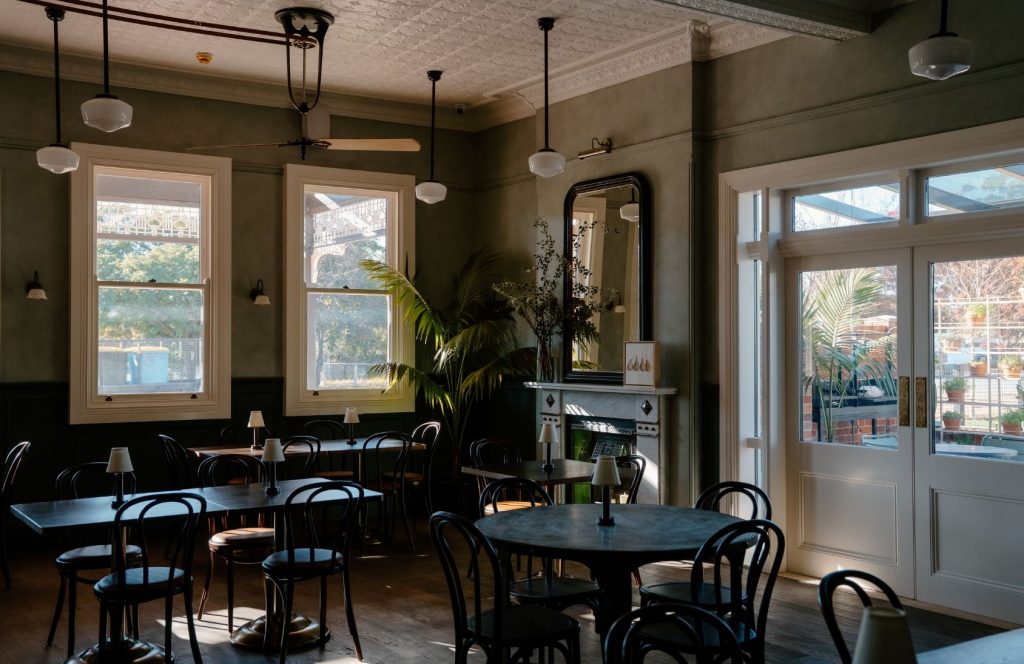
The Coolamon Hotel was first established in the Riverina region in 1880. What interested you most about the project?
The project combined everything that I enjoy about architecture. It involved restoring a much-loved heritage building while transforming it into a contemporary hospitality venue capable of meeting contemporary expectations.
What are some of your favourite elements of the redevelopment?
I love the restored pressed metal ceilings, the original internal staircase and red brickwork revealed after removing layers of cement render. These authentic elements tell the story of the building and celebrate the craftsmanship of another era.
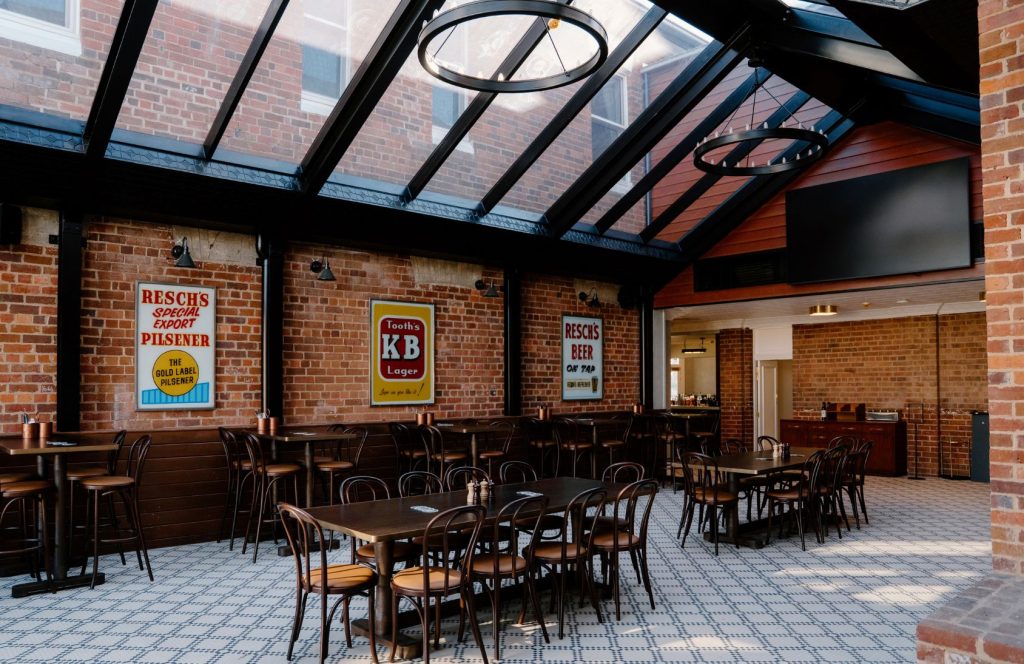
The glass house is undoubtedly one of my favourite spaces. Rather than replicating 19th-century architecture, it is deliberately contemporary. Embracing distinctly modern materials it is constructed from glass and black painted steel, allowing the heritage building to remain seen at all times. It provides year-round comfort while framing the original brick walls and connecting visitors with both the building and the sky above.
The beautifully integrated guest accommodation is another favourite. Transforming the former shared pub accommodation into four elegant guest suites with individual ensuites demonstrates how heritage buildings can comfortably meet modern expectations while retaining their character.
How do you balance a contemporary approach with preserving heritage in your work?
Everything begins with understanding the significance of the building itself. Before designing anything new, it is essential to understand what makes a place important – architecturally, historically and emotionally – to its community. Once that significance is understood, contemporary interventions should complement rather than imitate the original building.
Equally important is contemporary expectations. Buildings must continue to function if they are to survive. Carefully integrating accessibility, lifts, fire safety, building services and modern hospitality requirements ensures these important buildings remain relevant and usable for future generations. For me, heritage conservation is about allowing a building’s story to continue, not preserving it as a museum piece.
Historic buildings often come with unexpected discoveries. Did you uncover any surprising details on the course of this project?
One of the joys of heritage architecture is that every building has stories waiting to be uncovered. During the restoration we revealed original brickwork hidden beneath layers of cement render, allowing the original façade to once again become part of the building’s identity. Below ground, we encountered a former cellar and other undocumented structures that required careful engineering investigation before construction could continue.
Perhaps the most meaningful discoveries, however, came from the community itself. Throughout construction, residents regularly stopped by to share photographs, memories and stories of the hotel. Their excitement as the building slowly returned to life reminded us that heritage is never just about bricks and mortar; it is about the people whose lives have been woven into those places over generations.
What makes the Coolamon Hotel special?
The Coolamon Hotel is much more than a beautifully restored heritage building; it represents the heart of a community. Country pubs have always been places where people come together to celebrate, catch up after sporting events, host fundraisers, welcome visitors or simply enjoy a conversation over a meal.
Over time, many pubs have become increasingly centred around gaming rather than conversation. One of the things I admire most about the Coolamon Hotel is that it has returned to being a place where people genuinely connect. That was very much Craig and Megan’s vision. As locals who grew up in the region, restoring the hotel was their way of giving something meaningful back to the community that shaped them.
At its core, the Coolamon Hotel is also a family business, Ryan, Craig’s cousin and the hotels future operator, attended many of the design and construction meetings, ensuring a seamless transition from restoration to the hotel’s ongoing operation.
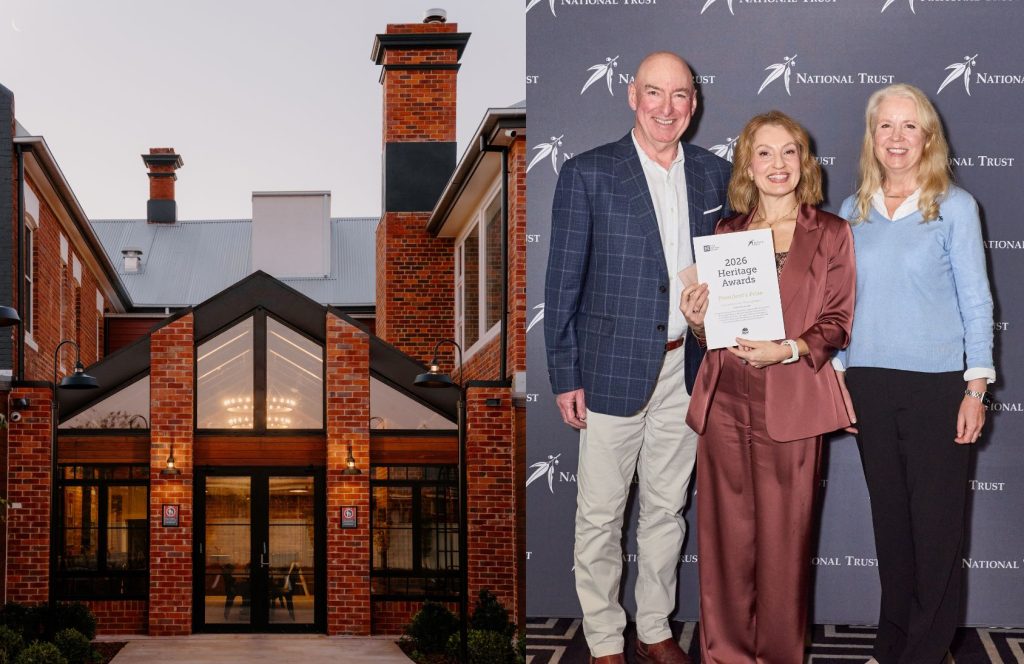
The Coolamon Hotel redevelopment won the prestigious President’s Prize at the 2026 National Trust (NSW) Heritage Awards. What did this accolade mean to you and everyone who worked on the project?
Receiving the President’s Prize was an incredibly proud moment for everyone involved in the project. For GPG Architecture, it was recognition of five years of collaboration and technical problem-solving to achieving the very best outcome for the building and the community. It acknowledged the vision of Craig and Megan, the dedication of builders Future Flip, the expertise of the consultant team and the craftsmanship of countless tradespeople who all contributed to the project.
On a personal level, it was also deeply affirming. The award reinforced that exceptional architecture does not have to come from a capital city. Regional practices, working alongside regional clients and communities, can deliver projects of national significance.
What do you hope the refurbished hotel will bring to the community of Coolamon?
I hope it continues to be the heart of the town. The hotel has already become far more than a pub. It now hosts weddings, community meetings, sporting clubs, markets, council gatherings, book clubs and visitors exploring the Riverina. It provides accommodation that encourages people to stay longer and discover everything Coolamon has to offer.
My hope is that future generations will continue creating memories there, just as previous generations have done for more than a century.
2026 winners of National Trust (NSW) Heritage Awards
Discover the inspiring projects and extraordinary individuals recognised for their contribution to heritage this year.
 Facebook
 Linkedin
 Email
Email