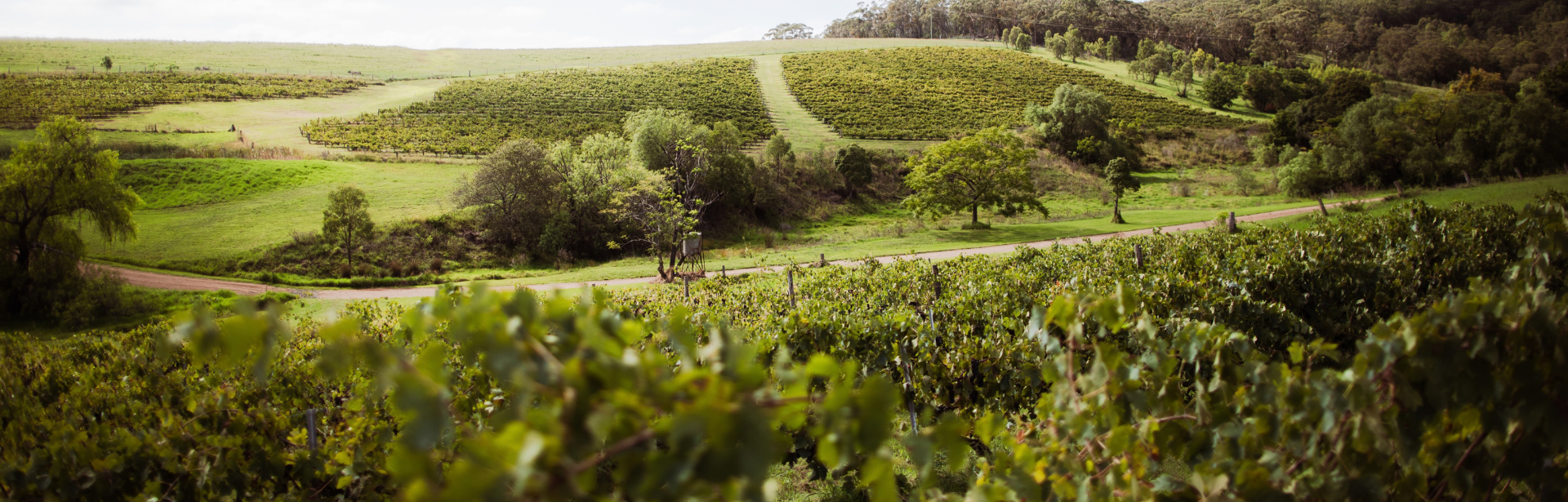
From a fledgling cottage industry in the 1820s to the thriving production of today, the story of winemaking in New South Wales follows a fascinating path. Andrew Caillard MW takes us on a tour of the Hunter Valley, the state’s oldest wine region, to reveal its vinous heritage in a bottle.
Hunter Valley wine offers the evocative taste and romance of living history, because its grapevine heritage can be traced back to the earliest days of settlement. While winemaking was attempted in New South Wales as early as 1792, a true cottage industry wasn’t established until the 1820s, with many small vineyards planted around early Sydney town and beyond.
While South Australia boasts the largest plantings of surviving 19th-century vines dating back to around 1847, New South Wales can also claim some very old vineyards. Phylloxera destroyed many vineyards around Sydney during the late 19th century – notably the Macarthur Family’s Camden Park Vineyard and Nursery – but it has never been detected in the Hunter Valley, the state’s oldest wine region where surviving vineyards date back to 1867. In addition, there are many vineyards that have been planted throughout the 20th century with ungrafted heirloom vinestock – grapevine cuttings that possess the same genetics as the original mothervine brought in during the early 1900s.
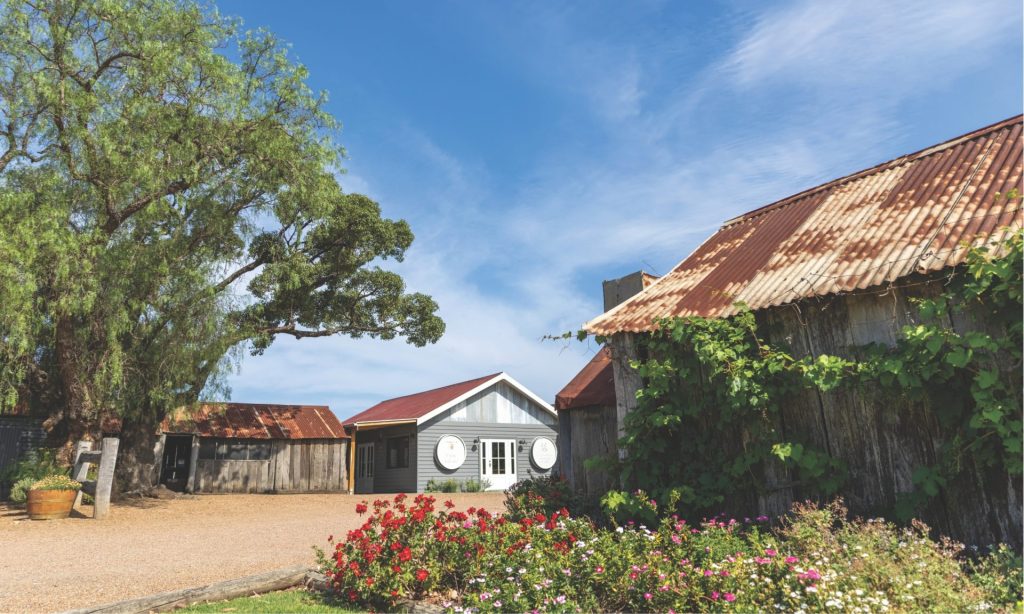
A taste of history
The exquisite Tyrrell’s Vat 1 Semillon is based primarily on a 1908-planted vineyard and is renowned as one of the finest ageing white wines in the world. The genetic material is directly related to a particularly juicy and richly flavoured grape that was discovered in front of a primitive dwelling in Pyrmont in the late 1820s by nurseryman Thomas Shepherd. Original cuttings were shipped up to James King at Irrawang and to Shepherd’s Kinross Vineyard in the early 1830s. Until recently this selection – which is particularly suited to the warm humid conditions of the Hunter Valley – was called Shepherd’s Riesling or Hunter River Riesling.
Mount Pleasant’s historic Mothervine Block, planted in 1921 with pinot noir cuttings from the now-defunct Kirkton Vineyard (pulled up in 1925), comprises material originally brought out by James Busby in 1832 and collected from the renowned Clos de Vougeot, a walled vineyard in Burgundy, France. During the 1970s, cuttings were taken by the CSIRO for heat treatment, clonal selection and propagation, and the widely planted MV6 Pinot Noir selection has been a massive success story on account of its intense colours, fruit definition and flavours. Its heritage value alone is extraordinary – there are only two degrees of separation between Mount Pleasant’s Mothervine Pinot Noir and the Clos de Vougeot, when it had a single owner in 1831.
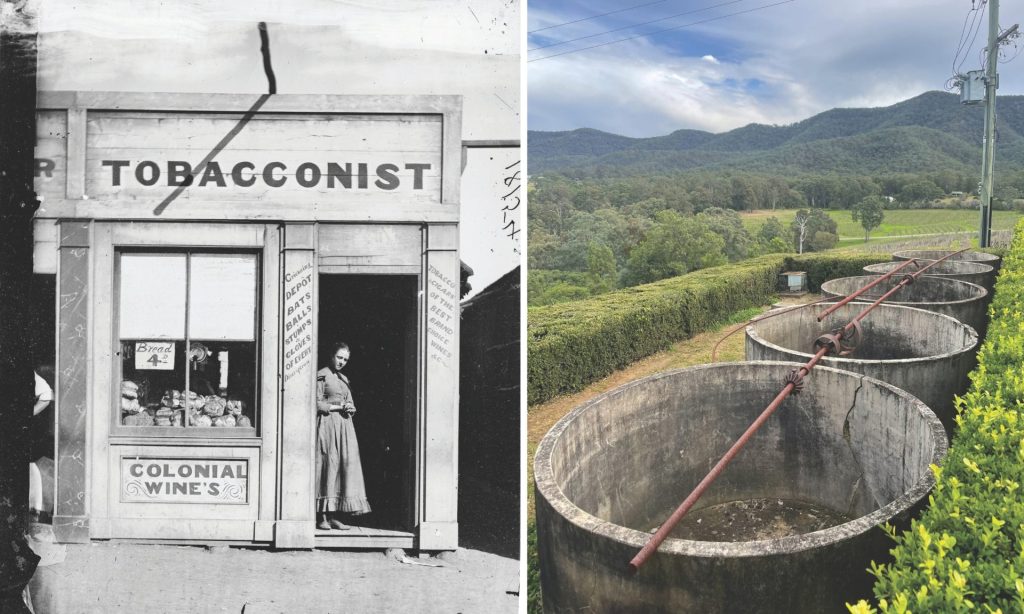
The timeless, gorgeously concentrated Tyrrell’s Vat 47 Chardonnay (1968 plantings) and HVD Chardonnay (1908 plantings; the oldest surviving chardonnay vines in the world) are derived from material likely also brought out by James Busby in 1832. Murray Tyrrell’s 1971 Tyrrell’s Vat 47 kickstarted Australia’s love affair with chardonnay and remains a reference for the variety.
A bottle of 1930 Dalwood Hunter Valley Cabernet inspired Dr Max Lake to plant cabernet sauvignon in 1963. It’s thought that the singular claret-like Lakes Folly Cabernet Sauvignon comprises material that can be traced back to 1837, when William Macarthur first imported cabernet sauvignon cuttings from Bordeaux merchant Barton & Guestier. Since 2000, winemaker Rodney Kempe has refined and improved the style to produce the region’s most consistent ultra-fine cabernet.
Brokenwood’s classic Graveyard Vineyard Shiraz, a style imagined by winemaker Iain Riggs AM, represents the values of modern-day Australian winemaking where collaboration, 19th century genetic material and contemporary techniques combine to make a wine of great substance, complexity and beauty.
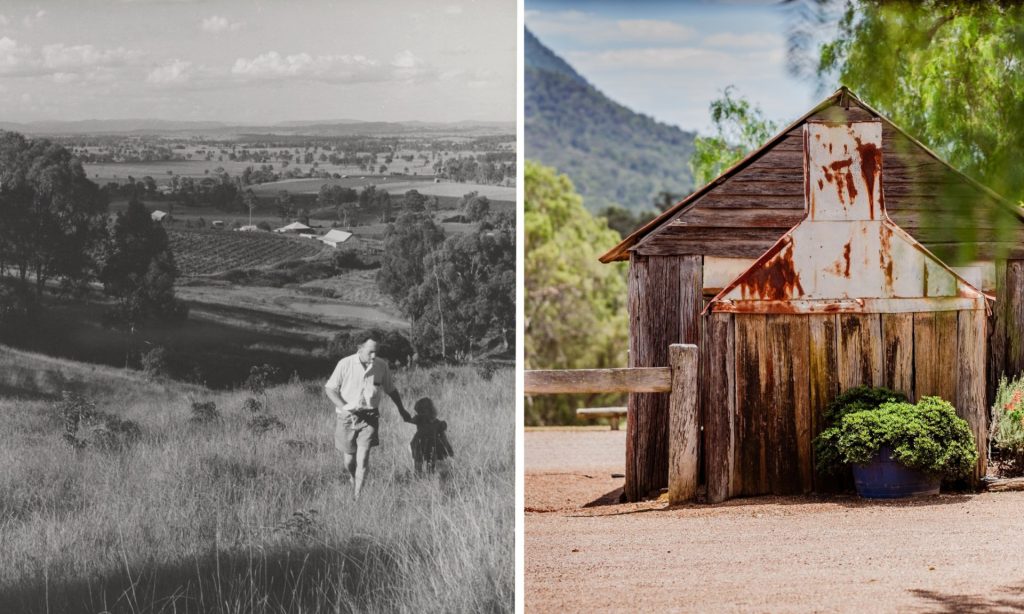
Stories in the landscape
A drive through the Hunter Valley reveals many old vineyards with fascinating back stories. Tangible fragments of 19th century winemaking – including open concrete fermenters and original slab dwellings – are dotted through the landscape. One can imagine the Wilkinson family’s Cote d’Or, Mangerton, Oakdale, Maluna and Coolalta vineyards, which formed a band of vineyards over a corrugation of foothills during the 1880s and 1890s.
But time never stays still. The Hunter Valley has weathered both boom and bust but the wines have never been better, with a combination of heritage vineyards, heirloom vinestock and exceptional winemaking ideals. Tyrrell’s, Brokenwood, Mount Pleasant and Lake’s Folly are cornerstone producers but others like Audrey Wilkinson, Draytons, Thomas Wines, De Iuliis, Scarborough, Keith Tulloch, Riggs & Wiggs and Margan each contribute to the region’s vinous heritage.
Andrew Caillard MW is the author of The Australian Ark: The Story of Australian Wine, 1788–2023, which won the 2025 National Trust Heritage Award for Publications. This story originally appeared in the February – May 2026 issue of the National Trust (NSW) magazine.
Top image: Tyrrell’s Old Hillside Vineyard in Pokolbin (image supplied).
Plan your visit
Planning a trip to the Hunter Valley? Pay a visit to our special places in the region: Grossmann House in Maitland and Miss Porter’s House in Newcastle West.
Discover more in the National Trust (NSW) magazine
Want to read more fascinating stories about heritage? Become a member of the National Trust (NSW) to receive a printed copy of the National Trust (NSW) magazine.
 Facebook
 Linkedin
 Email
Email