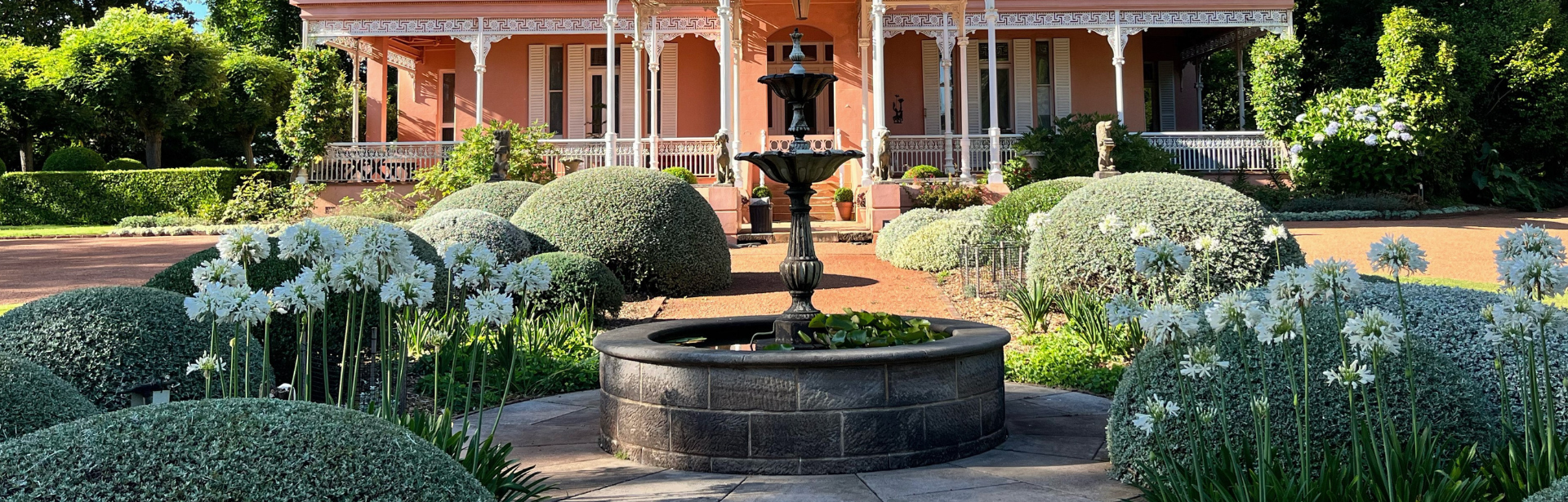
Discover the history and multi-faceted beauty of the grounds of Retford Park.
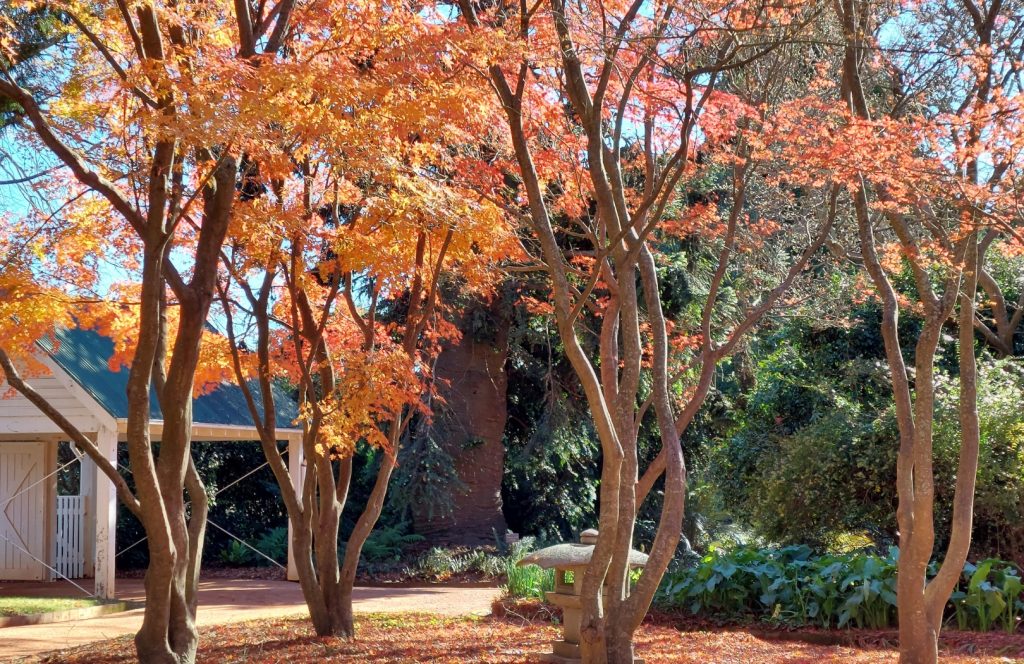
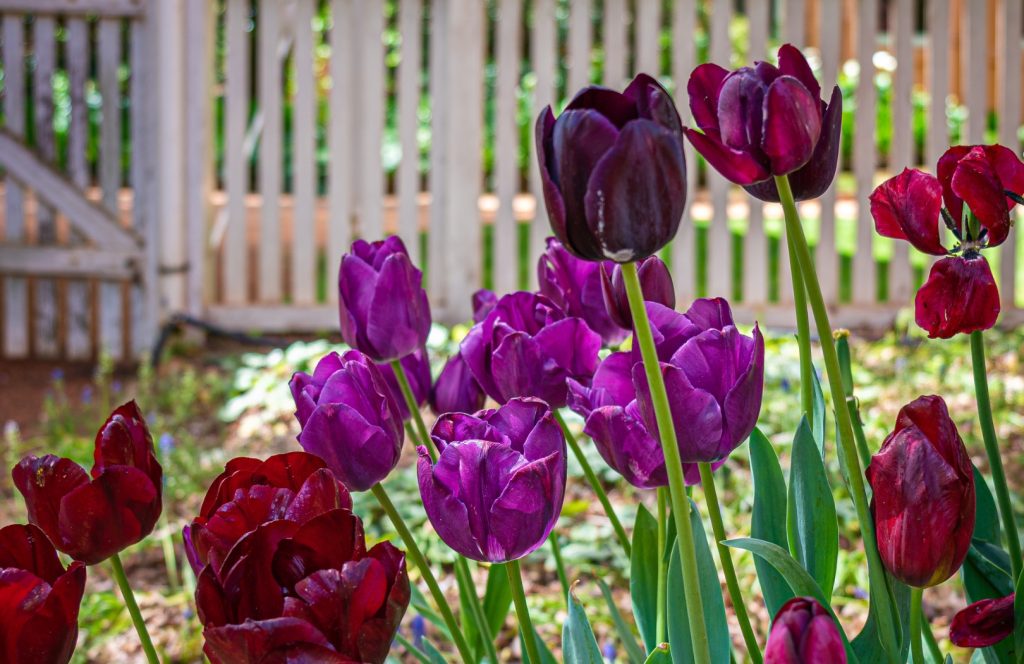
‘Garden as though you will live forever,’ said English landscape designer and artist William Kent. It’s a philosophy that comes to mind as you enter the grounds of Retford Park. Described as one of Australia’s finest gardens, here you’ll find a place of timeless beauty. Snowdrops emerge from winter frost, spring bulbs rise in a swathe of vibrant colour, blousy hydrangeas bloom over summer and the leaves of ancient trees rustle on autumn winds. Anchoring this ever-shifting scene are evergreen hedges. striking sculptures and graceful water features.
Discover how this stunning heritage garden was created and learn how the National Trust is securing its future.
Living history
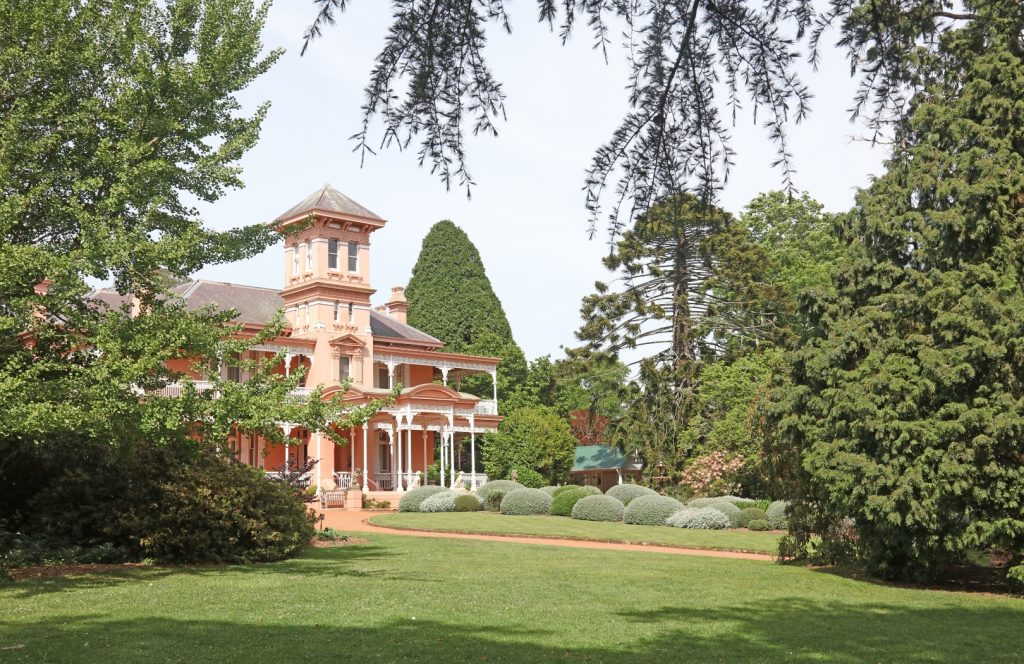
Situated on Gundungurra Country, Retford Park’s European history traces back to 1821, when Governor Macquarie granted two parcels of land to Edward Riley. The Hordern family then purchased the site in 1884, building the grand Italianate-Victorian mansion and renaming the property Retford Park.
Retford Park remained in Hordern family ownership for three generations. Although the property was used primarily for agriculture, the family were also keen gardeners. Samuel Hordern established the garden’s original layout, while Sir Samuel Hordern II and Lady Hordern later made substantial improvements, including the camellia walk and the planting of significant trees.
In 1964 James Fairfax AC acquired Retford Park, and under his ownership the property was transformed into a ‘gentleman’s estate’. While James drew upon the advice and expertise of renowned landscape designers, he was also confident in his own style and made many of the landscaping design decisions himself.
Today, the sprawling and elegant garden at Retford Park continues to reflect the taste and lifestyle of James Fairfax, who owned Retford Park for over fifty years, before passing the property to the care of the National Trust in 2016.
Grand designs
Shortly after James purchased Retford Park, his mother gifted him the services of renowned English landscape designer John Condrington. This commission resulted in a redesign of the grounds into a park-like setting and the creation of the graceful teardrop garden in front of the house. Retford Park is one of only two known examples of John Codrington’s work in NSW.
In 1969, a striking Modernist pool and pavilion designed by prominent Australian architect Guilford Bell were added to the grounds. Later in the 1990s, James worked with landscape architect David Wilkinson. Together they collaborated on the Emu Run, the Millenium Canal, the Peony Walk and the Knot Garden, known for its formal, interlacing hedges.
During James’ later years, topiary balls were added to the teardrop garden by head gardener Rick Shepherd, giving it its nickname ‘The Blobbery’. He also created the cretaceous garden and ‘Aunt Eileen’s best room’ – a whimsical ‘garden room’ which features camellia hedge curtains, a topiary sofa and herb carpet.
Heirloom varieties
Over the past 200 years, Retford Park has been planted with a wide variety of species and is now home to several historic plant collections.
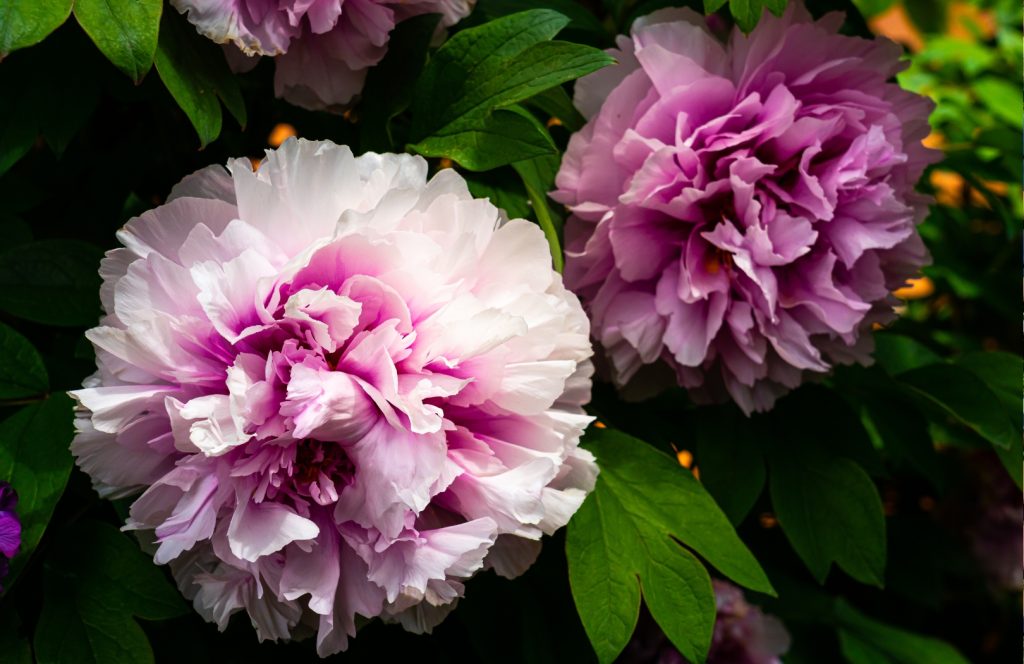
A symbol of prosperity, beauty and hierarchy, peonies held a long-standing fascination for James Fairfax. Having first encountered the magnificent blooms in Japan, he later commissioned the Peony Walk, where a significant tree peony collection was planted.
Over 42 specimens of camellias can be found at Retford Park, several of which have been identified as having national or international significance due to their age and rarity. In 2024, Camellia japonica ‘Cleopatra’ (1849) was discovered at Retford Park. It is one of only nine camellia varieties through to have survived from the over 200 camellias originally bred by William Macarthur at Camden Park.
Retford Park also contains hundreds of trees, including trees originally planted in the 1880s by the Horden family, whose coat of arms featured a budding oak tree with the motto: ‘While I live, I’ll grow’.
Recently, the gardeners at Retford Park have added playful interest to the magnificent grounds, creating a ‘Little Stinkers’ corner of the garden. The plants on display are known for their unique odour of carrion, mimicking the smell of dead and decaying animals. While the scent may be unpleasant to humans, it is highly attractive to flies and beetles, which help pollinate these unusual species.
Planting for tomorrow
Caring for a heritage garden requires careful management to ensure the site can continue to thrive for years to come. The plants at Retford Park are thought of as ‘living antiques’ and require a similar approach to a house museum collection; expert advice is often sought for their management.
With some plants nearing the end of their natural life cycle and climate change posing a threat of warming weather, succession planning has begun in the gardens to ensure their continued conservation. Tubers have been lifted, cleaned, labelled and stored; seeds have been collected, dried and sown, and cuttings propagated. Through carefully nurturing young and old plants, the National Trust is helping to safeguard the garden for future generations, ensuring Retford Park continues to inspire.
Discover Retford Park at sunset
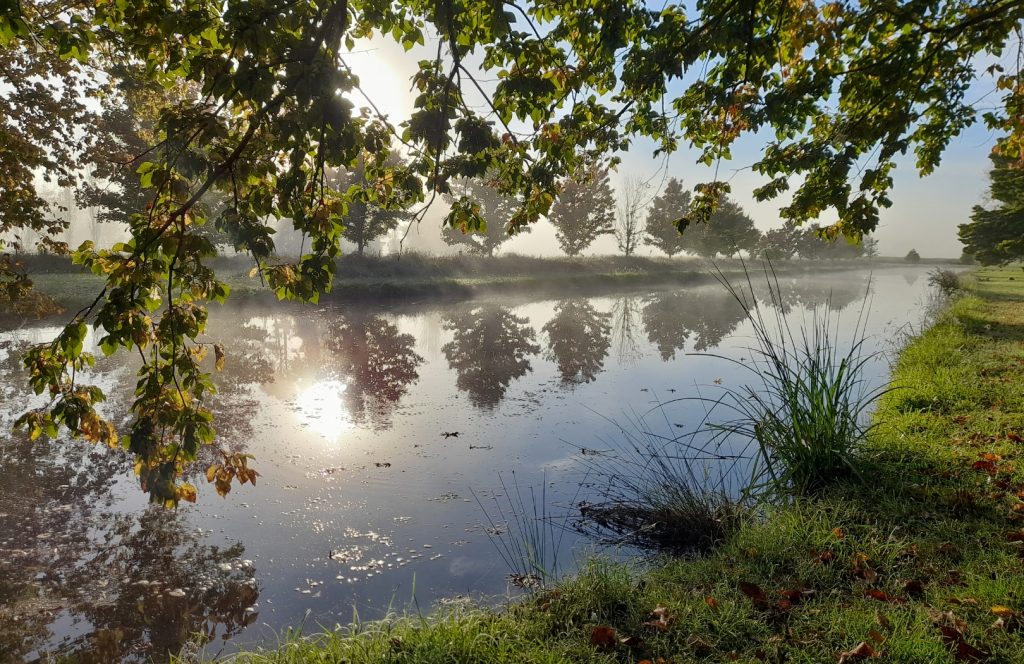
See the gardens from a different perspective as you watch day fade into night during Sunset Evenings at Retford Park. Admire the spring blooms aglow in twilight and join a tour of the house as it comes to life by lamplight. Book now for this special after-hours experience.
 Facebook
 Linkedin
 Email
Email