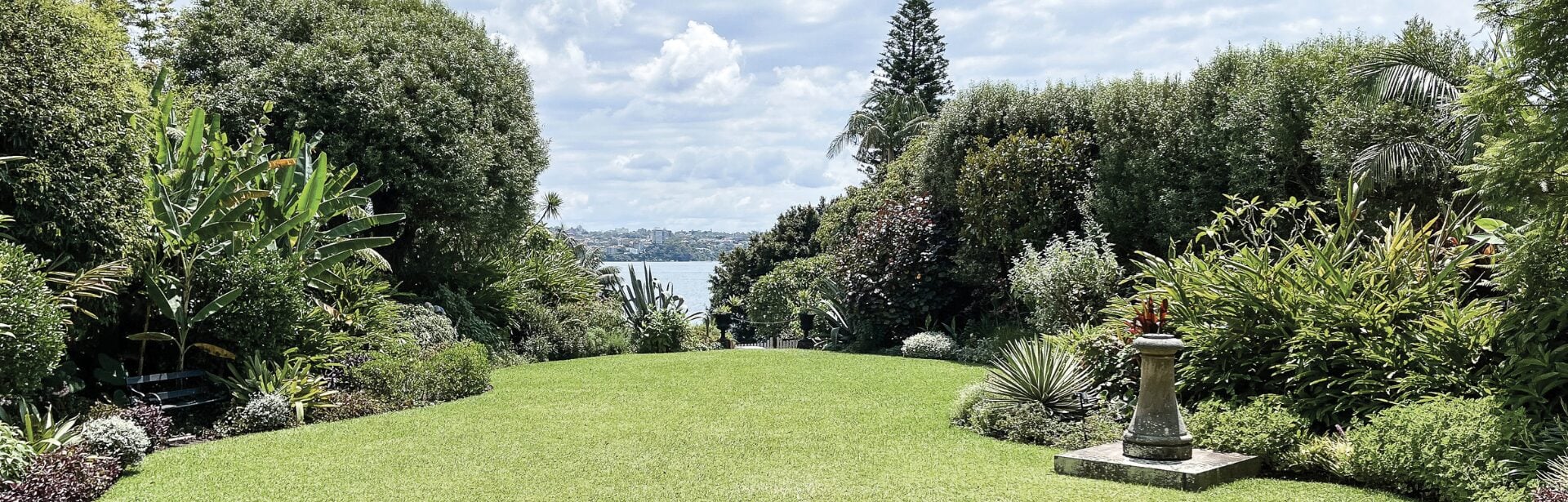
Lindesay was more than an early harbourside villa. With its Gothic design, elegant interiors and commanding outlook, it helped define Darling Point as a place of refinement, beauty and colonial ambition.
By Michelle Bateman, Editor of the National Trust (NSW) magazine
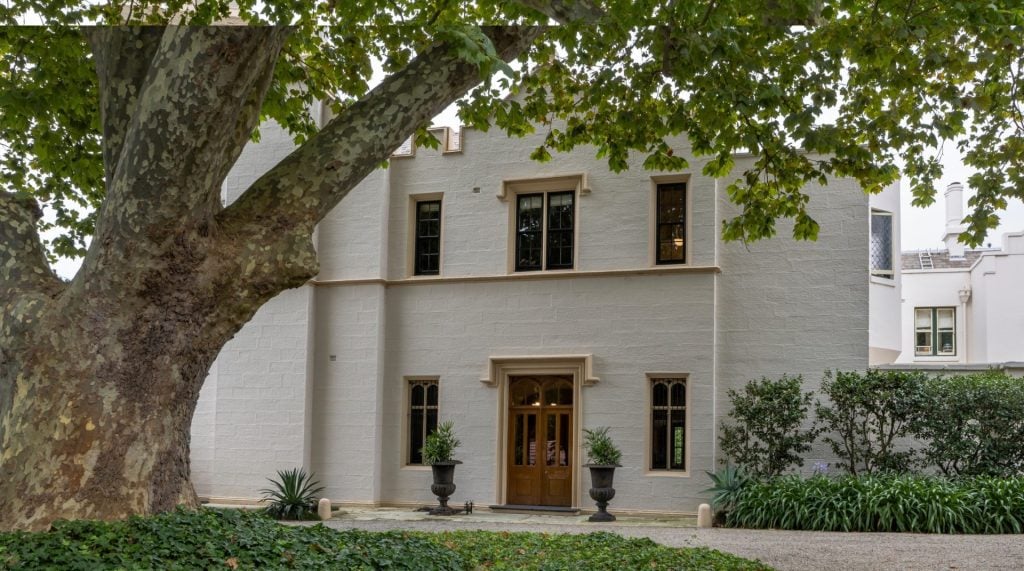
From the very beginning, Lindesay was a house intended to be seen. Perched above Sydney Harbour on Gadigal land, its Gothic silhouette, elegant proportions and cultivated grounds announced a new kind of colonial ambition. This was not a house that retreated from view, but one composed for effect – picturesque, commanding and unmistakably designed to leave an impression. For many decades, it offered new arrivals by sea one of their first glimpses of Australia.
Built between 1834 and 1836 for Colonial Treasurer Campbell Drummond Riddell, Lindesay was the first substantial house built at Darling Point after the peninsula was subdivided. Part of a new pattern of harbourside living for the middle classes, “the buildings erected had to be of no less value than one thousand pounds”, notes Emeritus Professor Lesley Johnson in her 2013 essay on the formation of Darling Point. Early residents believed there were “few finer [villas] in the world” and early visitors commented on the suburb’s beautiful appearance, with “plenty of gentlemen’s seats peeping out”.
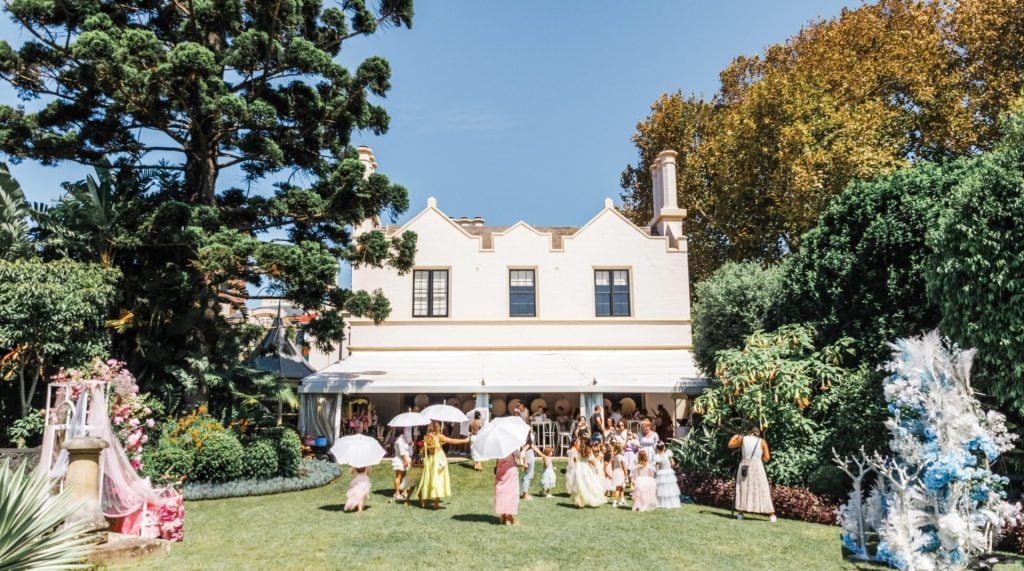
Architecturally, Lindesay was equally deliberate. Its Gothic Revival character gave the house an air of romance and refinement, distinguishing it from the more restrained Georgian mode that had shaped so much of early colonial building. While not an exact facsimile of any one British example, the design of the house was intended to suggest taste, cultivation and a familiarity with fashionable British ideas.
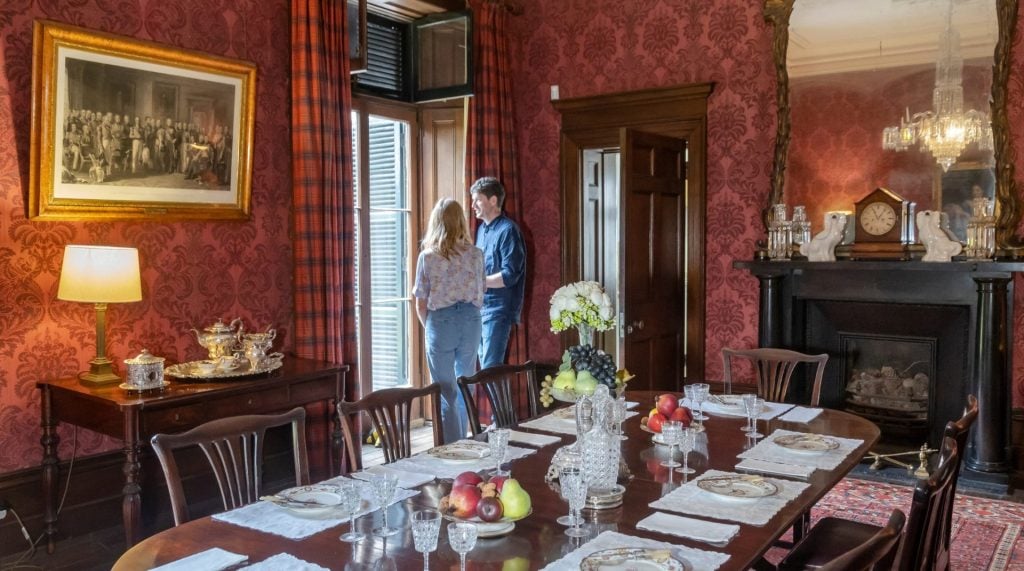
“As such, it is a primary witness of that dominant colonial ambition to create a particular type of ‘New Britannia’ in the antipodes,” commented historian Dr James Broadbent AM, in a 1984 publication to commemorate the property’s sesquicentenary. Inside, that sensibility continued in a home that was designed as much for sociability as for comfort. The reception rooms were considered to be among the finest in Australia, with views over the garden and the harbour beyond.
A house of taste and standing
When Riddell listed the “Lindesay Mansion & Estate” for sale in 1841, the advertisement praised its “architectural science and professional ingenuity” and listed nine bedrooms, a drawing room, dining room, library, spacious kitchen, superior cellars and outdoor offices. It also highlighted the “subterranean reservoir, or stone tank” that served the house and remains functional today. The notice sold not just a house, but an idealised lifestyle, from “beautiful prospects”, “elegant shrubberies and ornamental gardening” to a neighbourhood of people “of property and consideration”.
After Riddell’s tenure came to an end, later owners included the Surveyor-General and explorer Sir Thomas Mitchell and physician Sir Charles Nicholson, the co-founder of the University of Sydney. By the time ironmonger John Macintosh had acquired the property for his growing family in 1870, the grand Gothic villa had had several additions and provided a comfortable home for his seven children. For four decades, the Macintosh family revelled in their waterfront home, spending weekends sailing, strolling along the foreshore and playing cricket on the lawns.
An enduring icon
When Lindesay came into the care of the National Trust in 1963, then-owner Walter Pye did more than pass on a family home. He placed in its care one of Sydney’s most evocative colonial villas at a moment when such harbourside survivors were becoming increasingly rare, ensuring that this picturesque private home would begin a new life in the National Trust’s hands.
Over the intervening six decades, Lindesay has been shaped by a series of careful decisions about how the house should live again. An early direction was set by architect Guy Lovell, who aimed to evoke the house of a 19th-century gentleman of standing in colonial society, and later direction was provided by Clive Lucas, Stapleton & Partners.
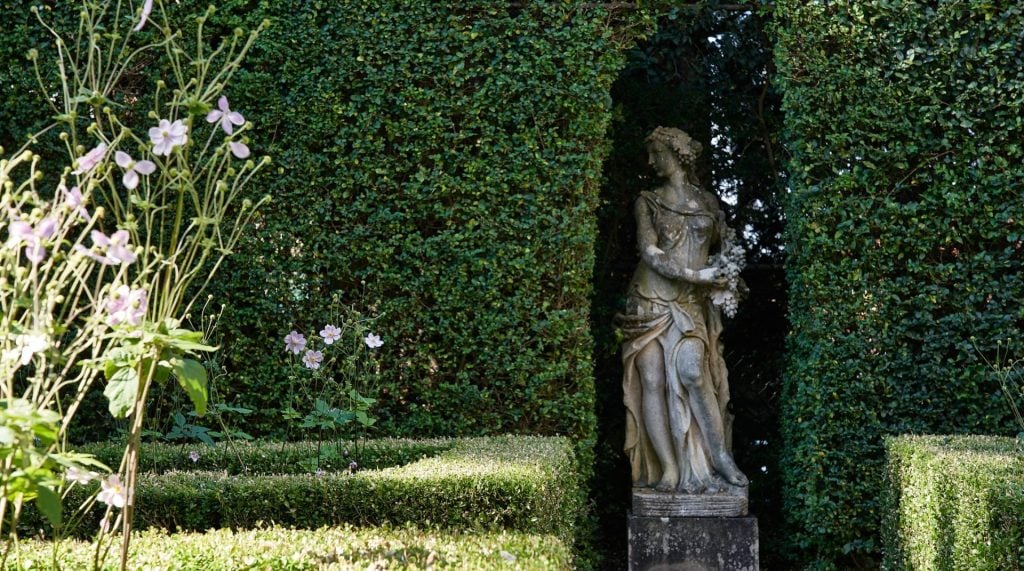
The first works, begun in 1964, were both practical and symbolic. The staircase was reinstated from the ground floor to the first floor, a later bathroom was removed to restore the library, windows were repaired, doors and shutters put in order, and the floors of the dining room and library were renewed after white ant damage. Considerable attention was also given to the interiors. For the drawing room, library and dining room, advice was sought from the Victoria and Albert Museum in London, and 19th-century wallpapers were specially printed from period designs held by Sandersons. The Garden Committee reworked the grounds, though the 1840 sundial remains near its original position halfway down the lawn.
Together, those efforts ensured that Lindesay was not simply preserved but restored to public life as one of Australia’s most evocative historic houses.
From house to headquarters
The history of Lindesay is inextricably tied to the Women’s Committee of the National Trust. Indeed, one of the committee’s foundation members, Mary Allen, together with Walter Pye, was instrumental in bringing Lindesay into the care of the National Trust. Founded in 1961 to raise funds, encourage membership and organise public events, the Women’s Committee soon made Lindesay its headquarters, using its rooms as a base for exhibitions, fairs, house inspections and other fundraising activities. Over the decades, these events helped sustain the property and the National Trust’s wider conservation efforts. It’s a relationship that continues today, with the Women’s Committee, and volunteers, still closely associated with the house and its ongoing care.
We need your help
Since it came into the care of the National Trust, careful conservation and the dedication of volunteers have ensured Lindesay’s enduring presence. But heritage of this quality brings ongoing responsibility. To preserve Lindesay’s beauty and prepare for its next chapter, renewed investment in specialist conservation is now needed.
Please donate to the National Trust’s Lindesay Appeal today.
 Facebook
 Linkedin
 Email
Email