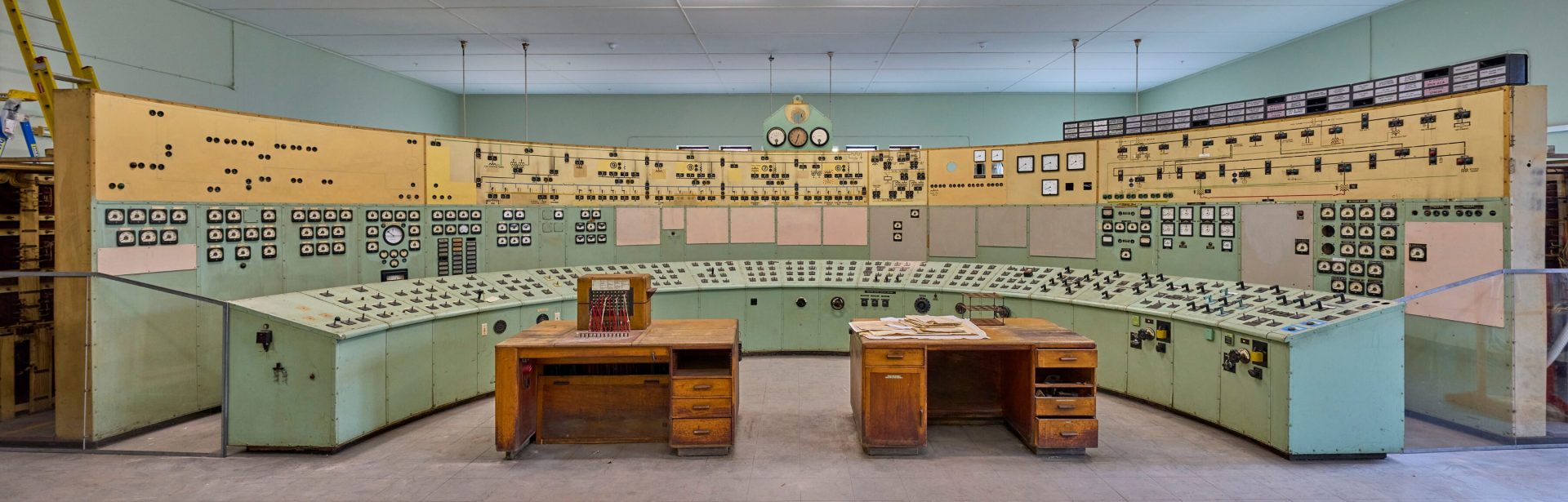
Award-winning architect Alan Croker shares why adapting what we have is not only more sustainable for the environment but essential to preserving heritage, community and continuity.
By Alan Croker, Principal, Design 5 – Architects
The Pritzker Prize-winning architect Anne Lacaton once said that “transformation is the opportunity of doing more and better with what is already existing”. She continued: “The demolishing is a decision of easiness and short-term. It is a waste of many things – a waste of energy, a waste of material and a waste of history. Moreover, it has a very negative social impact.”
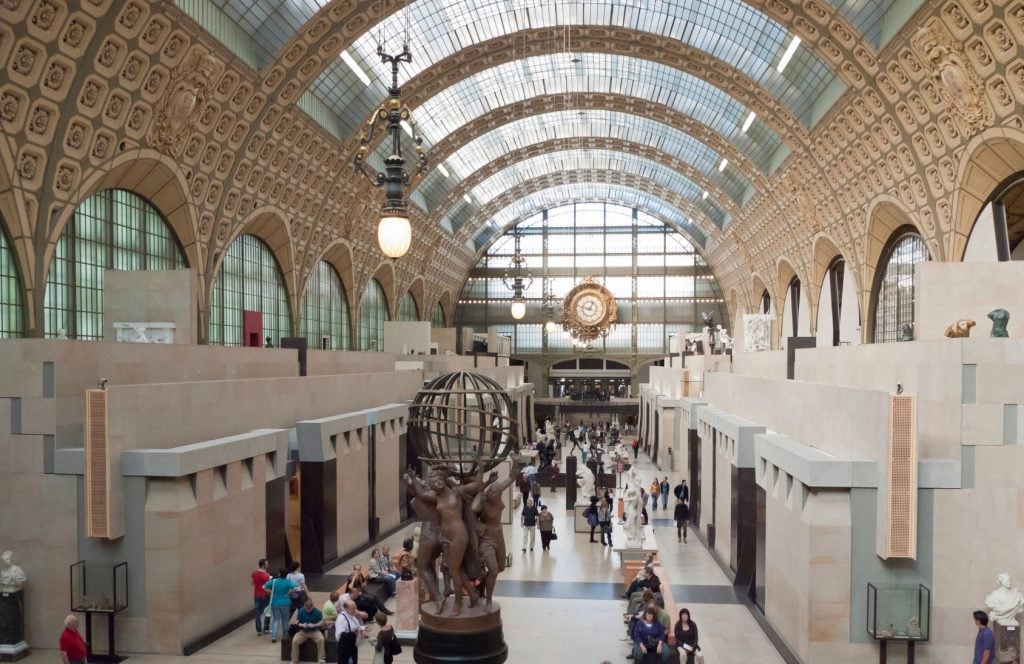
To me, this very powerfully sums up why we in Australia should not be demolishing buildings at our current rate. The adaptive reuse of buildings has been practiced for centuries but our understanding of its opportunities continues to evolve. The building boom of the Industrial Revolution in the mid-18th century left us with huge, purpose-built structures to house manufacturing, transport and industry. As technologies evolved, many structures were abandoned, inviting opportunities for adaptive reuse. One of my favourite examples is the original Gare d’Orsay in Paris, a former railway station that was converted to the Musée d’Orsay in 1986. Contemporary with that in Sydney was the multi-award-winning adaptive reuse by Lionel Glendenning of the former Ultimo power station as the Powerhouse Museum.
Now, with the increasing urgency of the climate crisis, we have an added layer to consider. These buildings contain embodied carbon, as well as their embodied cultural and social values and craftsmanship. But they can be adapted and incorporated into new uses; we should not throw them away. This is a form of cultural sustainability and, ultimately, contributes to the sustainability of how we live on this planet.
Holding on to what matters
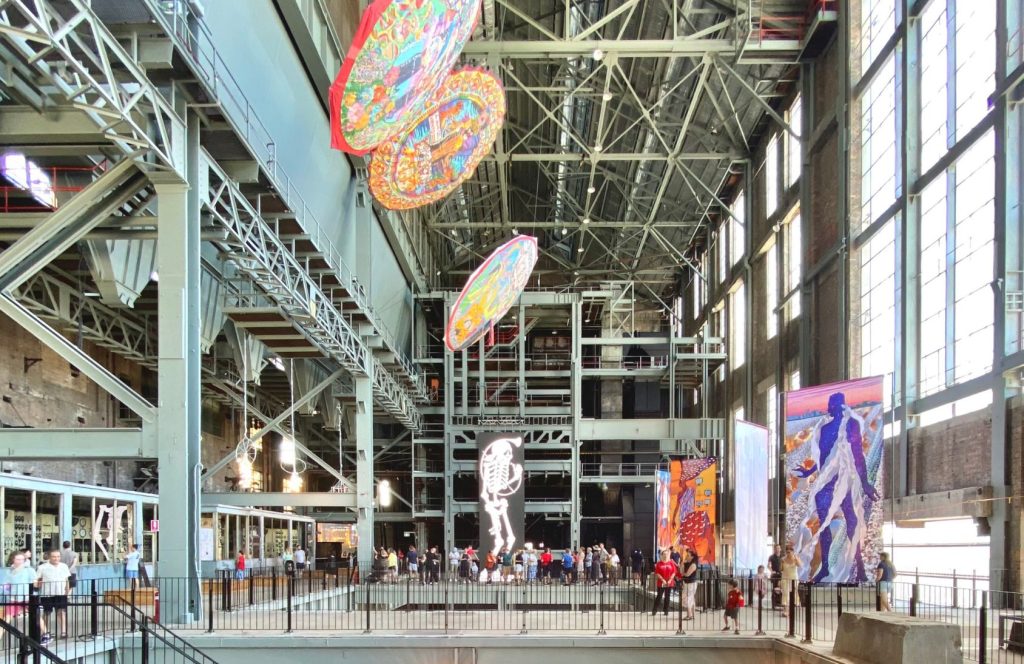
Engaged in 2002 to prepare a Conservation Management Plan for the White Bay Power Station, Design 5 – Architects led the adaptive transformation of this remarkable place in 2021 – 2024 to become a new cultural and events venue. If you were to build something like this today – with spaces like the Boiler House, some 40 metres high by 62 metres long, and Turbine Hall, 25 metres high by 140 metres long – the cost would be enormous. Why shouldn’t this structure have a viable future with a new use? A decision in the late 1980s to retain a representative ‘slice’ of the machinery in-situ, to represent the process of coal-fired-power generation, was very unusual at the time, when others were dismantling their machinery, sending it overseas or simply to the scrap yard. This set of machinery is now increasingly rare and helps us understand how we generated power in the past. It is not just a museum exercise; it can be the backdrop to any activity that happens there, and provokes visitors to enquire about the history of the building and our industrial past.
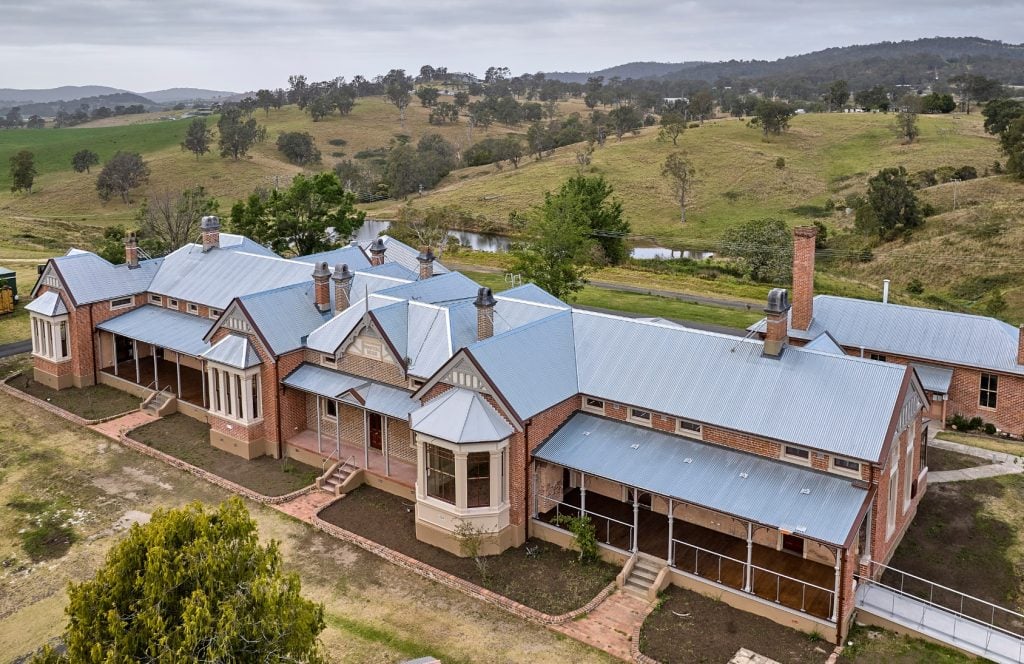
More recently, we worked with a community on the NSW far south coast on the restoration of the Old Bega Hospital. Originally a hospital from the 1880s, it was adapted for community use in the 1980s before being ravaged by a devastating fire in 2004. The community wanted to retain it for their activities and found a way of raising the money to have it repaired. It was part of their collective cultural memory and by retaining and building on those values, the result is far stronger than if they had simply built a new facility.
Looking to the future
I see an urgent opportunity for adaptive reuse in Australia in social housing. We must find ways to upgrade what we already have, rather than demolishing and rebuilding, which requires whole communities to be relocated. It is not only the simple cost of the works, it is the cost to the environment, to society at large, to the occupants, their wellbeing and social networks. This requires an approach that considers adaptive reuse and sustainability in its broadest sense, retaining not just the historic or aesthetic values, but also looking at intangible values, the social structures, the nature of our society and how we look after people who are vulnerable.
It is possible to achieve all of this, but we need to first understand holistically the value of what we have and, most importantly, identify opportunities for retaining these values, incorporating them into new uses in ways that celebrate them and enrich and strengthen the community. It might cost more in terms of labour and human effort but these are infinitely renewable; the material resources that we use are not so replaceable
 Facebook
 Linkedin
 Email
Email