The National Trust (NSW) has long worked to protect special places for all to enjoy. Hit these walking trails for a memorable adventure combining history with spectacular views.
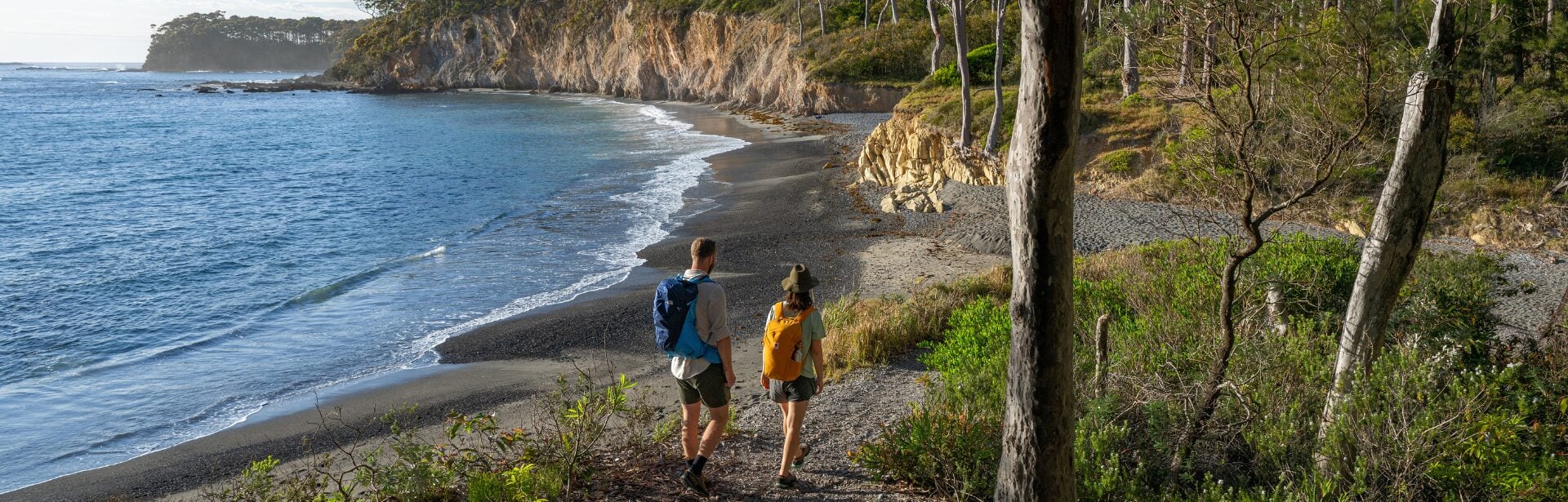
Cover image: Walkers head out on the Munjip Trail, winner of the Interpretation award at the 2026 National Trust Heritage Awards. (Photography by Mark Watson)
Whether you fancy a short stroll or a longer walk that tests your stamina across more challenging terrain, there are myriad choices for those keen to explore the heritage of NSW on foot.
Discover some of the state’s standout walking trails, encompassing both stunning scenery and heritage places. Whether you choose a newly-launched track or a well-trodden path, make sure to do your homework first and plan for the weather and distance.
Munjip Trail
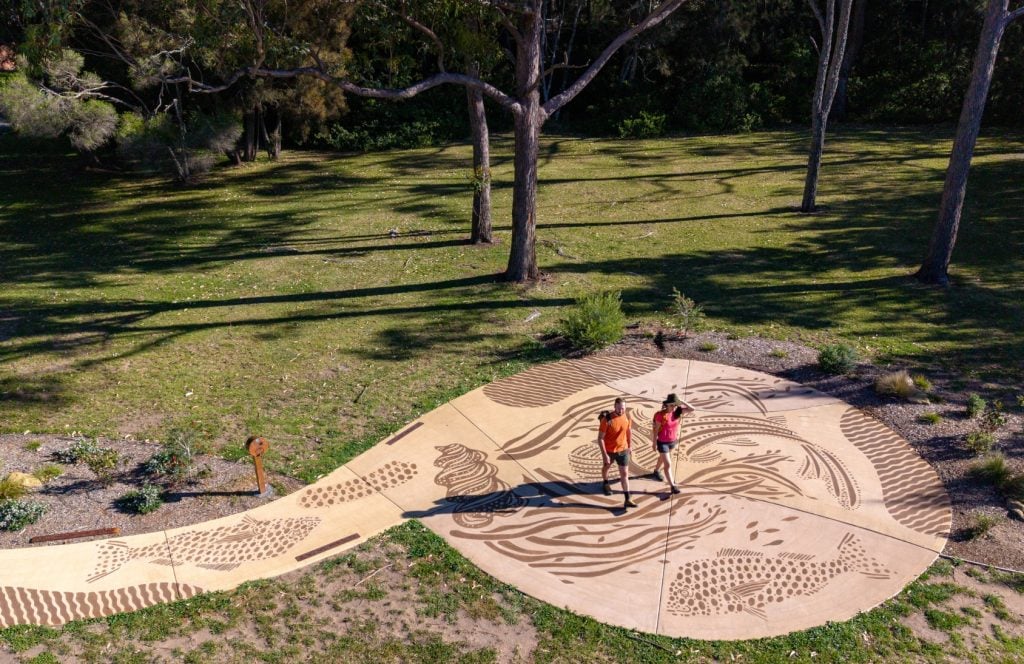
Winner of the Interpretation Award at the 2026 National Trust Heritage Awards, this compelling 18-kilometre coastal walk in Eurobodalla was created in close collaboration with traditional custodians, the Walbunja People. Commended by judges for its shared commitment to learning, respect and connection, the trail shares stories of Walbunja Yuin Country through insightful, layered interpretation. Meaning ‘walking together’ in the Dhurga language; public art, language markers and digital content are woven into the natural landscape on this beautiful trail for a unique celebration of the rich cultural heritage of the Far South Coast.
Stretching across Eurobodalla’s coastal headlands, the trail winds through a diverse range of landscapes, from headlands with sweeping ocean views to tranquil bushland. While completing the full route requires some bushwalking experience, sections of the trail make for enjoyable shorter walks that can be covered in just a few hours.
Find out more and plan your visit.
Bondi to Manly Walk
Traversing the coast between two of Australia’s most famous beaches, the Bondi to Manly Walk takes visitors on a remarkable 80-kilometre journey through the maritime, military and cultural history of Sydney. Featuring a roll call of Sydney icons including the Opera House and Harbour Bridge, there are also heritage landmarks, significant sites rich in Aboriginal history and pretty swimming spots to discover along the way.
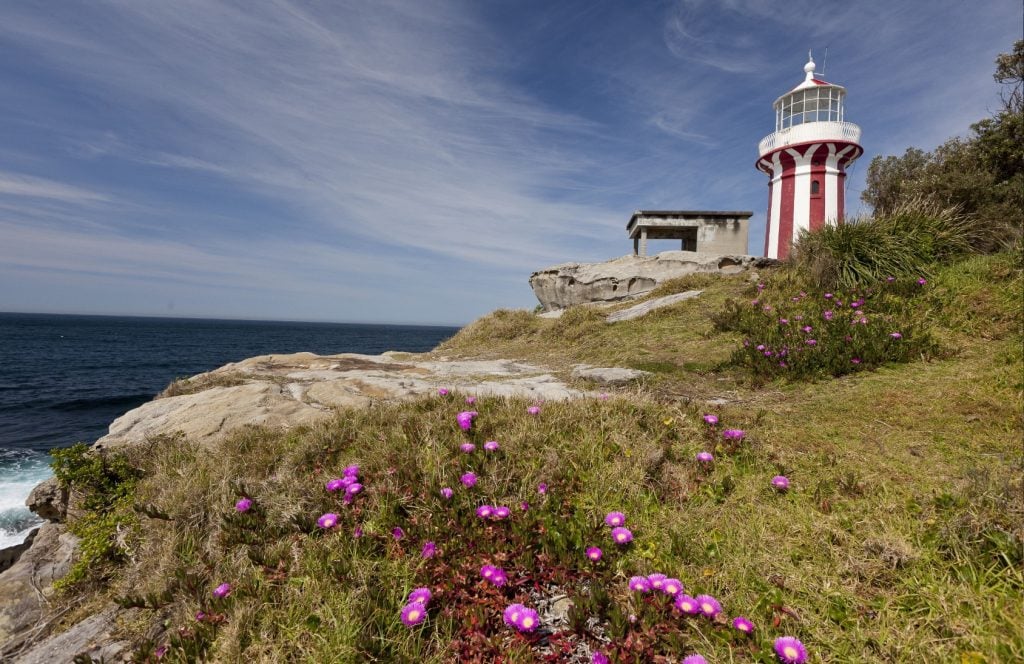
Reflecting Sydney’s deep relationship with the sea that skirts its edges, on the Eastern end of the walk you’ll spot historic Macquarie Lighthouse and the cheerily red and white striped Hornby Lighthouse. At the northern end of the walk, don’t miss visiting Q Station, Manly. The former quarantine station at North Head offers fascinating insight into the life of early migrants. The site’s recent conservation of 32 sandstone inscriptions in languages including Arabic, Chinese and Greek, completed with International Conservation Services, was the winner of the Objects award at the 2026 National Trust Heritage Awards.
The Bondi to Manly walk can be tackled as a multi-day hike ranging from two to seven days or broken up into shorter, more accessible walks. Whichever way you choose to approach it you’ll be rewarded with stunning scenery and a unique, first-hand insight into the fascinating history of Sydney.
Find out more and plan your visit
Great North Walk
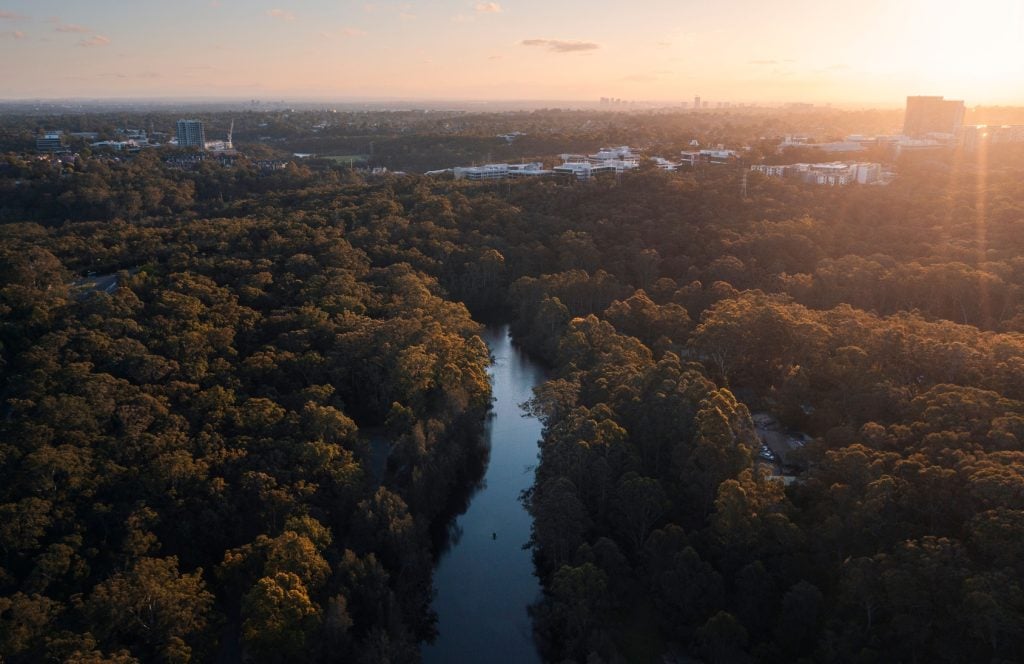
Stretching from Sydney to the Hunter Valley and Newcastle, the Great North Walk offers outdoor enthusiasts very different prospects, encompassing both urban streets and potential wildlife encounters.
The 250-kilometre route was created in 1988 and while the full walk incorporates challenging elements and takes about 16 days to complete, there are also numerous easy one-day options.
Completing the first section from Sydney’s CBD to Boronia Park offers the perfect opportunity to absorb the old-world charm of Woolwich and Hunter’s Hill on Sydney’s North Shore. Six kilometres one way, this walk is rated easy to moderate and takes only a few hours if you are not tempted by one of the area’s many popular bakeries and cafés!
Walkers begin their adventure at Macquarie Place and the obelisk which served as the original ‘zero mile’ marker for principal roads built in NSW for almost 200 years. Then comes a ferry ride across Sydney Harbour to Woolwich Wharf where the trail picks up again, passing through historic streets.
Later sections of the walk offer the opportunity for adventure. Traversing dense bushland, the challenging tracks are not for the faint-hearted, and planning is essential, but you’ll be rewarded with spectacular scenery. Expect rugged sandstone cliffs, mangrove swamps, plunging valleys of eucalypt forest and Aboriginal rock engravings.
Find out more and plan your visit.
Great West Walk
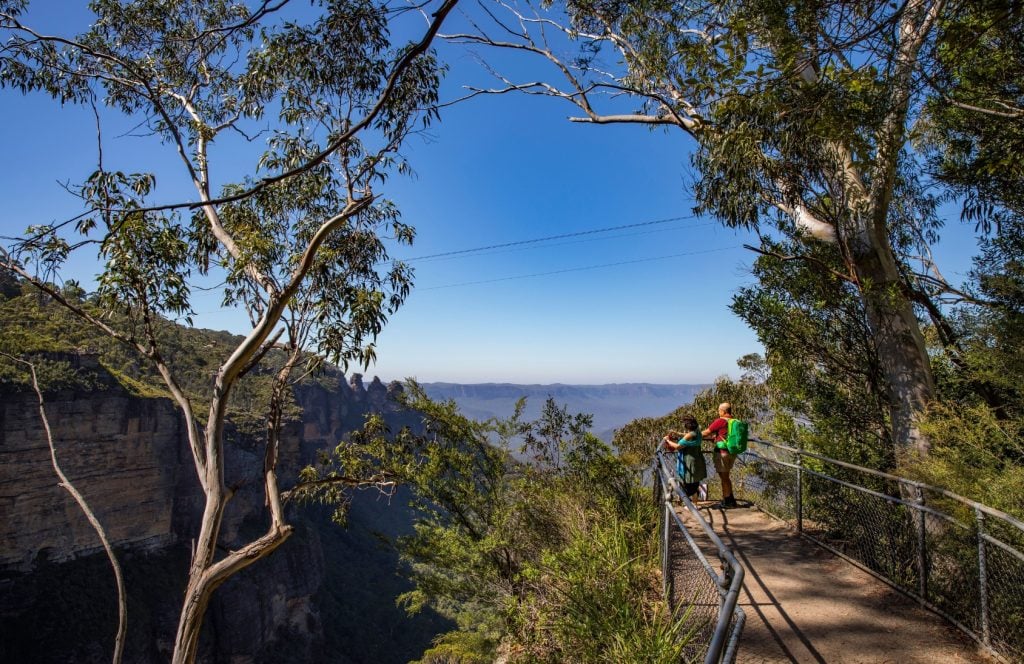
Another trail that combines iconic urban landscapes and spectacular scenery is the Great West Walk. Stretching from Parramatta to Katoomba, an 80-kilometre extension was added to the walk in 2022, taking in spectacular locations in the Blue Mountains. Although rather than tackling the thousand-metre elevation, most walkers opt to descend from Katoomba to Emu Plains
Despite its mostly urban setting, the eastern half of the route provides surprising reminders of the farming and grazing that once occupied land in western Sydney, and passes through protected Cumberland Plain woodland, public parklands and local river systems.
Some of Australia’s oldest architecture features among the highlights of the Great West Walk, including National Trust property Old Government House at Parramatta. Closer to the other end of the trail is another National Trust place, Woodford Academy, built on the lands of the Dharug and Gundungurra people.
The oldest complex of colonial buildings in the Blue Mountains, Woodford Academy began life as an inn in the 1830s. Its multi-layered history includes years as a gentleman’s country retreat, guest house, and an exclusive school, which operated from 1907 to 1936. Today, the property regularly hosts an innovative program of art events, performances and talks.
Find out about the Great West Walk or plan your visit to Old Government House or Woodford Academy.
Hume and Hovell Track
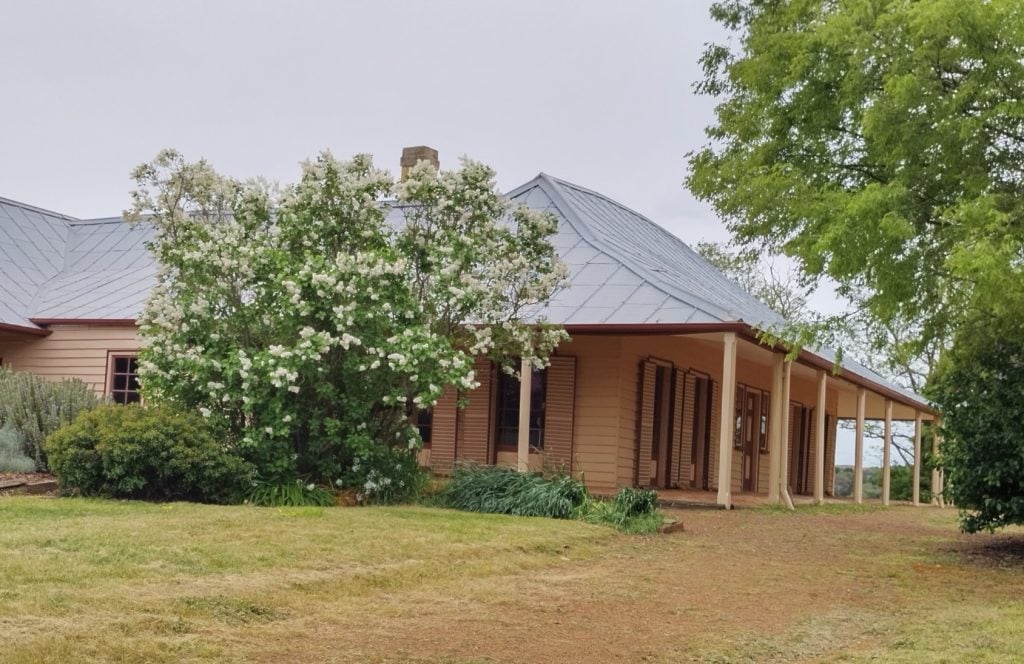
The Hume and Hovel Track is often described as one of the State’s best kept secrets. The 426-kilometre route starts at the National Trust’s Cooma Cottage, home of Australian-born explorer Hamilton Hume, who reportedly fell in love with the location when he camped there during his expedition to Port Phillip in 1824.
After initially missing out on selecting the site for his own pastoral ventures, he later purchased the land and cottage, expanding the complex of buildings visitors see today. From Cooma Cottage, the track follows as closely as possible the route Hume and William Hovell took to Albury.
Tackling the entire distance demands a commitment of 18 to 26 days, incorporating both easy and strenuous stretches that embrace stunning countryside views, as well as forests and wetlands.
If completing the full track isn’t an option, the first section covers about 72 kilometres. Graded easy for the entire length, it takes about 25 hours to complete, making it suitable for a long-weekend ramble, with rest and campsites conveniently spaced along the way. The route passes through the beautiful Burrinjuck Nature Reserve. Hikers cross Lake Burrinjuck by boat before resuming the trail near Cathedral Rocks. Bookings are essential for the boat service which does not operate every day.
This section of the walk ends at the Fitzpatrick Trackhead, named after James Fitzpatrick, one of six convict servants who accompanied Hume and Hovell on their expedition. Transported from Ireland for an offence under the Insurrection Act, he was given a Ticket of Leave because of his contribution.
Find out more at humeandhovelltrack.com.au or plan your visit to Cooma Cottage.
Discover more
Want to explore more places in NSW? Sign up to our free newsletter for the latest news, events and day-trip ideas from the National Trust.
 Facebook
 Linkedin
 Email
Email