Cemetery Conservation
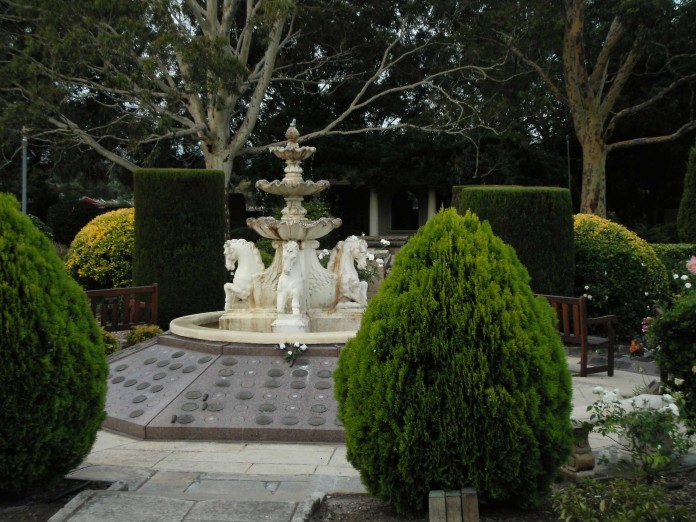
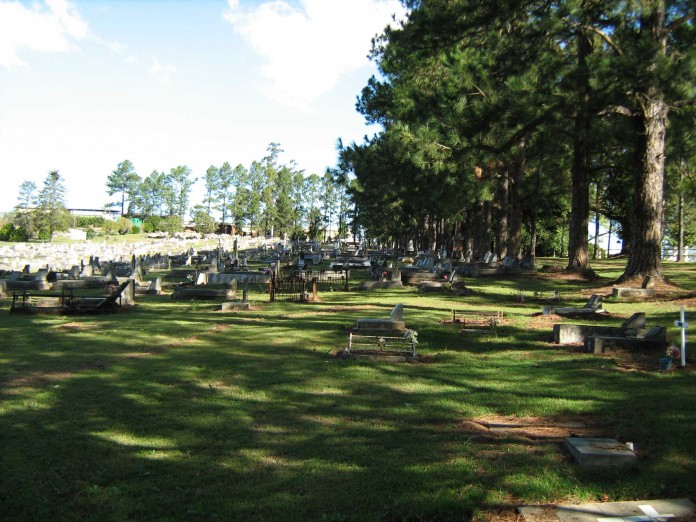
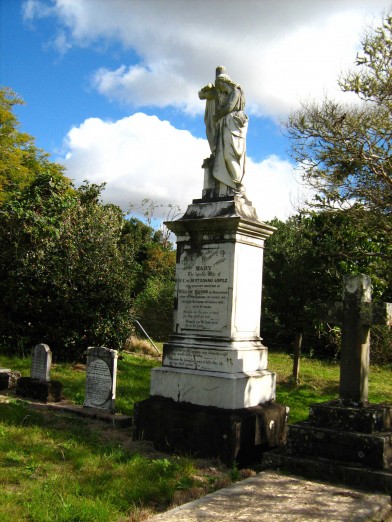
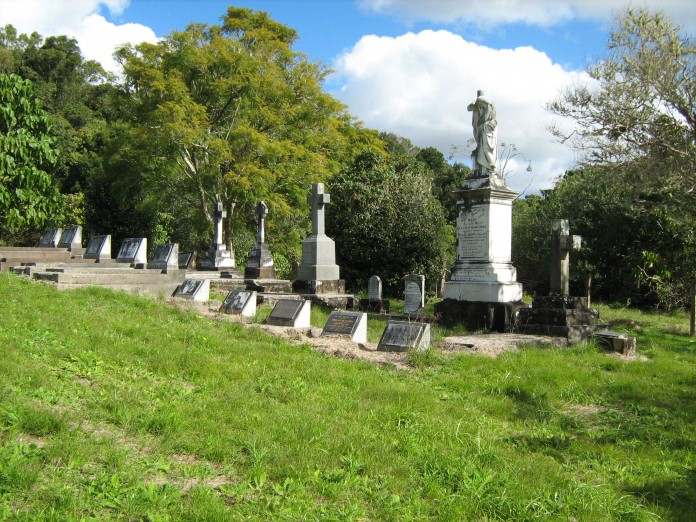
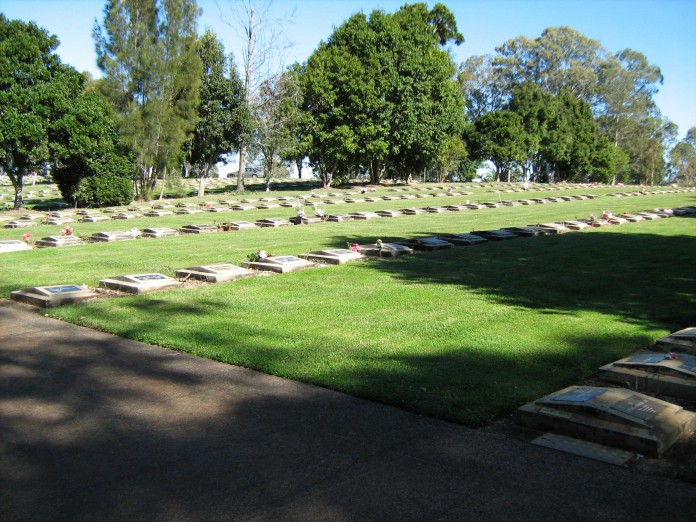
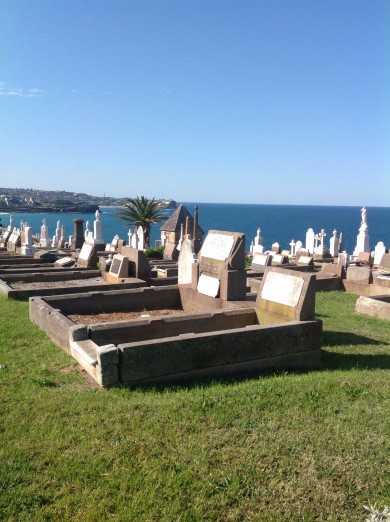
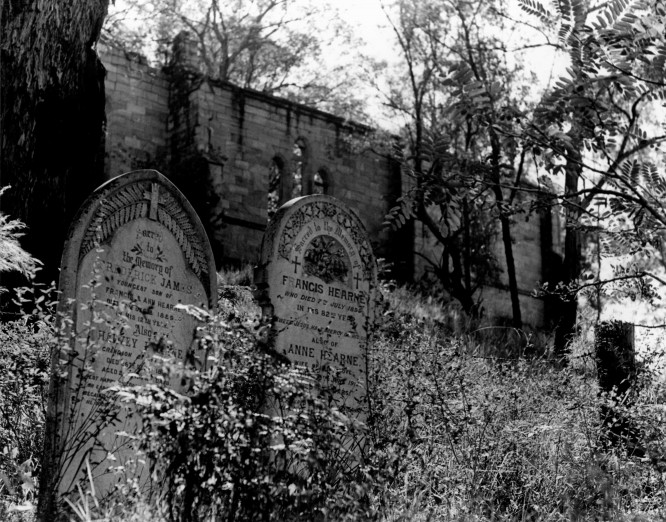
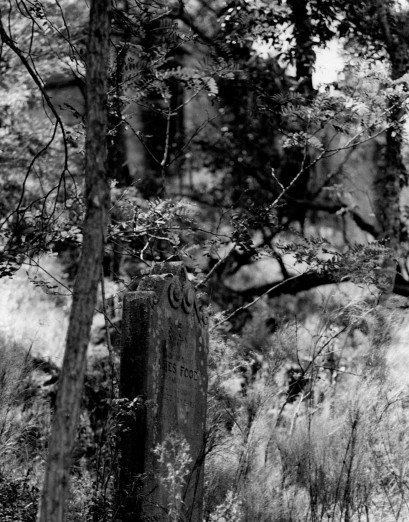
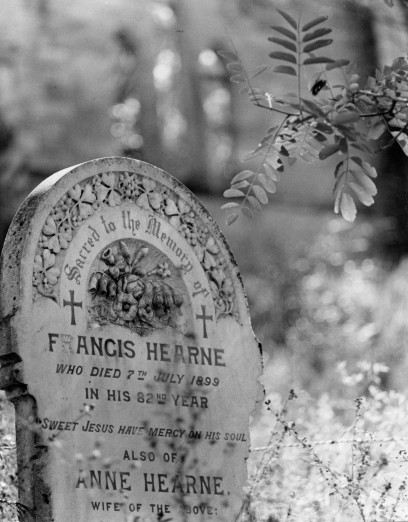
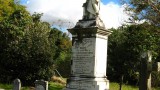
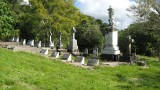
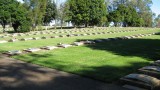
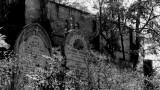
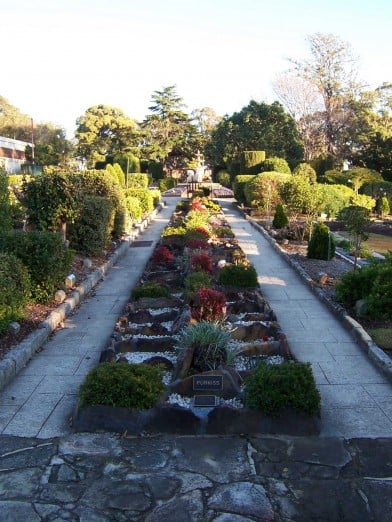
Cemeteries are an important part of Australia’s past. The monuments of our ancestors provide a history of the nation’s growth and a valuable insight into its development. Cemeteries may be the only place where a person’s life is recorded. Many cemeteries are examples of formal garden design with landscape elements seldom seen outside public gardens. Unusual examples of art and craft are also found in the design of many monuments which portray views of death often quite different from current customs. Recent sections of old cemeteries and even burial grounds with no ‘old’ monuments also provide valuable social documents of history and changes in taste, custom and design.All cemeteries have social and historic value and potential cultural significance. A cemetery is generally considered to be of cultural significance if it has historic, social, artistic, religious, genealogical, creative/ technological, landscape, botanical or representative significance. Some cemeteries are significant to the nation at large, some to a religious or ethnic group or a region, some mainly to a single family. Conservation of cemeteries means retaining this significance. |
| Download the National Trust Guidelines for Cemetery Conservation (2nd edition) |
Cemeteries Master List |
| In 1981, the National Trust of Australia (NSW) set a goal to record all known burial sites in NSW. Our aim was to identify, document and assess the significance of over 4000 burial places and to understand and record their historical and cultural value for the community, indeed for the nation, and to promote their conservation. |
| Find out more and Search the database. |
Cemeteries Conservation Committee |
| The National Trust is involved in identifying and conserving cemeteries and historic graves throughout New South Wales. The term ‘cemetery’ is used to include lone graves, churchyards and family burial grounds as well as large general cemeteries. The Cemeteries Conservation Committee covers various fields including archaeology, architecture, cemetery management, landscape design, art history, genealogy, materials conservation, stone masonry and town planning. The Committee meets regularly to consider specific issues and to assess the cultural significance of burial grounds. For some years it has conducted regular inspections of cemeteries as part of a state wide survey under a grant from the NSW Heritage Office. |
| The Committee aims to: |
|