National Tree Day marks the opening of Nominations for the 2026 Victorian Tree of the Year competition.
Across the state, trees shape our landscapes, contribute to biodiversity and wellbeing, and tell stories of Victoria’s history and the enduring connections between people and place. From towering native gums and historic specimens that have become local landmarks, trees are an essential part of our natural ecosystem and cultural heritage.
Many of these remarkable trees are recognised through the National Trust’s Significant Tree Register, Victoria’s most comprehensive record of important trees. A significant tree is often much more than a botanical specimen. It may be a witness to local history, a gathering place for communities, a landmark that has shaped the local landscape, or a cherished feature of the neighbourhood.
This National Tree Day, the National Trust of Australia (Victoria) is inviting Victorians to celebrate these remarkable living treasures by nominating a tree from the Significant Tree Register for the 2026 Victorian Tree of the Year.
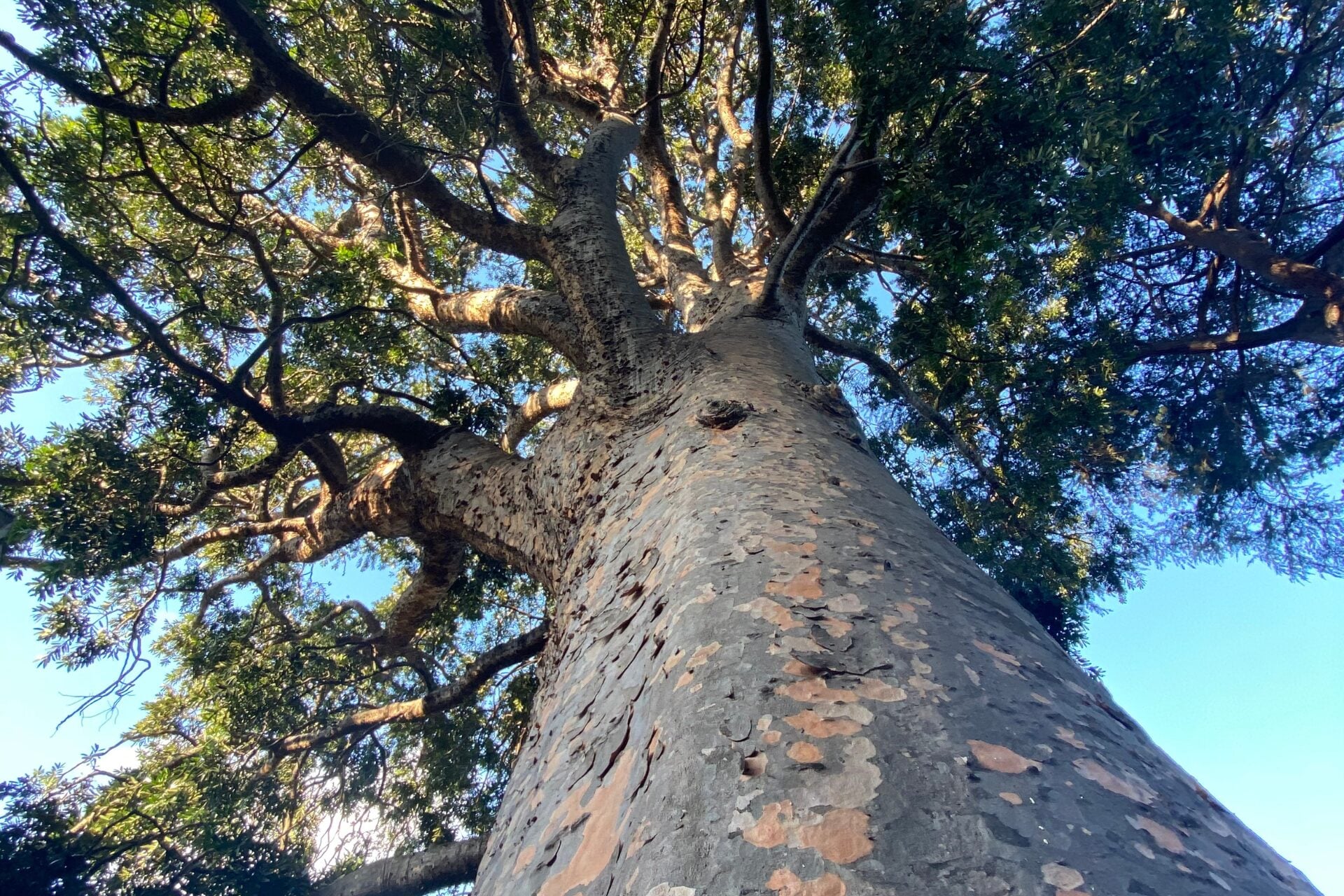
Image: Queensland Kauri Pine, 2024 Tree of the Year finalist.
Why Trees Matter
Trees are not simply a picturesque addition to our cities and towns; they are essential infrastructure helping to combat climate change and provide critical health and wellbeing benefits.
Every day, trees provide benefits that improve our communities, including:
- Cooling during heatwaves
- Improved mental health and wellbeing
- Shade and shelter
- Cleaner air
- Carbon storage
- Wildlife habitat
- Reduced energy use
- Opportunities for recreation and community connection
As Victoria faces hotter summers and growing urban populations, mature trees and healthy urban canopies are becoming increasingly important for creating liveable communities.
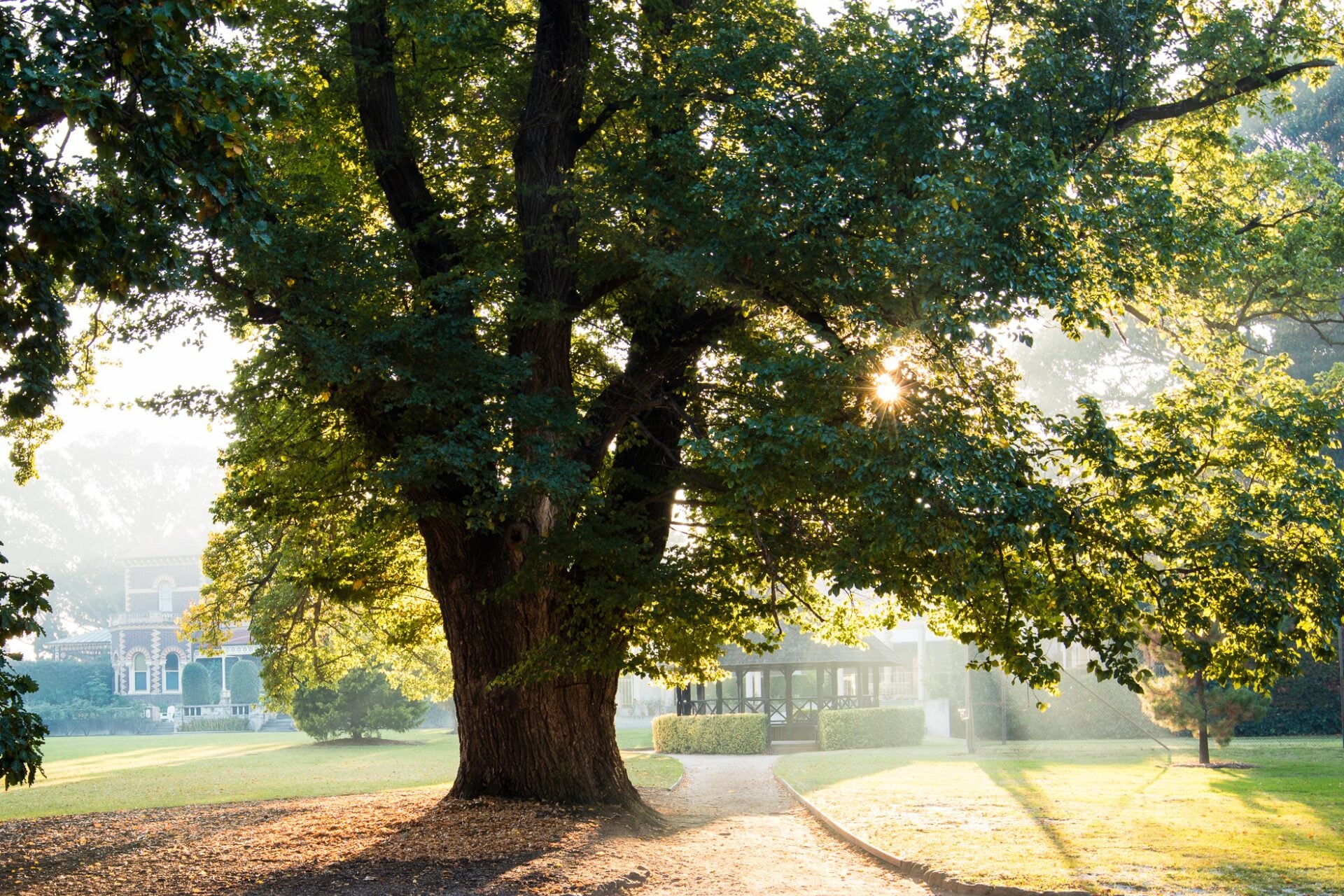
Image: Rippon Lea Estate.
Nature’s Solution to a Changing Climate
Trees play a critical role in helping communities respond to the impacts of climate change.
By absorbing carbon dioxide from the atmosphere, trees help reduce greenhouse gas concentrations. Their canopies can significantly lower temperatures in urban environments, helping combat the urban heat island effect that makes cities hotter than surrounding areas.
They also provide resilience by improving air quality, reducing stormwater runoff, supporting biodiversity and creating cooler, greener places for people to gather.
When we plant, protect and care for trees, we are investing in a healthier and more sustainable future.
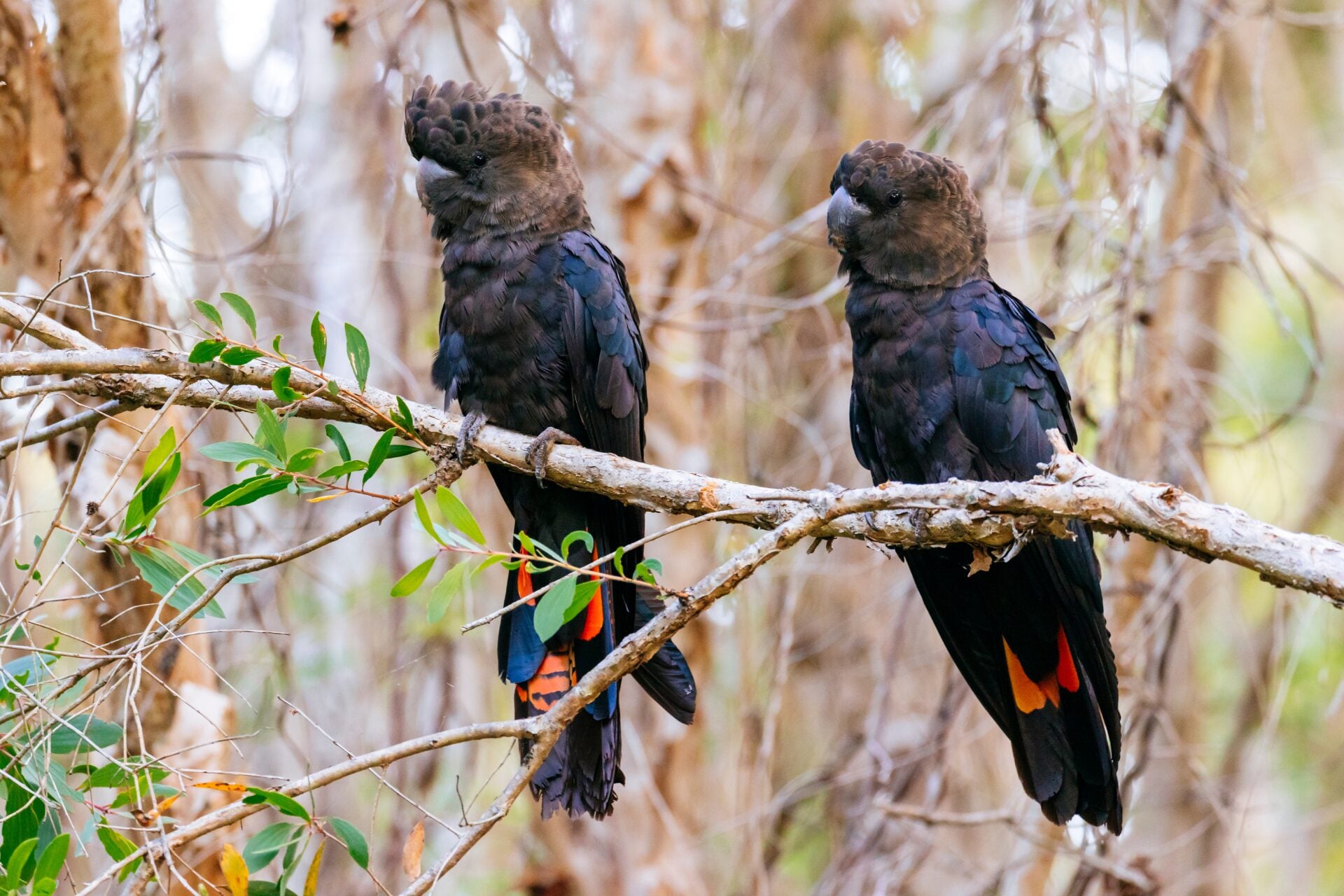
Image: Glossy Black Cockatoos. Getty Images
Supporting Biodiversity
Every mature tree is an ecosystem.
In themselves they contribute to our State’s biodiversity: we are lucky enough to have both remnant trees from before colonisation and exotic trees that are rare or endangered in their natural environments. In appropriately supporting a diverse range of species we not only create more interesting landscapes, but support a wider range of habitat for other lifeforms, and inform how we can best adapt to climate warming.
Trees provide food, shelter and nesting sites for birds, mammals, insects and other wildlife. Large old trees are particularly important because they offer habitat features that younger trees often cannot replicate for decades or even centuries.
From majestic River Red Gums to rare exotic specimens in public gardens, significant trees contribute to Victoria’s rich biodiversity and help sustain local ecosystems.
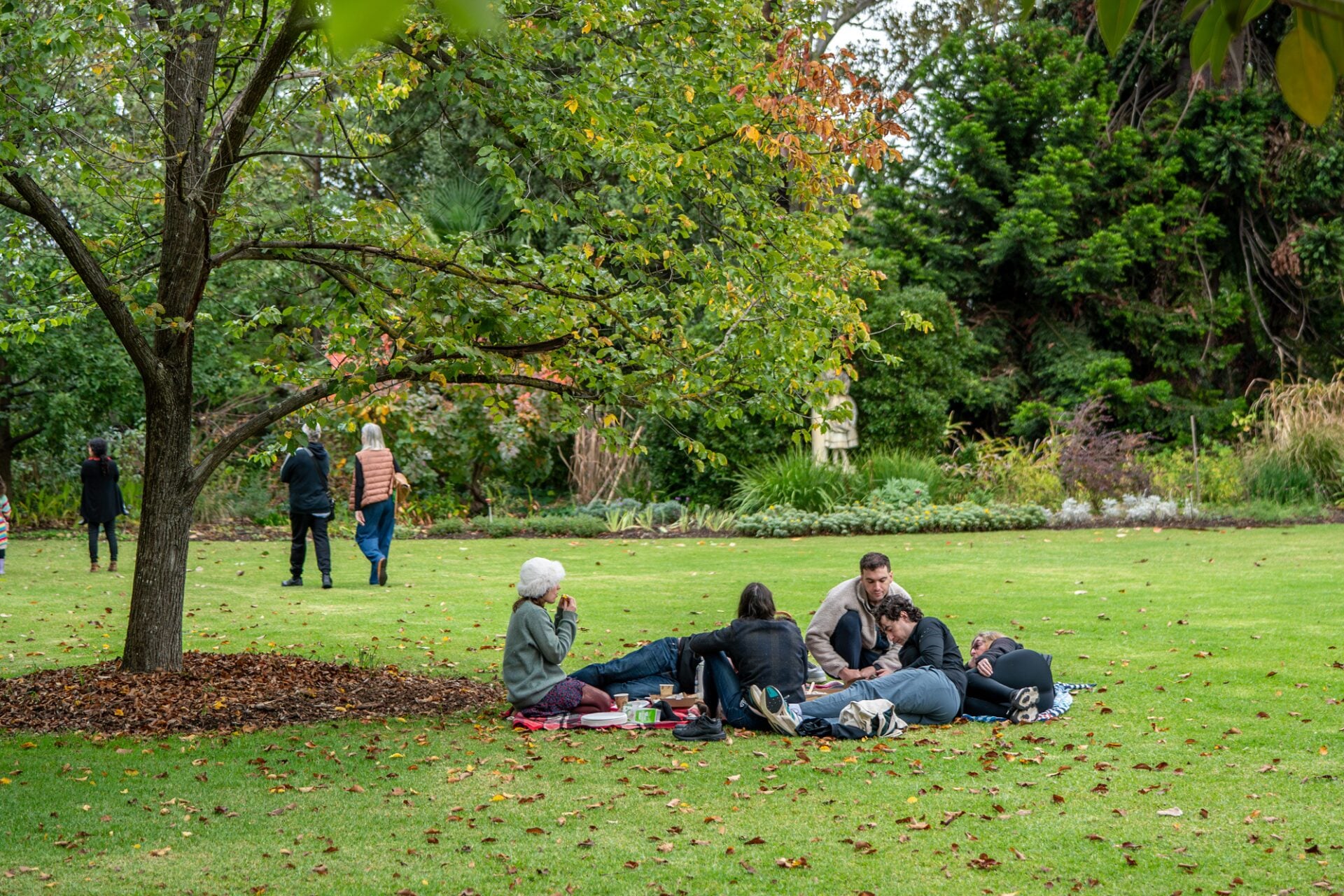
Image: Rippon Lea Estate. EDT Studio
Trees and Wellbeing
Research continues to demonstrate the positive relationship between access to nature and human health. Spending time around trees and green spaces has been linked to reduced stress, improved mood and stronger feelings of community connection.
In many urban areas where private gardens are becoming smaller or disappearing altogether, public trees provide vital opportunities for people to connect with nature.
Whether it’s the tree outside your childhood home, a favourite parkland giant or a historic tree in your local town, many of our most treasured memories are intertwined with trees.
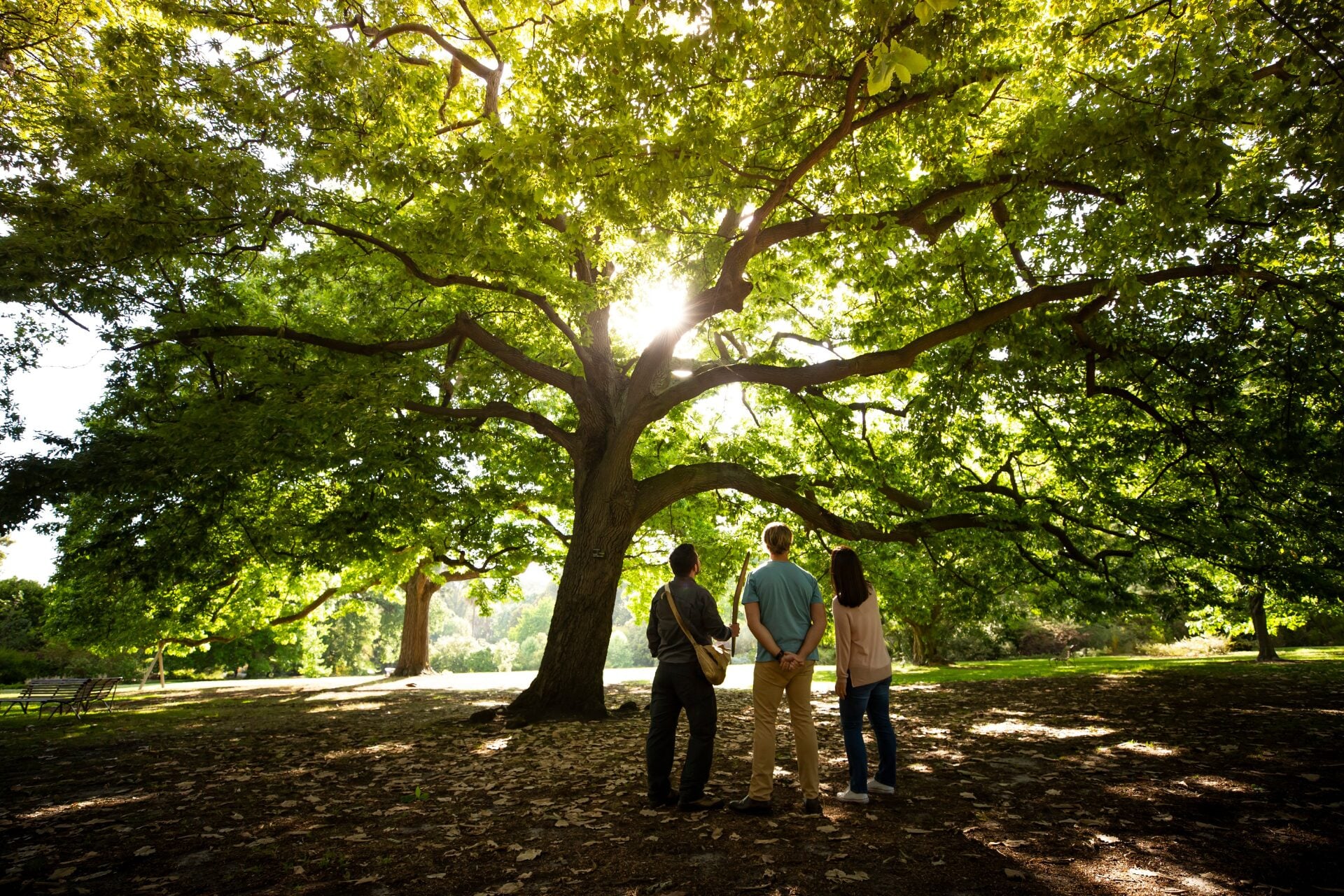
Image: Aboriginal Heritage Walk through Royal Botanic Gardens. Visit Victoria.
Living Heritage Worth Protecting
For more than four decades, the National Trust of Australia (Victoria) has been advocating for the protection and recognition of significant trees through the Significant Tree Register.
Established in 1982, the Register is Victoria’s most comprehensive record of important trees, with more than 30,000 trees recorded across over 1,500 locations. Trees are assessed for their scientific, aesthetic, historical and social significance, helping ensure their stories are documented and celebrated.
These trees are living heritage assets. They deserve the same recognition and care we afford to historic buildings, landscapes and cultural places.
Nominations Now Open
Nominations for the 2026 Victorian Tree of the Year competition are open from 26 July to 30 August.
To nominate a tree or learn more about the competition, visit: www.nationaltrust.org.au/treeoftheyear
Together, we can celebrate, recognise and advocate for the trees that make Victoria such a remarkable place to live.

 Facebook
 Linkedin
 Email
Email