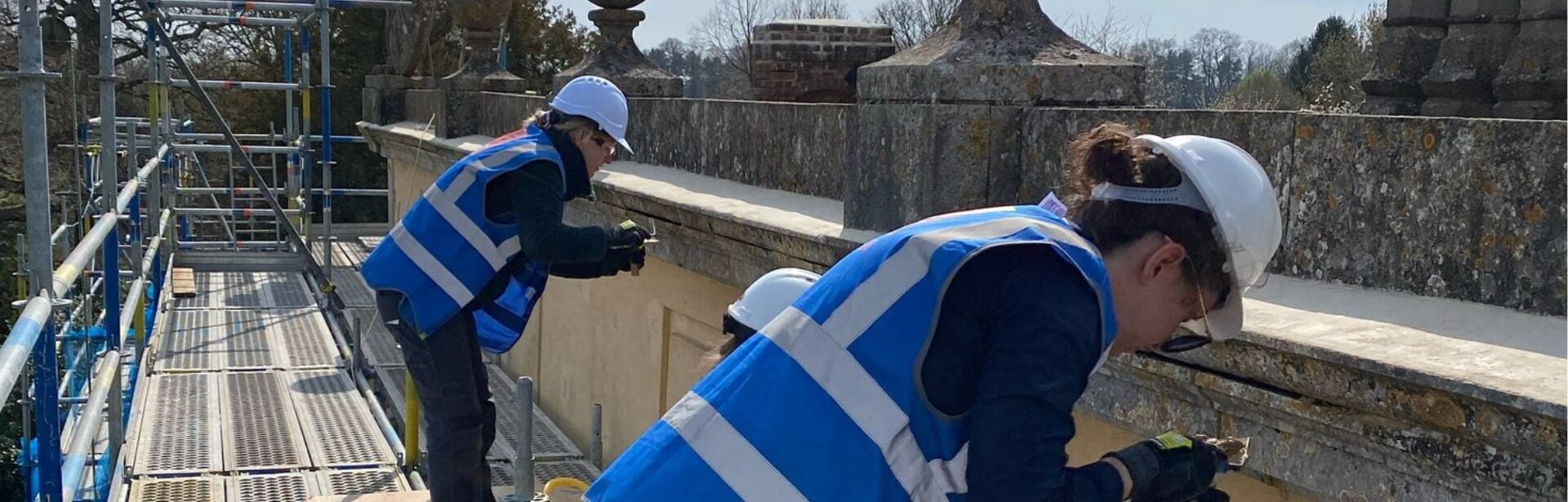
Three early-career heritage professionals share why heritage still matters and how they’re shaping its future. From traditional craft to adaptive reuse, their perspectives reveal how the next generation is keeping conservation relevant and connected to younger Australians.
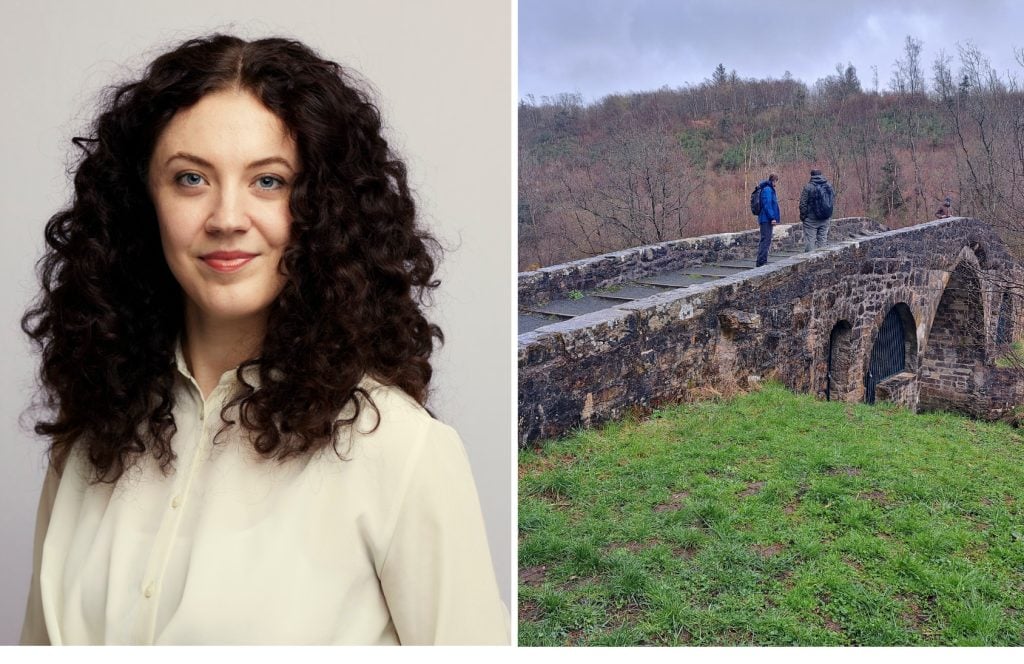
Olivia Britt
Senior Structural Engineer, TTW
Oliva’s cross-disciplinary studies in engineering, heritage and architecture come together in her work as a structural engineer at consultancy firm TTW. She studied in the UK as a recipient of the 2025 Society for Protection of Ancient Buildings (SPAB) Scholarship for early-career architects, engineers and building surveyors working in the conservation industry.
Tell us about your experience in the UK as a SPAB scholar.
The program involves a nine-month trip around the UK and Ireland to visit conservation projects and learn from industry professionals and craftspeople about best practice in the conservation industry. We saw how works were carried out and spoke to professional consultants and contractors about how they manage various aspects of conservation projects.
What have been the highlights so far?
Undoubtedly, it’s the access we had to amazing places and people that would not normally be available to us. At Canterbury Cathedral, we were able to visit the stonemasons in their workroom, and at Westminster Abbey we went into the roof cavities to see past work that has been done.
How will this experience help your understanding of heritage in Australia?
Many of Australia’s older colonial and post-colonial buildings follow English patterns of building and we use similar materials and techniques for traditionally constructed buildings. This opportunity helped me gain a more detailed understanding of traditional construction methods and the conservation and repair methods that work best for them.
What changes would you like to see in the heritage sector over the next decade?
I’d like to see more involvement from all areas of our community and an understanding that using our good existing buildings is a viable way to go, that heritage and progress are not in opposition to each other. Good conservation work and reuse can be done in the one project and we can re-use our existing building stock sensitively to meet current needs.
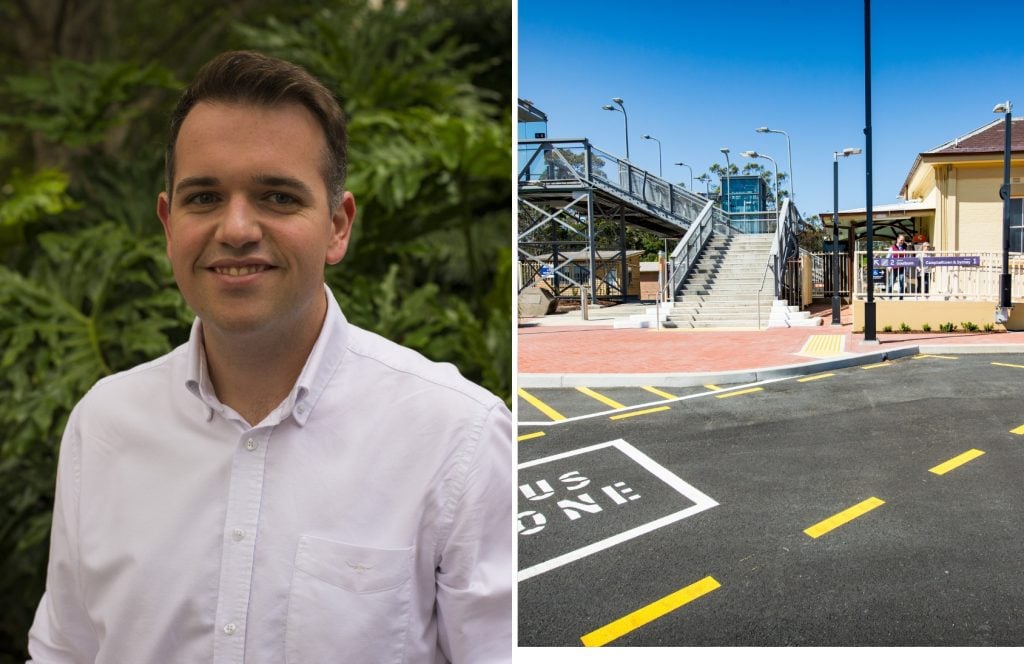
Steven Barry
Heritage Specialist, Transport for NSW
For Steven Barry, heritage is not just about preserving the past, it’s a vital tool for tackling the future. Awarded the 2025 National Trust Heritage Awards’ Young Achiever title, Steven was recognised for his authorship of the Sustainable Heritage Buildings Guide, a significant contribution to sustainable conservation practice.
In what ways can heritage practice integrate sustainability principles?
Eighty per cent of the buildings we have today will still exist in 2050. While they’re not all heritage buildings, it’s important for us to realise they have an intrinsic value. Heritage practitioners are uniquely placed to facilitate the considered adaptation of a lot of these places, which is going to have to happen over the coming years. The opportunity that exists across the built-environment disciplines to work together and drive the sustainable retrofit of existing building stock is immense.
How do you approach heritage in your work at Transport for NSW?
Transport for NSW is increasing the capacity of the existing rail network, with a strong focus on accessibility. But a lot of the network is fairly old and some of it is heritage-listed, dating from the early 20th century when railways expanded. So the exciting challenge is finding a balance between heritage outcomes and the operational needs of our ever-increasing transport network.
Which projects are you most proud of?
Mittagong Railway Station is one example. It had a footbridge dating back to the early 20th century and we needed to provide an accessible route across with access to both sides of the station, which meant the introduction of two lifts. We worked very hard with the design team to refine that structure, right down to the detail of the concrete pours, which reflect the trestle design of the existing footbridge.
What role should heritage play in modern life, particularly for younger generations?
One way to engage young people is by showing that this is part of the solution to the serious problems we face with climate. Living with heritage doesn’t mean putting up with less than adequate places to occupy, but actually having that connection to the past can be fantastic. It’s our responsibility to deliver places that are vibrant and engaging through well-conserved heritage buildings that are preferred to what else is on offer.
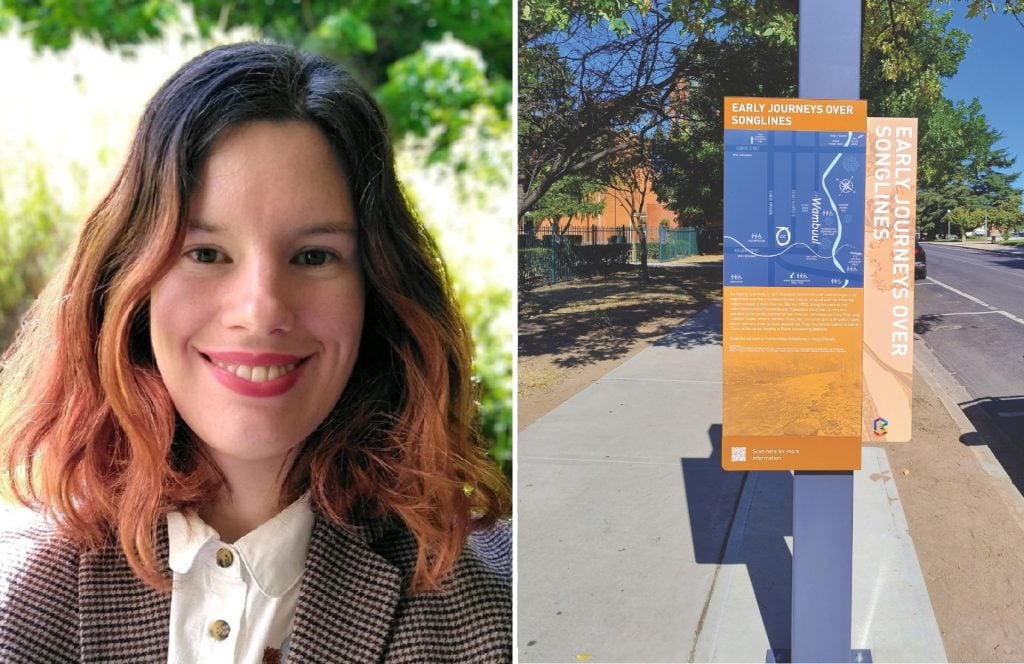
Tamsin McIntosh
Senior Heritage Planner, Bathurst Regional Council
In her five years at Bathurst Regional Council, Tamsin has helped embed community voices, Aboriginal perspectives and landscape values, championing a more inclusive and regionally grounded approach to conservation and heritage storytelling.
How does working in a regional area inform your approach to heritage?
One thing we consider is how to incorporate more Aboriginal heritage assessment in our planning. Council consults with the local Wiradyuri groups about culturally significant places, particularly Mount Panorama Wahluu. As well as the regional, we also cover rural areas that are frequently untouched and require considerations about landscape heritage.
Tell us about a project that you’re proud of.
We’ve just completed a two-year wayfinding project around the CBD connecting places to the people who helped build Bathurst. They tell diverse stories of Irish colonial women, Chinese history and Wiradyuri heritage, including a songline that goes from Macquarie-Wambuul River to Wahluu. Existing signage tells how Bathurst was founded in colonial times but these signs tell the Wiradyuri side of it, noting that the path used by the explorers followed the footsteps of Aboriginal people.
Have you learnt anything surprising about Bathurst’s built heritage?
There is a small 1950s apartment block that I find very exciting, though some locals call it the Tissue Box. We discovered it was an early design by the prominent mid-century architect Neville Gruzman, who went on to build many concrete precast buildings in Sydney, some of which are now heritage-listed. As far as I can tell, this is the only one of his buildings in Bathurst, and it’s particularly significant because it’s a timber construction.
How do you keep the Bathurst community engaged in heritage?
It can be challenging in a regional area to engage with young people because once they hit university age, many do leave. I see opportunities to engage with them on the social heritage side of things. Aboriginal heritage is important to many people here and for me, queer heritage is also very important. Connecting over those social aspects of heritage can help us all.
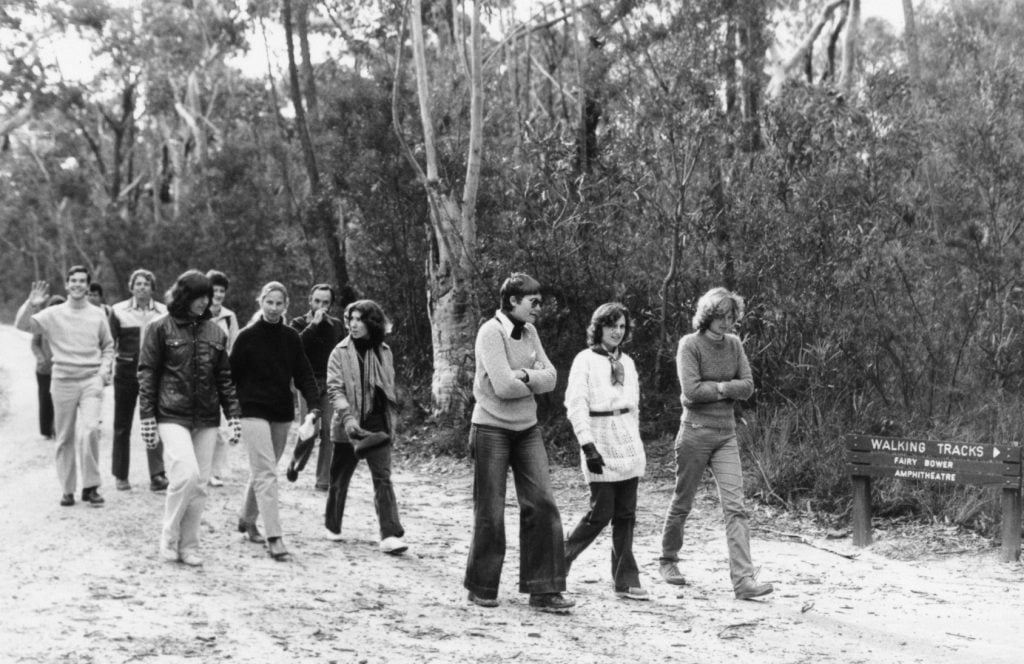
The original young voices
This photograph from the National Trust Archives shows the Junior Group, a passionate and committed cohort of young people set up in the 1960s. Here, members of the group are seen on one of their weekend tours in 1980, which typically took in heritage sites and pub visits.
 Facebook
 Linkedin
 Email
Email