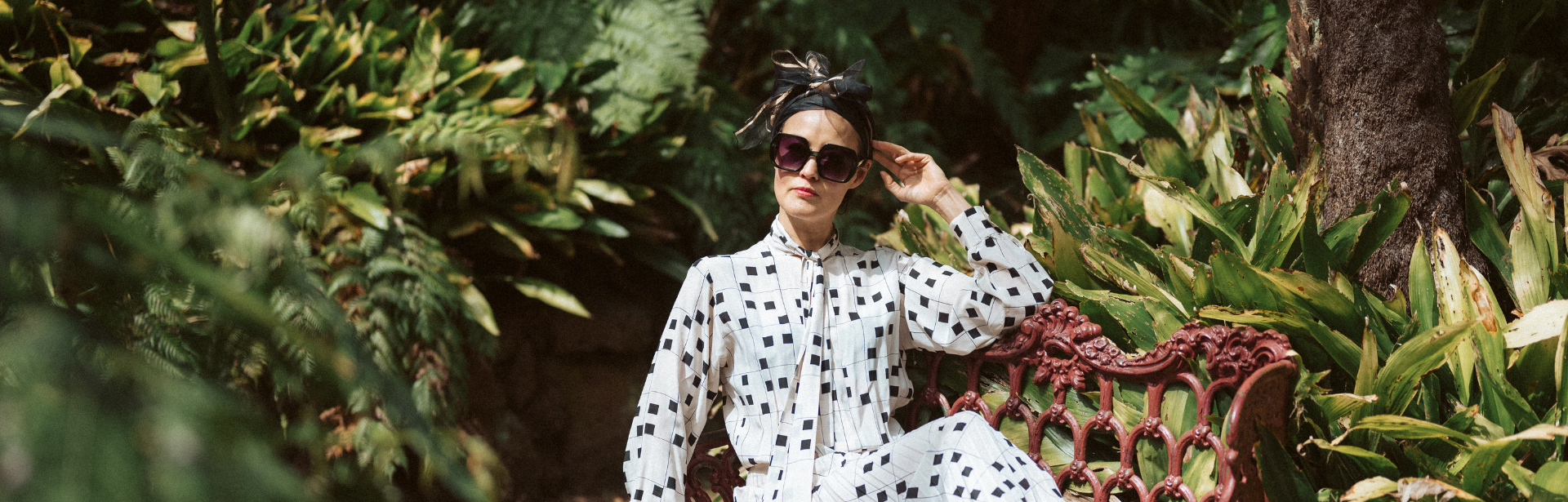
Fashion trends are not something that particularly interest me, but it turns out that I’ve unwittingly been following a recent hot trend for years. Vintage fashion is officially in, according to style forecasters and such lofty sources as Vogue magazine.
As someone who’s shopped nearly exclusively second-hand for decades, I’m surprised it’s taken this long for a love of vintage to go mainstream, but if you’re just discovering it, you are in for a fabulous time! My own vintage journey started back in the early 90s, when the grunge movement made second-hand clothing cool and I started to supplement my wardrobe with cheap opshop finds. When I moved to Tokyo at the end of that decade and started working in the fashion industry, I quickly became a regular at flea markets and neighbourhood charity shops, as their offerings allowed me to put unique industry-event-worthy outfits together on my minuscule budget. Simply put, second-hand and vintage fashion was, and still is, generally a lot more affordable than buying the equivalent item new, and often the fabric and construction of vintage pieces are a lot better than what is on offer these days.
While the great quality and lower prices of vintage fashion continue to be a drawcard for me, it’s the thrill of the unexpected that keeps me coming back for more. Most vintage lovers will attest to the high that comes from rummaging through racks and finding something super special that no one else has, and to the sense of wonder (and admittedly sometimes shock and disbelief!) from discovering designs from bygone eras. Add to this the compliments you’ll receive while wearing vintage – I can’t count the number of times people have admired some of my favourite finds. A vintage garment is a piece of fashion history, and by choosing it over and above currently trending items, you make a personal style statement. You don’t set out looking for vintage with a neatly defined shopping list, but rather with a mind open to limitless potential.
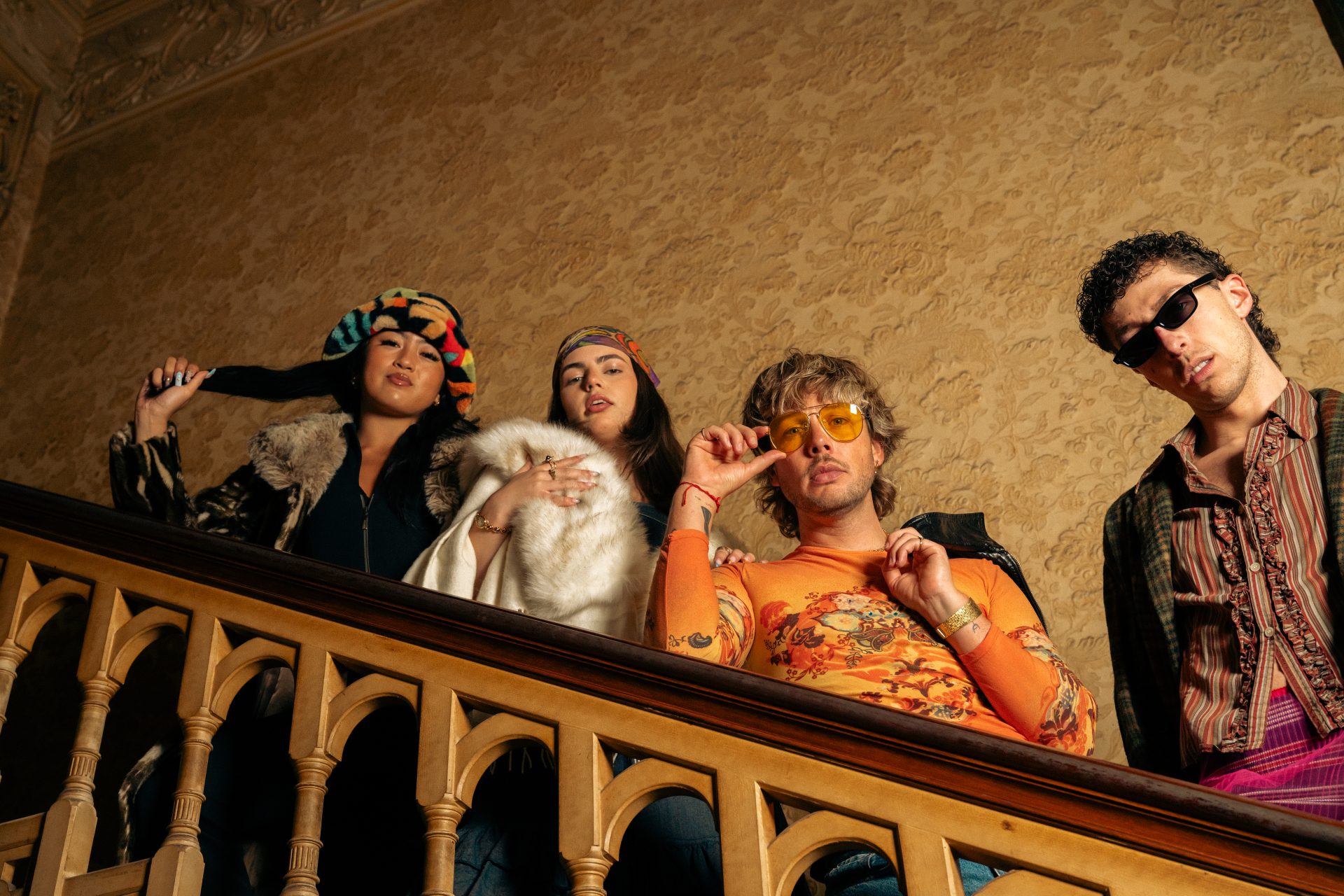
It’s not only personal style that benefits from the potential of vintage pieces. Our planet is also much better off when we choose to move away from fast fashion and towards more sustainable options. If, like me, you’re sick of reading about fast fashion and the plethora of problems it causes: the toxic soup of petrochemicals and toxins it often contains; the mountains of micro plastics shed by cheap synthetic fibres that end up in our water systems, the wildlife living in them, and in our own biological systems; the unthinkable carbon emissions from all the shipping – including not only the finished garment but all the suppliers and manufacturers involved in complex logistical chains; the tremendous amount of waste created by packaging; the poor (sometimes fatal) conditions and low (often illegal) pay of the garment workers who make the clothes… if all these things are getting you down, then you will definitely want to give vintage a go.
And while I wouldn’t normally dare to argue with Vogue*, I’d beg to say they’re wrong about vintage fashion being a mere trend. I think it’s here for good – in all senses of the word.
Ready to find your next (or first) vintage piece?
Don’t miss the 2026 National Trust Vintage Clothing Sale, happening on 21 & 22 March at Abbotsford Convent. With racks of unique garments, accessories, and upcycled gems, it’s the perfect opportunity to refresh your wardrobe sustainably. Plus, every purchase supports the National Trust’s work in conserving Australia’s heritage.
*My little inside joke: I was employed at Vogue Japan from 1999-2007
Leeyong Soo (@stylewilderness) is a sustainable style advocate, and Vintage Clothing and Collectable Sale Ambassador and Volunteer

 Facebook
 Linkedin
 Email
Email