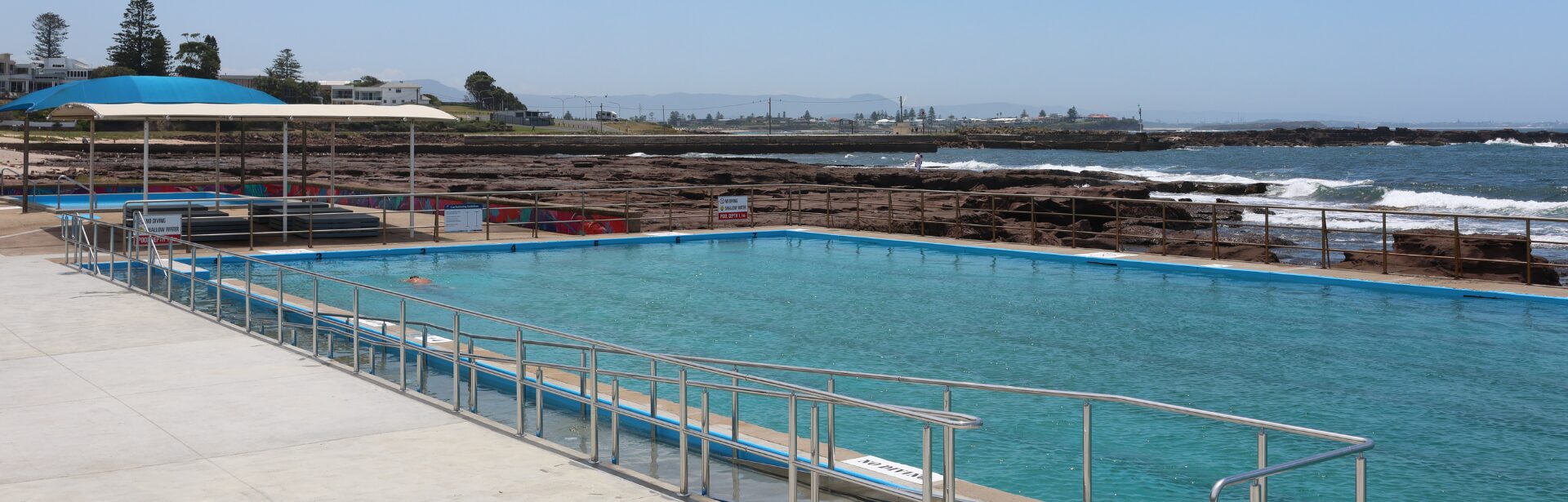
Part of conserving a heritage place is making sure it remains in good repair and able to be enjoyed by as many people as possible. This summer, we are celebrating conservation, care and upgrades to historic ocean pools throughout NSW.
According to the University of NSW, a large number of the world’s ocean pools are located along the coastline of NSW.1 Used for safe swimming along the state’s often tumultuous beaches, many of these sites were originally naturally occurring pools used by First Nations people.
The earliest records of European ocean pool structures date back to the early 1800s, with the Bogey Hole in Newcastle hewn out of the rock face by convicts to create a bathing space for a local commandant. Many more were constructed over the next century, with a huge influx during the 1930s as Depression-era community development projects.
Ocean pools provide significant social and recreational spaces for coastal communities in NSW, but many are facing the need for restoration around their centenary. Local councils have been undertaking various upgrades to maintain these places, increase their accessibility for equitable use, and address the effects of climate change upon these historic sites. The National Trust commends the ongoing conservation work of these incredible places.
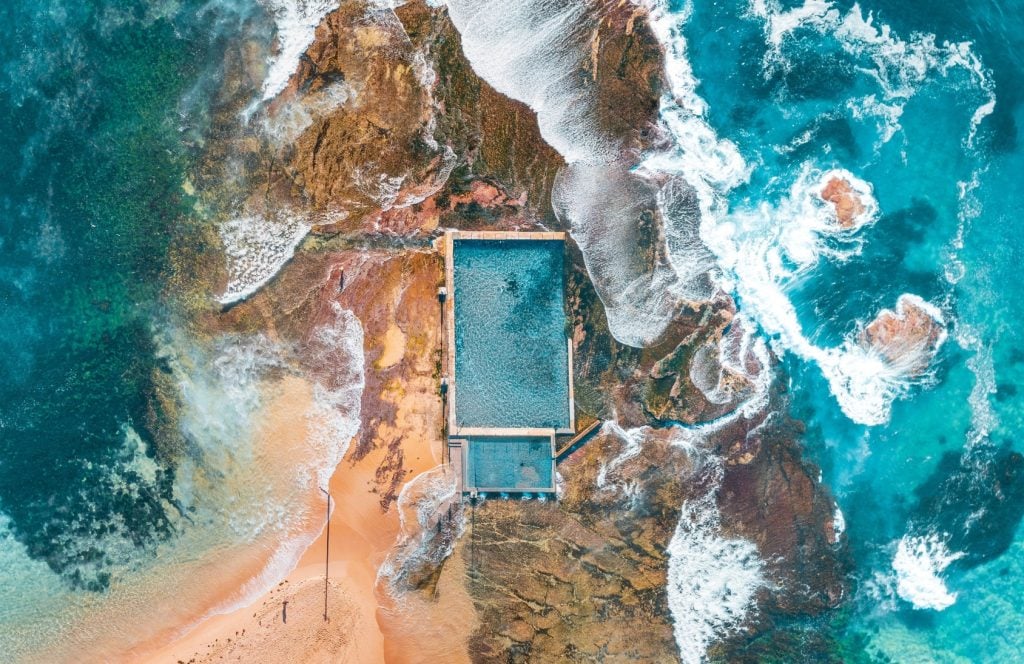
Mona Vale and Whale Beach Rockpools
The Northern Beaches Council reopened the Mona Vale and Whale Beach rockpools in time for Christmas last year, after undertaking extensive works including surface repairs, accessibility upgrades, and general repairs to both sites.
Both pools are listed on the National Trust Register for their history as part of the 1930s Depression era public works, as well as their social significance and unusual aesthetic design of having been hewn into the local rock shelf.
The Northern Beaches is home to many of the state’s ocean and tidal pools, stretching across 16 heritage listed sites from Manly’s Fairy Bower Sea Pool to the Palm Beach Rockpool. Almost a hundred years after their construction, the National Trust welcomes the ongoing conservation measures to these important community sites to ensure their continued use.
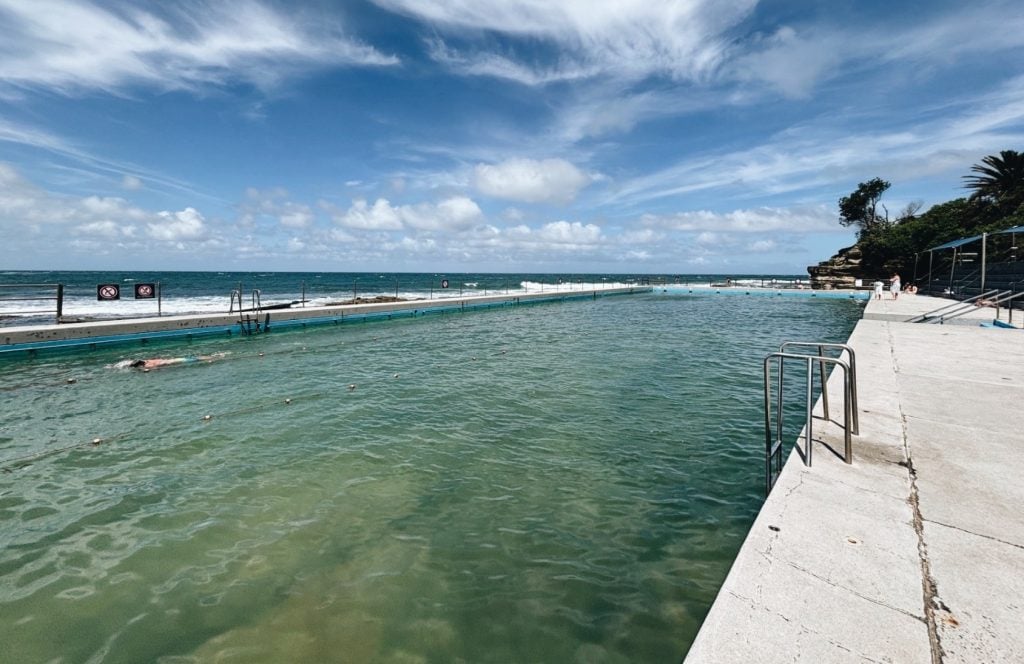
Grant McBride Baths, The Entrance
The State Heritage listed Grant McBride Baths on the Central Coast have also reopened after the installation of new shade sails and extensive upgrades to the water pumping systems.
The natural pool located along the coastal rock shelf was known as a fish trap to Darkinjung people, before it was developed into a complex of three pools from the 1930-60s. These pools demonstrate the development from natural to built-form rock pools, as well as the burgeoning swimming culture throughout NSW during the 20th century.
The baths are named for Grant McBride, local and former State member of parliament, who campaigned against the closure of the baths and their eventual listing on the State Heritage Register.
The National Trust commends the ongoing efforts of the Central Coast Council to care for their ocean baths.
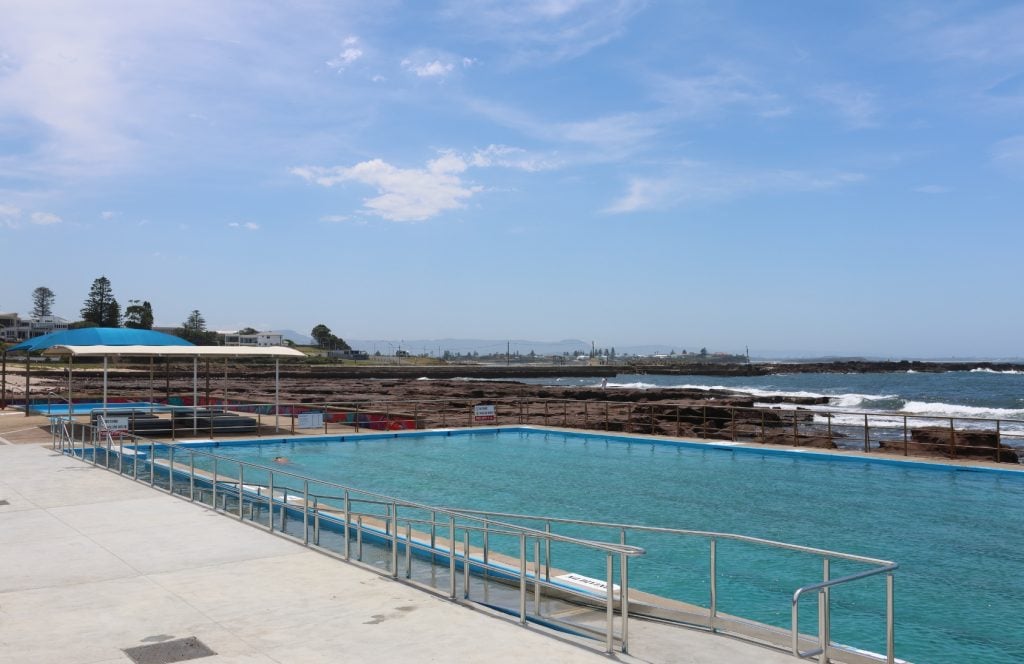
Beverley Whitfield Ocean Pool, Shellharbour
The Beverley Whitfield Ocean Pool has undergone works to permanently upgrade the accessibility of the pool with new ramps and stairs, as well as resurfacing and drainage repairs to ensure the safety of the pool into the future. Works were completed in December last year and the pool has now reopened for a refreshing saltwater dip.
The site of the pool has been used for swimming since at least 1895, when it served as a small tidal space for segregated bathing. As one of the longest used pool sites in the state it demonstrates the early development of ocean bathing for the people of NSW. In 1930, the pool was redeveloped into the current concrete design, Olympic-sized and ready to train star breaststroke swimmer Beverley Whitfield, for whom it was named. The pool remains a beloved community space for Shellharbour locals and tourists.
Geoff James (Clovelly) Pool
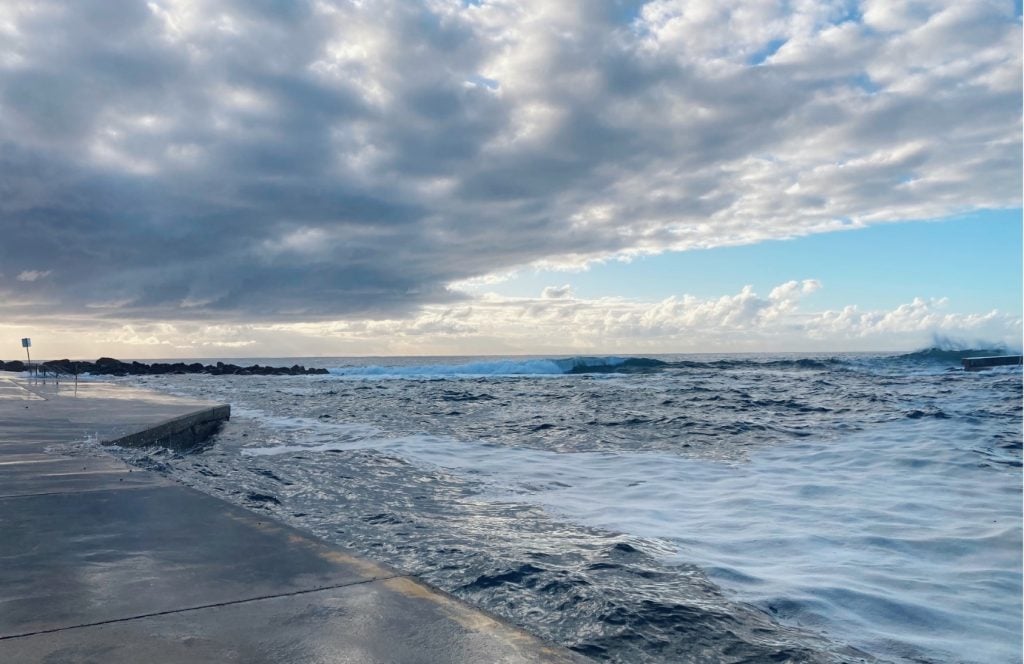
A monolithic concreted swimming structure set upon the natural stone coastline of Sydney’s Eastern Suburbs, the Clovelly Bay enclosure was constructed as a Great Depression relief project. The site consists of two enclosing shelves of concrete along Clovelly’s natural shore edge, creating a deep recreational bay. In 1962, a formalised concrete pool was built on the southern side, creating a safer, more sheltered, swimming space.
The Clovelly Bay enclosure, including baths was listed on the National Trust register in 1994, noting its historic, social and aesthetic significance of the site. The pool is named after local Geoff James who advocated for its construction as part of the Clovelly enclosure.
In 2025, the Randwick City Council undertook a project of upgrading the stair and balustrade entry to the pool, as well as resurfacing the whole of the pool in a new fibreglass lining. The pool reopened in November 2025 – and we commend the council on their efforts to update this heritage item to be accessible to more of its locals and visitors.
 Facebook
 Linkedin
 Email
Email
Congratulations and gratitude for helping to preserve these ocean pools, an essential part of our maritime and suburban heritage.
Great article, thank you! Do beaches in NSW lend themselves more to rock pool construction than beaches in other states of Australia? Curious to know if there are any other notable rock pools in the other states and what factors have influenced their presence (or lack of presence) elsewhere in Australia.