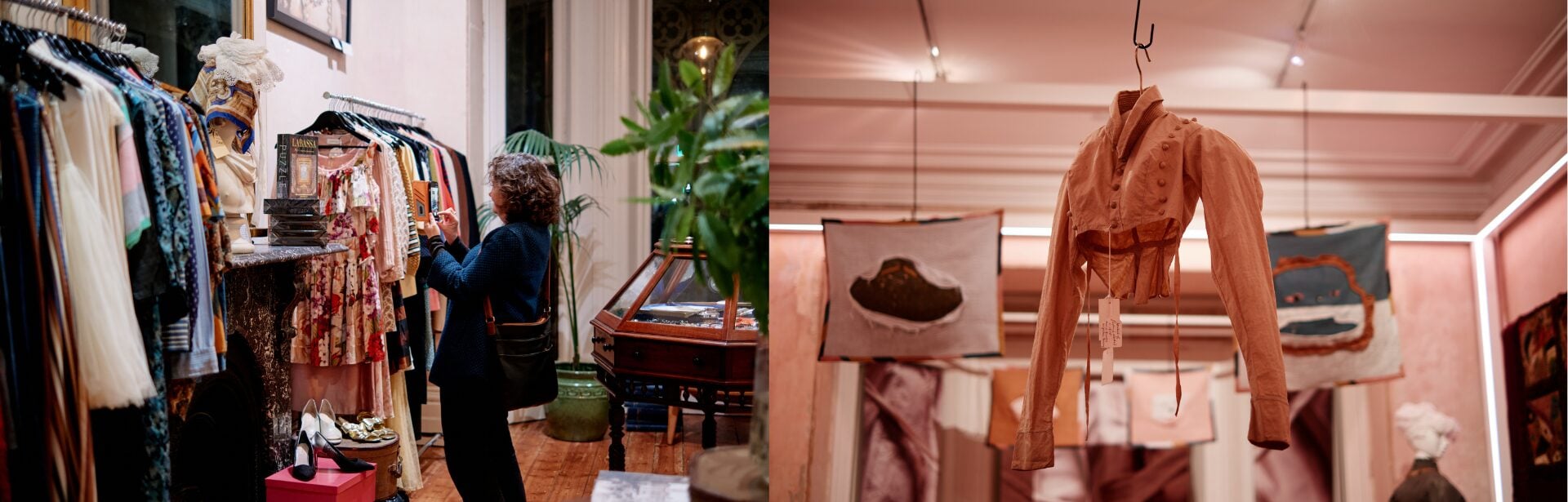
reFashion/transForm at Tasma Terrace is a sustainable fashion exhibition exploring how artists and designers transform fashion waste and discarded clothing into contemporary art, design and new materials. Presented as part of Melbourne Design Week, the exhibition runs until late July and features contemporary works alongside historical garments from the National Trust collection.
How Artists and Designers Reimagine Fashion Waste
reFashion/transForm investigates the radical possibilities that emerge when waste is reimagined as a resource and when discarded materials are transformed into new forms and meanings.
Pervasive garment waste is a difficult problem to tackle, and finding creative ways of reusing and reducing waste can be challenging. The exhibition highlights principles of circular fashion, textile recycling and creative reuse, with artists and designers exploring how post-consumer garment waste can be diverted from landfill and transformed into valuable cultural and design pieces.
Historical Garments Inspire Contemporary Sustainable Design
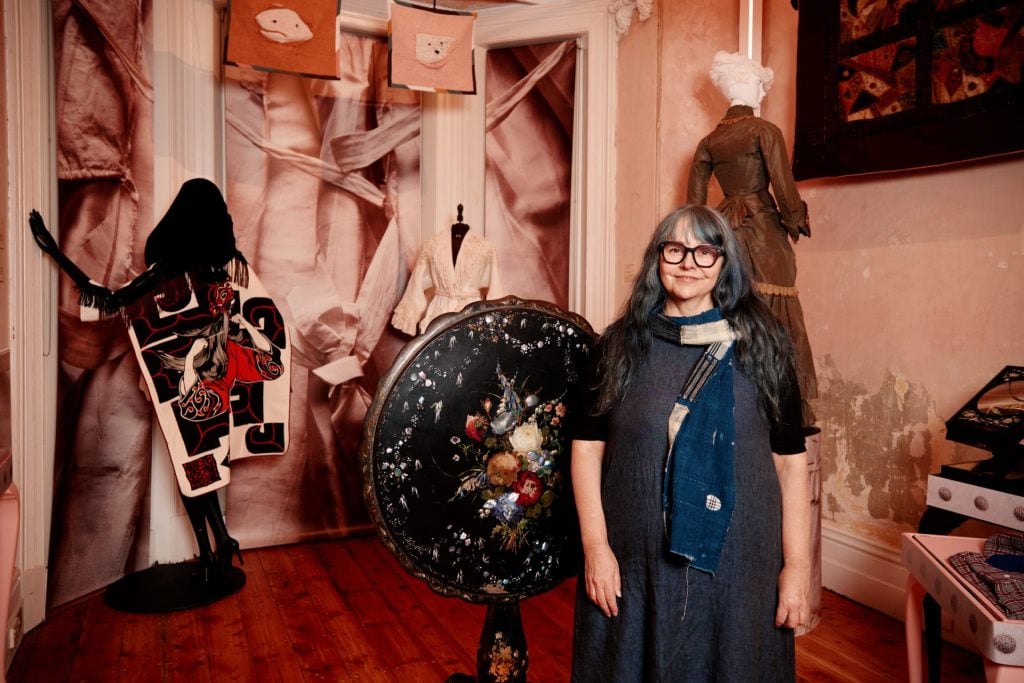
Historical garments found in the National Trust’s collection inspired the exhibition reFashion/transForm – in particular, a c.1815 Spencer repurposed from a pair of sailor’s trousers. Its story is a powerful reminder that refashioning and remaking are not new concepts. Long before fast fashion and mass production, people routinely altered, repaired and reused garments to extend their lifespan. By connecting historical practices with contemporary art and design, the exhibition considers how past approaches to clothing care, repair and transformation can inform present-day solutions to waste.
The Role of Rag Pulp in the Exhibition
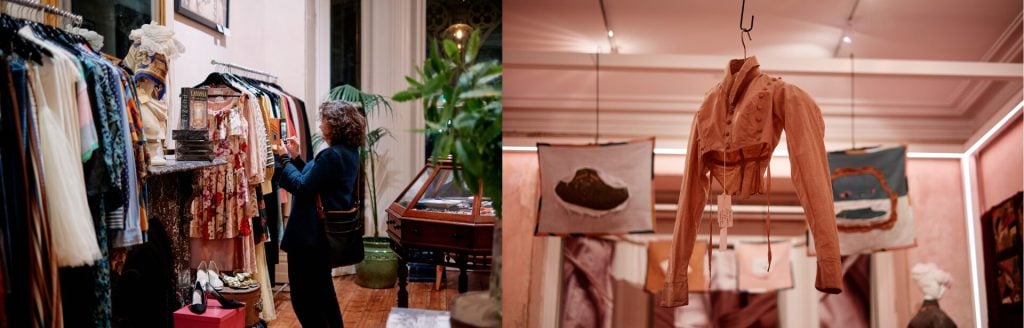
Rag pulp emerged as a foundational material in this exhibition, a leitmotif running through many of the designers’ explorations. Its presence connects the industrial history of paper production in Victoria to contemporary making practice.
Many of the exhibiting artists have drawn on the material possibilities of recycled textiles, exploring how fabric waste can be transformed into entirely new surfaces, structures and objects.
The Story of the Fyansford Paper Mill and Button Hill
A significant historical influence on the exhibition is the Fyansford Paper Mill near Geelong.
At the mill, discarded rags were processed into paper. During the sorting process, buttons, clasps and other metal fastenings were removed before the textiles were pulped. Women and children often undertook the labour-intensive work of separating these materials.
Over time, thousands of buttons accumulated in a waste mound that became known as Button Hill.
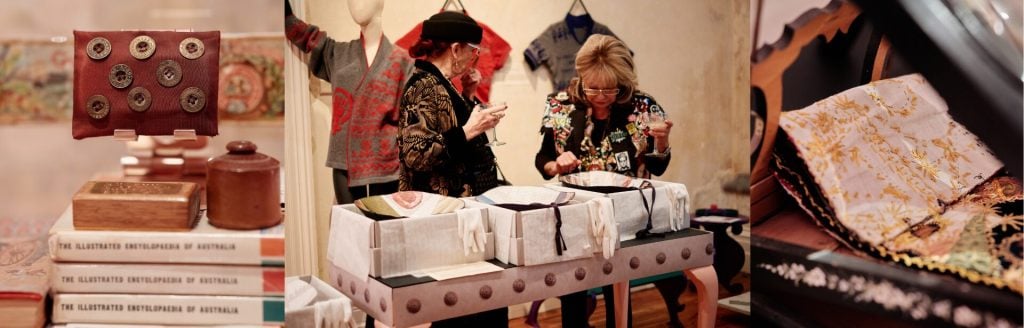
This local Victorian history provided a compelling starting point for the exhibition’s themes. Buttons recovered from the site in the early 1970s are displayed as precious artefacts, offering a tangible connection to past manufacturing processes and demonstrating how everyday objects can acquire new meaning over time.
Artists and Designers Featured in reFashion/transForm
- Jake Nakeshima-Edwards (DNJ Paper)
- Erin Lewis-Fitzgerald (mending artist)
- Polly Cadden and Laura Konrads (Future Remade furniture designers)
- Hyeonjeong Weon(textile designer)
- Leeyong Soo (sustainable style advocate)
- Mandy Nichols (designer)
- Denise Sprynskji and Peter Boyd (design studio S!X),
- Valerie T Miller (Designer)
- Tracey Lee Hayes (photographer)
- Richard Aitken (historian, artist and poeticist)
The exhibition also includes examples of expert mending kindly lent by the Moss family. These carefully repaired garments celebrate the often-overlooked skills of maintenance and care, highlighting the importance of extending the life of clothing through repair.
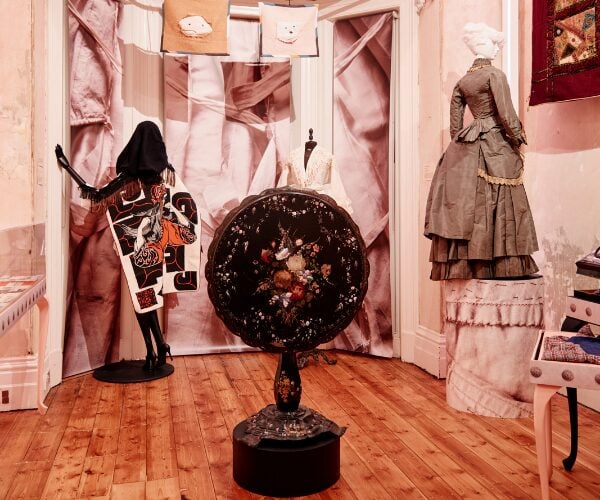
Visit reFashion/transForm at Tasma Gallery
reFashion/transForm, launched as part of Melbourne Design Week and currently exhibiting at Tasma Gallery, presents an inspiring exploration of sustainable fashion, textile reuse and contemporary design. By bringing together historical objects, innovative materials and creative responses to garment waste, the exhibition challenges visitors to rethink what we throw away and imagine new futures for the materials already in circulation.
Whether you are interested in fashion sustainability, contemporary art, textile recycling or design innovation, reFashion/transForm offers a thought-provoking look at how waste can be transformed into possibility.
 Facebook
 Linkedin
 Email
Email